
Top Stories
US and Iran Engage in Indirect Nuclear Talks in Oman

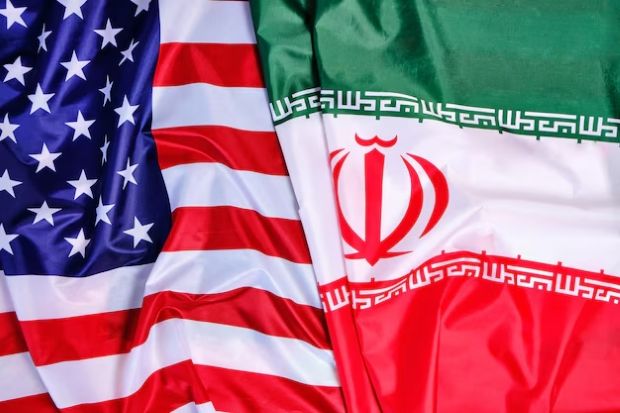
On March 15, 2024, the United States and Iran participated in their first indirect talks in months regarding Tehran’s nuclear programme. The discussions took place in Muscat, Oman, and were characterized by Iranian Foreign Minister Abbas Araghchi as a “very good start.” Despite the delegations meeting separately with Omani mediator Badr al-Busaidi at a palace outside the capital, the atmosphere allowed for the exploration of future negotiations.
These discussions mark a return to initial dialogues about Iran’s nuclear ambitions, which had stalled prior to Israel’s military actions against Iran in June 2023. The presence of US Navy Admiral Brad Cooper, the head of the American military’s Central Command, at the meeting is notable, as it was not reported in earlier discussions. His attendance may suggest that the United States is maintaining a firm stance, indicating potential military action if diplomatic efforts do not progress.
Focus on Future Negotiations
During a live interview from Muscat on Iranian state television, Araghchi expressed cautious optimism regarding the talks. He noted that the discussions were conducted in multiple rounds and primarily aimed at establishing a framework for future negotiations. “We will hold consultations with our capitals regarding the next steps, and the results will be conveyed to the Oman foreign minister,” Araghchi stated.
He also highlighted a significant challenge that has arisen from a growing mistrust between the two nations. “The mistrust that has developed is a serious challenge facing the negotiations. We must first address this issue, and then enter into the next level of negotiations,” he added. This acknowledgment of mistrust underscores the complexity of the diplomatic engagement.
The indirect talks in Oman, hosted by a neutral third party, reflect a strategic effort to de-escalate tensions and reopen channels of communication. As both sides navigate the intricate landscape of international relations, they face the task of rebuilding trust while addressing pressing concerns about nuclear proliferation.
Implications for Regional Stability
The outcome of these talks could have significant implications for regional stability in the Middle East. The ongoing conflict and historical tensions between Iran and the United States have far-reaching consequences, not only for the nations involved but also for their allies and adversaries in the region.
As the discussions unfold, the international community will be closely monitoring the developments. Diplomatic efforts aimed at curbing Iran’s nuclear programme are critical to maintaining peace and security in a region fraught with geopolitical complexities.
The negotiations in Oman represent a cautious step forward, but the path ahead remains fraught with challenges. The commitment of both parties to engage in meaningful dialogue will determine the future trajectory of their relationship and the broader implications for global security.

Albert Camus’ Insightful Quote on Human Identity Resurfaces

Drone Strikes and Missile Attacks Disrupt UAE Amid Rising Tensions

Japanese Yen Rises Sharply Against US Dollar Ahead of Key Decisions

Priyanka Chopra and Nick Jonas Avoid Near Miss en Route to Oscars

Gujarat Vaccinates Over 11 Lakh Infants in Major Health Drive

Alexandre Singh Wins Oscar, Celebrates Immigrant Heritage

Lok Sabha Speaker Issues Warning Over Placards in Parliament

Global Electrosurgical Devices Market Expands to $10.2 Billion by 2034

North Zone Dominates Cricket; SJAM-1 Shines in Table Tennis

SBI Announces QIP Floor Price at ₹811.05 Per Share

Cept Unveils ₹3.1 Crore Urban Mobility Plan for Sustainable Growth

New Blood Group Discovered in South Indian Woman at Rotary Centre

Konkani Cultural Organisation to Host Pearl Jubilee in Abu Dhabi

Torrential Rains Cause Flash Flooding in New York and New Jersey

Nothing Headphone 1 Review: A Bold Contender in Audio Design

Indian Stock Market Rebounds: Sensex and Nifty Rise After Four-Day Decline

Air India Crash Investigation Highlights Boeing Fuel Switch Concerns

Broad Advocates for Bowling Change Ahead of Final Test Against India
-
 World9 months ago
SBI Announces QIP Floor Price at ₹811.05 Per Share
-
 Lifestyle9 months ago
Cept Unveils ₹3.1 Crore Urban Mobility Plan for Sustainable Growth
-
 Science8 months ago
New Blood Group Discovered in South Indian Woman at Rotary Centre
-
 Top Stories9 months ago
Konkani Cultural Organisation to Host Pearl Jubilee in Abu Dhabi
-
 World9 months ago
Torrential Rains Cause Flash Flooding in New York and New Jersey
-
 Science9 months ago
Nothing Headphone 1 Review: A Bold Contender in Audio Design
-
 Business9 months ago
Indian Stock Market Rebounds: Sensex and Nifty Rise After Four-Day Decline
-
 Top Stories9 months ago
Air India Crash Investigation Highlights Boeing Fuel Switch Concerns
-
 Sports8 months ago
Broad Advocates for Bowling Change Ahead of Final Test Against India
-

 Sports8 months ago
Cristian Totti Retires at 19: Pressure of Fame Takes Toll
-

 Politics9 months ago
Abandoned Doberman Finds New Home After Journey to Prague
-

 Top Stories9 months ago
Patna Bank Manager Abhishek Varun Found Dead in Well