
Top Stories
India Safeguards Agriculture in New Trade Deal with the US

India has successfully negotiated a trade deal with the United States, ensuring the protection of its agricultural and dairy sectors while enhancing market access for Indian goods. Announced by US President Donald Trump this week, the agreement allows for lower tariffs on certain Indian products, but safeguards critical areas that are vital for Indian farmers and the rural economy.
Commerce Minister Piyush Goyal emphasized that the deal has fully protected “core sensitivities in food and agriculture.” He stated that this pact will not only boost the export competitiveness of Indian products but also create opportunities for micro, small, and medium enterprises (MSMEs), entrepreneurs, and skilled workers across the country.
The recent trade agreement is particularly significant given the context of tariffs, which are taxes imposed on imported goods. These tariffs can raise the prices of foreign products, which affects competition in the domestic market. For instance, while the US maintains substantial tariffs on certain imports, such as a 350 percent duty on tobacco, India has structured its tariffs to range from zero to 150 percent, depending on the product.
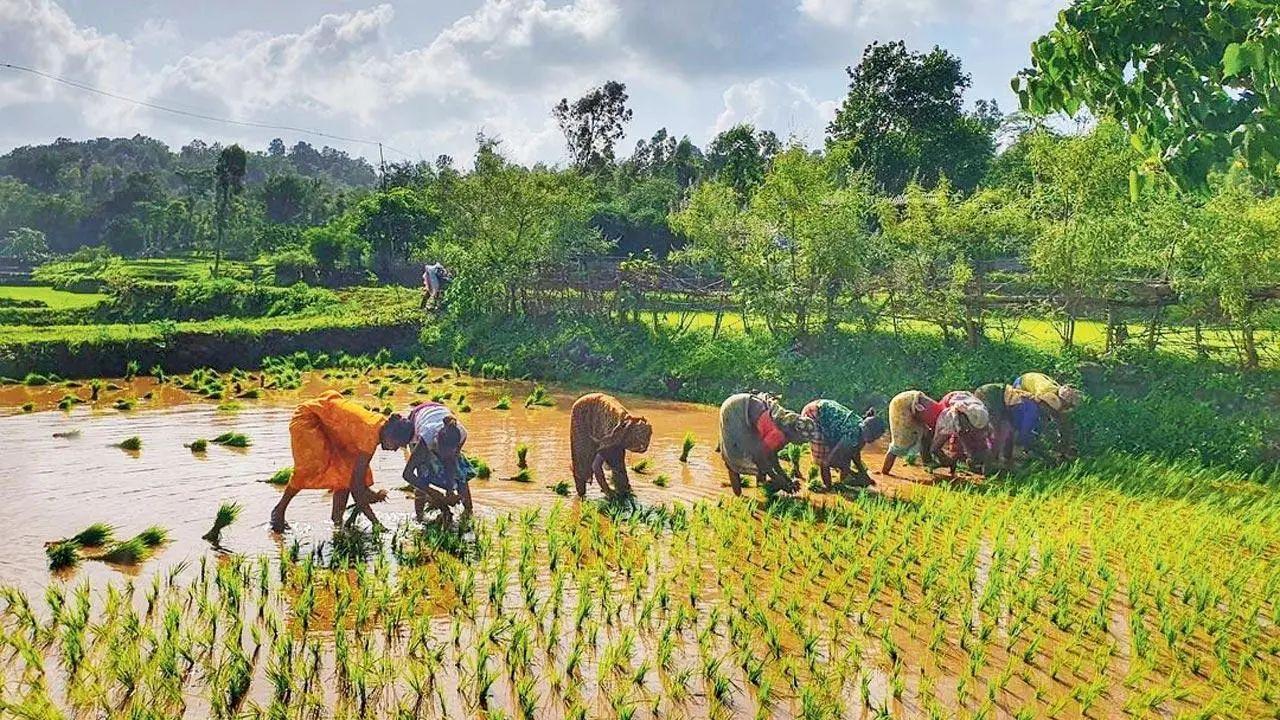
Agriculture plays a crucial role in India, providing livelihood for over 700 million people. Unlike in many developed nations where farming is heavily mechanized, Indian agriculture remains primarily based on subsistence and small-scale operations. As a result, allowing unrestricted imports from countries with subsidized farming could pose serious risks to Indian farmers, threatening their incomes and food security.
Trade experts highlight that the global food market is largely dominated by a handful of multinational corporations. Approximately 90 percent of global food trade is controlled by five major companies that utilize predatory pricing strategies. If India were to reduce its protective measures significantly, domestic farmers could face significant challenges, leading to long-term market instability and rural unemployment.
For developed nations like the US, agriculture is a significant export industry. In 2024, US agricultural exports reached USD 176 billion, accounting for about 10 percent of total merchandise exports. With the US exporting USD 1.6 billion worth of agricultural goods to India, including almonds, pistachios, and apples, the US sees India as a promising market for expansion.
India aims to maintain a balance between protecting its farmers and expanding agricultural exports. The country has set a target to achieve USD 100 billion in combined exports of agriculture, marine products, and food and beverages within the next four years. In FY25, agricultural exports rose to over USD 51 billion, up from USD 45.7 billion in the previous fiscal year.
Non-tariff barriers also pose challenges for market access. According to analysts, the US has stringent sanitary and phytosanitary (SPS) regulations that can effectively act as hidden barriers for developing countries like India, complicating compliance even when tariff rates are lowered.
The trade deal signifies a shift, as President Trump announced a reduction of reciprocal tariffs on Indian goods from 25 percent to 18 percent. This change aims to enhance the competitiveness of Indian exports in the US market while ensuring that sensitive sectors, such as agriculture and dairy, remain protected.
Ultimately, this trade agreement represents a crucial step in balancing export growth with rural stability. For India, agriculture is not merely an economic sector; it is a crucial part of its socio-economic fabric. By safeguarding agriculture, the Indian government aims to pursue global integration without compromising the livelihoods of millions who depend on farming for their survival.

Albert Camus’ Insightful Quote on Human Identity Resurfaces

Drone Strikes and Missile Attacks Disrupt UAE Amid Rising Tensions

Japanese Yen Rises Sharply Against US Dollar Ahead of Key Decisions

Priyanka Chopra and Nick Jonas Avoid Near Miss en Route to Oscars

Gujarat Vaccinates Over 11 Lakh Infants in Major Health Drive

Alexandre Singh Wins Oscar, Celebrates Immigrant Heritage

Lok Sabha Speaker Issues Warning Over Placards in Parliament

Global Electrosurgical Devices Market Expands to $10.2 Billion by 2034

North Zone Dominates Cricket; SJAM-1 Shines in Table Tennis

SBI Announces QIP Floor Price at ₹811.05 Per Share

Cept Unveils ₹3.1 Crore Urban Mobility Plan for Sustainable Growth

Comparing Subscription Prices: Spotify, Apple Music, and YouTube Music in India

New Blood Group Discovered in South Indian Woman at Rotary Centre

Konkani Cultural Organisation to Host Pearl Jubilee in Abu Dhabi

Torrential Rains Cause Flash Flooding in New York and New Jersey

Nothing Headphone 1 Review: A Bold Contender in Audio Design

Broad Advocates for Bowling Change Ahead of Final Test Against India

Air India Crash Investigation Highlights Boeing Fuel Switch Concerns
-
 World1 year ago
SBI Announces QIP Floor Price at ₹811.05 Per Share
-
 Lifestyle1 year ago
Cept Unveils ₹3.1 Crore Urban Mobility Plan for Sustainable Growth
-
 Science12 months ago
Comparing Subscription Prices: Spotify, Apple Music, and YouTube Music in India
-
 Science1 year ago
New Blood Group Discovered in South Indian Woman at Rotary Centre
-
 Top Stories1 year ago
Konkani Cultural Organisation to Host Pearl Jubilee in Abu Dhabi
-
 World1 year ago
Torrential Rains Cause Flash Flooding in New York and New Jersey
-
 Science1 year ago
Nothing Headphone 1 Review: A Bold Contender in Audio Design
-
 Sports1 year ago
Broad Advocates for Bowling Change Ahead of Final Test Against India
-
 Top Stories1 year ago
Air India Crash Investigation Highlights Boeing Fuel Switch Concerns
-

 Business1 year ago
Indian Stock Market Rebounds: Sensex and Nifty Rise After Four-Day Decline
-

 Sports1 year ago
Cristian Totti Retires at 19: Pressure of Fame Takes Toll
-

 Politics1 year ago
Abandoned Doberman Finds New Home After Journey to Prague