
Sports
Aleem Dar Resigns from Pakistan Selection Committee After World Cup Exit

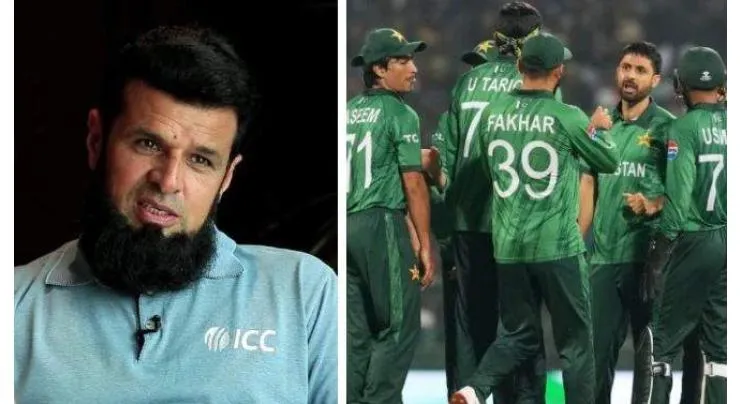
Aleem Dar, a prominent member of the Pakistan cricket selection committee, has formally resigned from his role within the Pakistan Cricket Board (PCB) following the national team’s disappointing performance at the ICC Men’s T20 World Cup 2026. His resignation arises from growing frustrations regarding the significant influence of head coach Mike Hesson on selection matters and a perceived lack of support from fellow selector Aaqib Javed.
Selection Disputes and Internal Frustrations
Dar, an experienced former ICC umpire, joined the selection panel in October 2024. His tenure has been marked by increasing dissatisfaction over internal disputes concerning player selections. Tensions escalated particularly around key players like Babar Azam, Shadab Khan, and Usman Khan, who have come under scrutiny due to their recent performances. Dar expressed concerns that Hesson’s dominance in the selection process adversely affected the team’s overall effectiveness.
The Pakistan team’s failure to advance to the semi-finals in the World Cup has been a catalyst for this administrative shift. Following the team’s exit, the PCB is now reevaluating the structure and leadership of the selection committee.
Changes Within the Selection Committee
With Dar’s departure, the selection committee is now comprised of Aaqib Javed and Asad Shafiq, alongside data analyst Usman Hashmi. The PCB’s leadership is currently considering the future direction of the committee in light of these recent developments.
In conjunction with the changes in the selection panel, the PCB has taken disciplinary action against the national team. Each player will incur a financial penalty of PKR 5 million, approximately equivalent to Rs 16 lakh. This decision, led by PCB Chairman Mohsin Naqvi, aims to enforce stricter accountability following a series of underwhelming performances on the international stage.
The Pakistan national team faced significant challenges during their World Cup campaign, managing only two wins out of four group stage matches. A notable defeat to India in Colombo raised eyebrows among PCB officials. Despite a crucial victory over Namibia, the team struggled to maintain momentum, ultimately finishing outside the semi-final positions.
After narrowly progressing to the Super 8 stage, Pakistan lost two out of three matches, with setbacks against both New Zealand and England. This disappointing outcome marked a low point in the team’s World Cup journey and has prompted a reevaluation of strategies moving forward.
As the PCB navigates these transitions, the focus will remain on enhancing team performance and ensuring that future selections align more closely with both player potential and team needs.

Albert Camus’ Insightful Quote on Human Identity Resurfaces

Drone Strikes and Missile Attacks Disrupt UAE Amid Rising Tensions

Japanese Yen Rises Sharply Against US Dollar Ahead of Key Decisions

Priyanka Chopra and Nick Jonas Avoid Near Miss en Route to Oscars

Gujarat Vaccinates Over 11 Lakh Infants in Major Health Drive

Alexandre Singh Wins Oscar, Celebrates Immigrant Heritage

Lok Sabha Speaker Issues Warning Over Placards in Parliament

Global Electrosurgical Devices Market Expands to $10.2 Billion by 2034

North Zone Dominates Cricket; SJAM-1 Shines in Table Tennis

SBI Announces QIP Floor Price at ₹811.05 Per Share

Cept Unveils ₹3.1 Crore Urban Mobility Plan for Sustainable Growth

New Blood Group Discovered in South Indian Woman at Rotary Centre

Konkani Cultural Organisation to Host Pearl Jubilee in Abu Dhabi

Torrential Rains Cause Flash Flooding in New York and New Jersey

Nothing Headphone 1 Review: A Bold Contender in Audio Design

Air India Crash Investigation Highlights Boeing Fuel Switch Concerns

Indian Stock Market Rebounds: Sensex and Nifty Rise After Four-Day Decline

Broad Advocates for Bowling Change Ahead of Final Test Against India
-
 World1 year ago
SBI Announces QIP Floor Price at ₹811.05 Per Share
-
 Lifestyle1 year ago
Cept Unveils ₹3.1 Crore Urban Mobility Plan for Sustainable Growth
-
 Science12 months ago
New Blood Group Discovered in South Indian Woman at Rotary Centre
-
 Top Stories1 year ago
Konkani Cultural Organisation to Host Pearl Jubilee in Abu Dhabi
-
 World1 year ago
Torrential Rains Cause Flash Flooding in New York and New Jersey
-
 Science1 year ago
Nothing Headphone 1 Review: A Bold Contender in Audio Design
-
 Top Stories1 year ago
Air India Crash Investigation Highlights Boeing Fuel Switch Concerns
-
 Business1 year ago
Indian Stock Market Rebounds: Sensex and Nifty Rise After Four-Day Decline
-
 Sports12 months ago
Broad Advocates for Bowling Change Ahead of Final Test Against India
-

 Sports12 months ago
Cristian Totti Retires at 19: Pressure of Fame Takes Toll
-

 Politics12 months ago
Abandoned Doberman Finds New Home After Journey to Prague
-

 Lifestyle1 year ago
Villagers Unite to Raise ₹45 Lakh for Water Solutions in Vadgam