
Science
US Researchers 3D-Print Gourmet Meal Using Laser Technology

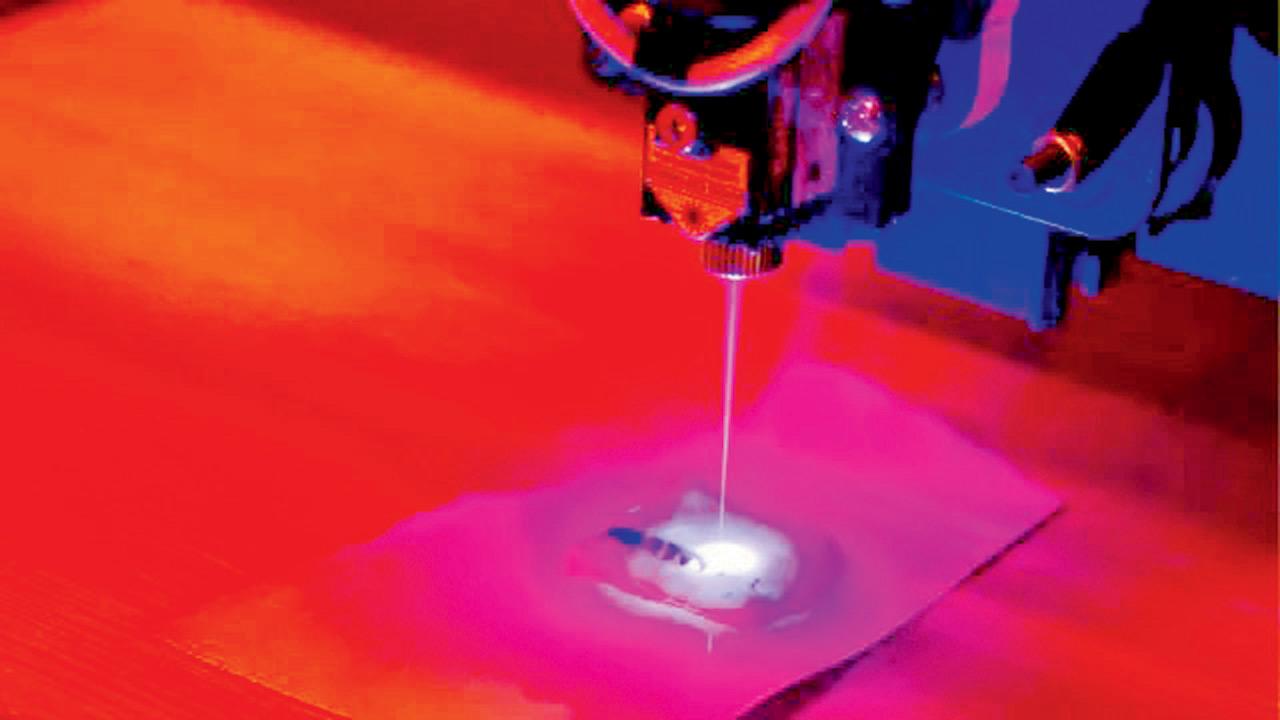
A team of researchers in the United States has made significant strides in food technology by successfully 3D-printing a complete three-course meal composed of 14 different ingredients. This breakthrough was achieved using a method known as multi-wavelength laser cooking, which allows for the precise control of food texture during the printing process.
The innovative technique employs multiple laser wavelengths to manipulate the texture of the food material. This capability addresses a longstanding challenge in 3D-printed cuisine: replicating the complex textures that traditional cooking methods produce. By selectively cooking the printed food as it is being created, the researchers have opened the door to more refined culinary experiences, potentially paving the way for personalized meal options tailored to individual preferences.
Advancements in 3D-Printed Cuisine
3D-printed food technology has evolved rapidly over the past few years. However, one of the key hurdles has been the difficulty in achieving the desired structural integrity and texture that consumers expect from conventional meals. Most current methods rely on pastes, powders, or gels, which often fall short in providing the mouthfeel and appearance that many food products require for acceptance in the market.
Texture plays a crucial role in consumer acceptance; it often influences whether a new food product is embraced or rejected. The recent study demonstrates that laser cooking can create textures that closely mimic those of traditionally prepared dishes, enhancing the overall dining experience.
The research team’s findings represent a pivotal moment in the realm of food technology. As they continue to refine this multi-wavelength texturization technique, the potential for creating a wide variety of culinary delights becomes increasingly feasible.
Future Implications
The implications of this technology extend beyond simply creating visually appealing dishes. As the researchers explore the possibilities of personalized meals, they envision a future where individuals can have meals tailored to their dietary needs and preferences, all produced by 3D printers in real-time.
This advancement not only showcases the potential of 3D printing in the culinary world but also highlights the ongoing intersection of technology and food science. As consumer demands evolve, innovations like multi-wavelength laser cooking could redefine how meals are prepared, cooked, and enjoyed.
In conclusion, the ability to 3D-print a full meal using sophisticated laser techniques marks a notable advancement in food technology. As researchers continue to explore the capabilities of this method, the future of dining may become as customizable as it is convenient.

Albert Camus’ Insightful Quote on Human Identity Resurfaces

Drone Strikes and Missile Attacks Disrupt UAE Amid Rising Tensions

Japanese Yen Rises Sharply Against US Dollar Ahead of Key Decisions

Priyanka Chopra and Nick Jonas Avoid Near Miss en Route to Oscars

Gujarat Vaccinates Over 11 Lakh Infants in Major Health Drive

Alexandre Singh Wins Oscar, Celebrates Immigrant Heritage

Lok Sabha Speaker Issues Warning Over Placards in Parliament

Global Electrosurgical Devices Market Expands to $10.2 Billion by 2034

North Zone Dominates Cricket; SJAM-1 Shines in Table Tennis

SBI Announces QIP Floor Price at ₹811.05 Per Share

Cept Unveils ₹3.1 Crore Urban Mobility Plan for Sustainable Growth

Comparing Subscription Prices: Spotify, Apple Music, and YouTube Music in India

New Blood Group Discovered in South Indian Woman at Rotary Centre

Konkani Cultural Organisation to Host Pearl Jubilee in Abu Dhabi

Torrential Rains Cause Flash Flooding in New York and New Jersey

Nothing Headphone 1 Review: A Bold Contender in Audio Design

Air India Crash Investigation Highlights Boeing Fuel Switch Concerns

Broad Advocates for Bowling Change Ahead of Final Test Against India
-
 World1 year ago
SBI Announces QIP Floor Price at ₹811.05 Per Share
-
 Lifestyle1 year ago
Cept Unveils ₹3.1 Crore Urban Mobility Plan for Sustainable Growth
-
 Science1 year ago
Comparing Subscription Prices: Spotify, Apple Music, and YouTube Music in India
-
 Science1 year ago
New Blood Group Discovered in South Indian Woman at Rotary Centre
-
 Top Stories1 year ago
Konkani Cultural Organisation to Host Pearl Jubilee in Abu Dhabi
-
 World1 year ago
Torrential Rains Cause Flash Flooding in New York and New Jersey
-
 Science1 year ago
Nothing Headphone 1 Review: A Bold Contender in Audio Design
-
 Top Stories1 year ago
Air India Crash Investigation Highlights Boeing Fuel Switch Concerns
-
 Sports1 year ago
Broad Advocates for Bowling Change Ahead of Final Test Against India
-

 Business1 year ago
Indian Stock Market Rebounds: Sensex and Nifty Rise After Four-Day Decline
-

 Sports1 year ago
Cristian Totti Retires at 19: Pressure of Fame Takes Toll
-

 Politics1 year ago
Abandoned Doberman Finds New Home After Journey to Prague