
Science
Tamil Nadu Government Partners with IIT-M to Study Microplastics

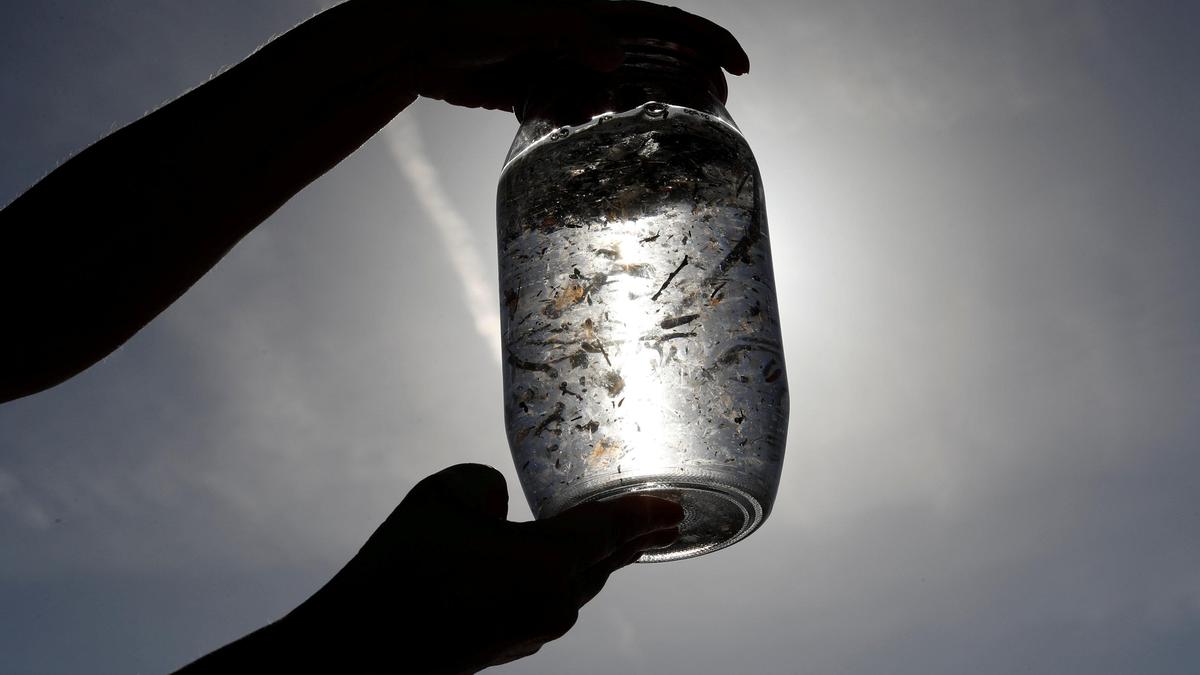
The Tamil Nadu government has enlisted the support of the Indian Institute of Technology – Madras (IIT-M) to investigate the potential health risks posed by microplastics in food products. This decision follows a directive from the Madras High Court, which prompted the government to conduct thorough research into the harmful effects of microplastics, particularly those found in items such as milk, coffee, tea, and hot sambar packaged in plastic pouches.
During a recent hearing, a special Division Bench of the Madras High Court, comprising Justices N. Sathish Kumar and D. Bharatha Chakravarthy, was informed that Health Secretary P. Senthilkumar had formally requested IIT-M’s assistance. On January 22, 2026, Senthilkumar communicated the need for this study in a letter to Additional Advocate General J. Ravindran, emphasizing the court’s insistence on a detailed investigation into the health impacts of microplastics.
Research Findings Raise Alarm
The court’s inquiry was partly triggered by an interim report from the PSG Institute of Medical Sciences and Research in Coimbatore. This report highlighted significant concerns regarding microplastics, which are tiny plastic particles that can contain various harmful substances, including Bisphenol A (BPA). BPA is known to disrupt endocrine functions and its presence in the environment raises alarms over potential health implications.
The PSG Institute’s research specifically aimed to assess the levels of BPA in cord blood, using it as a biomarker for epidemiological studies on prenatal exposure. The study involved pregnant women who provided informed consent for sample collection. Upon analysis, results from ten cord blood samples indicated BPA concentrations ranging from 0.43 to 1.1578 μg/kg of body weight, with an average concentration of 0.7194 μg/kg. Notably, these values exceed the recommended tolerable daily intake (TDI) of 0.2 ng/kg bw/day.
Judicial Response and Future Actions
The findings presented during the court session shocked the judges. They remarked, “If plastics can pollute even the placenta of a mother, then the authorities concerned must look into the issue with the seriousness it deserves.” In light of these revelations, the judges took decisive action by including the Union Health and Family Welfare Ministry and the State health department as respondents in the ongoing environmental cases. They instructed both entities to conduct their own investigations into the health impacts of microplastics before making any policy decisions related to the matter.
This collaboration between the Tamil Nadu government and IIT-M marks a significant step in addressing the growing concerns over microplastic contamination in food products. The outcome of this research may have profound implications for public health and regulatory policies surrounding food safety in India.

Albert Camus’ Insightful Quote on Human Identity Resurfaces

Drone Strikes and Missile Attacks Disrupt UAE Amid Rising Tensions

Japanese Yen Rises Sharply Against US Dollar Ahead of Key Decisions

Priyanka Chopra and Nick Jonas Avoid Near Miss en Route to Oscars

Gujarat Vaccinates Over 11 Lakh Infants in Major Health Drive

Alexandre Singh Wins Oscar, Celebrates Immigrant Heritage

Lok Sabha Speaker Issues Warning Over Placards in Parliament

Global Electrosurgical Devices Market Expands to $10.2 Billion by 2034

North Zone Dominates Cricket; SJAM-1 Shines in Table Tennis

SBI Announces QIP Floor Price at ₹811.05 Per Share

Cept Unveils ₹3.1 Crore Urban Mobility Plan for Sustainable Growth

Comparing Subscription Prices: Spotify, Apple Music, and YouTube Music in India

New Blood Group Discovered in South Indian Woman at Rotary Centre

Konkani Cultural Organisation to Host Pearl Jubilee in Abu Dhabi

Torrential Rains Cause Flash Flooding in New York and New Jersey

Nothing Headphone 1 Review: A Bold Contender in Audio Design

Air India Crash Investigation Highlights Boeing Fuel Switch Concerns

Indian Stock Market Rebounds: Sensex and Nifty Rise After Four-Day Decline
-
 World1 year ago
SBI Announces QIP Floor Price at ₹811.05 Per Share
-
 Lifestyle1 year ago
Cept Unveils ₹3.1 Crore Urban Mobility Plan for Sustainable Growth
-
 Science12 months ago
Comparing Subscription Prices: Spotify, Apple Music, and YouTube Music in India
-
 Science12 months ago
New Blood Group Discovered in South Indian Woman at Rotary Centre
-
 Top Stories1 year ago
Konkani Cultural Organisation to Host Pearl Jubilee in Abu Dhabi
-
 World1 year ago
Torrential Rains Cause Flash Flooding in New York and New Jersey
-
 Science1 year ago
Nothing Headphone 1 Review: A Bold Contender in Audio Design
-
 Top Stories1 year ago
Air India Crash Investigation Highlights Boeing Fuel Switch Concerns
-
 Business1 year ago
Indian Stock Market Rebounds: Sensex and Nifty Rise After Four-Day Decline
-

 Sports12 months ago
Broad Advocates for Bowling Change Ahead of Final Test Against India
-

 Sports12 months ago
Cristian Totti Retires at 19: Pressure of Fame Takes Toll
-

 Politics1 year ago
Abandoned Doberman Finds New Home After Journey to Prague