
Science
Robotics Pioneer Critiques Industry’s Humanoid Aspirations

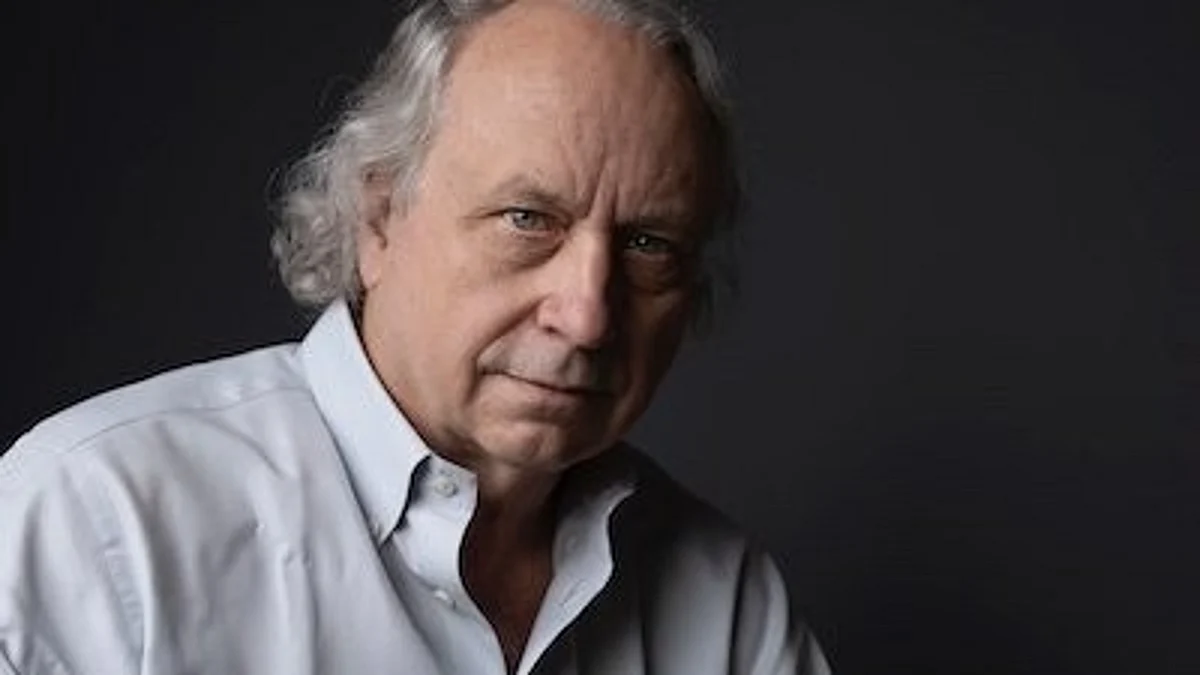
Renowned roboticist Rodney Brooks has raised alarm bells about the current direction of the robotics industry, particularly its focus on humanoid robots. Brooks, who co-created the widely recognized Roomba vacuum cleaner, recently expressed skepticism regarding the feasibility and safety of general-purpose humanoid robots, which many tech investors believe will revolutionize everyday life.
In the late 1980s, Brooks made significant strides in robotics by observing insects and recognizing that their biological simplicity allowed for greater functionality compared to early robots constrained by computing limitations. This insight led him to predict a future where robots would be ubiquitous in human environments. However, in a recent essay, Brooks argues that the current hype surrounding humanoid robots masks a deeper issue: the technology is not ready for mainstream adoption.
Brooks’ critique follows a wave of investment in robotics, with companies like Tesla and Figure AI pouring billions into developing humanoid robots for various applications. While Elon Musk has described Tesla’s robot, Optimus, as an “infinite money glitch” with potential productivity gains, Brooks contends that such aspirations are unrealistic in the near term. He predicts that, within the next 15 years, significant financial resources will be wasted on the development of humanoid robots that will ultimately prove ineffective.
Humanoid Robots and Industry Expectations
Brooks highlights a fundamental misunderstanding within the tech community regarding the capabilities of humanoid robots. He points out that while these robots may appear promising, their physical design leads to assumptions about functionality that are often unfounded. “People see the humanoid form,” Brooks notes, “and they think it’s going to be able to do everything a human can.”
The recent surge in interest in humanoid robots, often likened to the “holy grail” of robotics, has drawn attention from major players in the industry. Startups like Figure AI have already raised nearly $2 billion since 2022, focusing on developing robots for diverse tasks such as manufacturing and elder care. However, Brooks warns that previous attempts at creating versatile humanoid robots have failed due to the complexities of mimicking human movement and dexterity.
Despite impressive demonstrations of humanoid robots completing tasks like folding laundry or sorting items in factories, Brooks emphasizes the importance of safety. He expresses concern about the risks posed by humanoid robots losing balance or behaving unpredictably, making them potentially dangerous in domestic environments. Aaron Prather, director of robotics at ASTM International, asserts that clear safety guidelines are essential, particularly as humanoid robots transition from controlled environments to homes.
A Vision for the Future of Robotics
Brooks, who has been instrumental in shaping the robotics landscape, reflects on his journey from piloting early robotic concepts to the present-day landscape filled with ambitious humanoid projects. He acknowledges the progress made but remains cautious about over-reliance on the latest trends in training techniques. He believes that the focus should expand beyond humanoids to explore a broader range of robotics applications.
While researchers argue that advancements in tactile sensors and neural networks can bridge the dexterity gap, Brooks remains skeptical. He underscores the complexity of human touch and the difficulty of replicating it in robots. “My students have built lots of hands, my students have built lots of arms,” he states, “but humanoid robots are not going to have human-level manipulation.”
As Brooks prepares to step away from corporate life to focus on writing about the nature of intelligence, he expresses concern about the industry’s trajectory. He believes that the quest for artificial general intelligence will face significant challenges in the coming decades. “It’s been my whole life,” he reflects, “and what I hate now is the current fixation on artificial general intelligence.”
Brooks’ insights serve as a reminder of the complexities and limitations within the robotics field. As the industry continues to evolve, the balance between ambition and realism will be crucial in determining whether the dream of humanoid robots will become a reality or remain an elusive goal.

Albert Camus’ Insightful Quote on Human Identity Resurfaces

Drone Strikes and Missile Attacks Disrupt UAE Amid Rising Tensions

Japanese Yen Rises Sharply Against US Dollar Ahead of Key Decisions

Priyanka Chopra and Nick Jonas Avoid Near Miss en Route to Oscars

Gujarat Vaccinates Over 11 Lakh Infants in Major Health Drive

Alexandre Singh Wins Oscar, Celebrates Immigrant Heritage

Lok Sabha Speaker Issues Warning Over Placards in Parliament

Global Electrosurgical Devices Market Expands to $10.2 Billion by 2034

North Zone Dominates Cricket; SJAM-1 Shines in Table Tennis

SBI Announces QIP Floor Price at ₹811.05 Per Share

Cept Unveils ₹3.1 Crore Urban Mobility Plan for Sustainable Growth

Comparing Subscription Prices: Spotify, Apple Music, and YouTube Music in India

New Blood Group Discovered in South Indian Woman at Rotary Centre

Konkani Cultural Organisation to Host Pearl Jubilee in Abu Dhabi

Torrential Rains Cause Flash Flooding in New York and New Jersey

Nothing Headphone 1 Review: A Bold Contender in Audio Design

Air India Crash Investigation Highlights Boeing Fuel Switch Concerns

Broad Advocates for Bowling Change Ahead of Final Test Against India
-
 World1 year ago
SBI Announces QIP Floor Price at ₹811.05 Per Share
-
 Lifestyle1 year ago
Cept Unveils ₹3.1 Crore Urban Mobility Plan for Sustainable Growth
-
 Science1 year ago
Comparing Subscription Prices: Spotify, Apple Music, and YouTube Music in India
-
 Science1 year ago
New Blood Group Discovered in South Indian Woman at Rotary Centre
-
 Top Stories1 year ago
Konkani Cultural Organisation to Host Pearl Jubilee in Abu Dhabi
-
 World1 year ago
Torrential Rains Cause Flash Flooding in New York and New Jersey
-
 Science1 year ago
Nothing Headphone 1 Review: A Bold Contender in Audio Design
-
 Top Stories1 year ago
Air India Crash Investigation Highlights Boeing Fuel Switch Concerns
-
 Sports1 year ago
Broad Advocates for Bowling Change Ahead of Final Test Against India
-

 Business1 year ago
Indian Stock Market Rebounds: Sensex and Nifty Rise After Four-Day Decline
-

 Sports1 year ago
Cristian Totti Retires at 19: Pressure of Fame Takes Toll
-

 Politics1 year ago
Abandoned Doberman Finds New Home After Journey to Prague