
Science
Medical Colleges Risk Rejection for Admitting Fake Patients

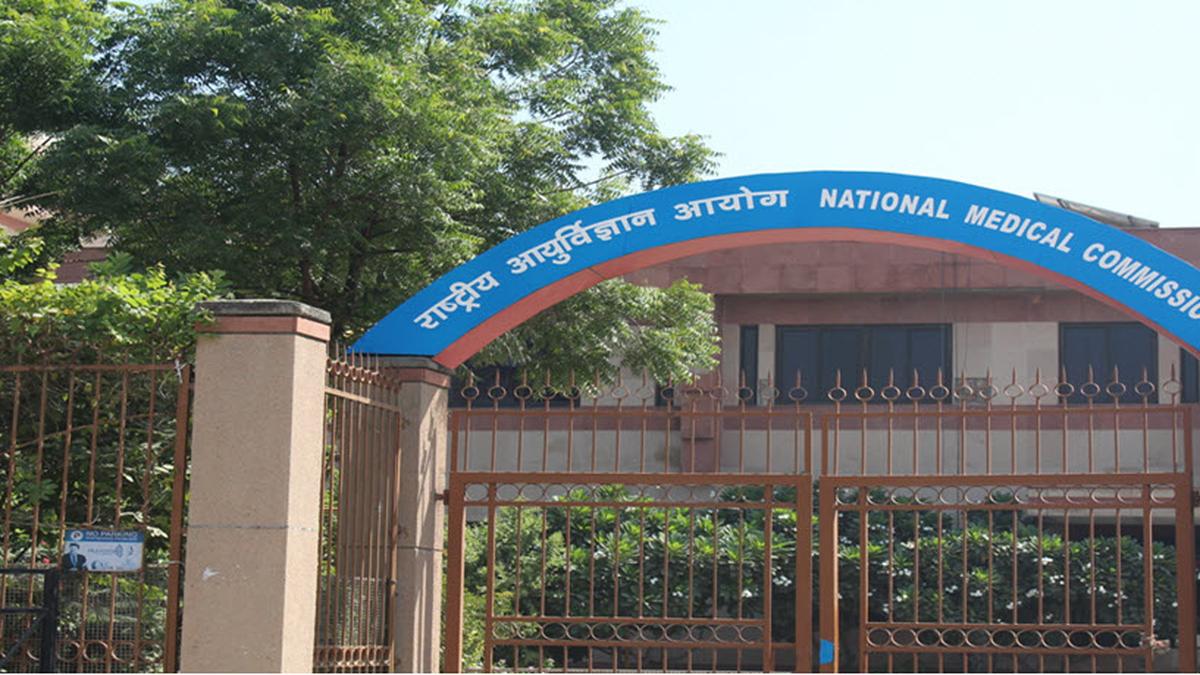
The National Medical Commission (NMC) has issued a stern warning that medical colleges admitting “fake patients” will face immediate rejection of applications for new postgraduate courses or additional seats. The directive highlights a growing issue where certain institutions are reportedly filling bed occupancy requirements with individuals who do not actually require medical treatment.
The NMC’s recent order emphasizes that the practice of admitting fake patients constitutes a serious violation of established medical standards. If detected during assessments, institutions could face significant penalties, including a ban on starting new courses or increasing student intake. The Medical Assessment and Rating Board (MARB) oversees the approval process for additional seats in medical colleges, ensuring compliance with stringent regulations.
Stringent Guidelines for Assessment
According to the NMC, adherence to the Postgraduate Medical Education Regulations and Undergraduate Minimum Standard Requirements is crucial. The approval process is time-sensitive, and applications must meet strict submission deadlines. Institutions found to have engaged in the practice of admitting fake patients may not only be barred from expanding their courses but could also jeopardize the renewal of existing undergraduate and postgraduate programs.
The NMC has outlined specific criteria to identify fake patients. This includes individuals admitted on the day of, or just prior to, an assessment, as well as patients with minor ailments that could be treated in outpatient settings. Those admitted without essential diagnostic tests—such as X-rays or blood reports—are also classified as fake. Additional indicators include multiple admissions from the same family or large numbers of patients coming from preventive health check-up camps.
In pediatric wards, children who are admitted without significant health issues are similarly categorized as fake patients. The NMC’s comprehensive assessment will evaluate various factors, such as faculty qualifications, infrastructure, clinical resources, and the overall quality of medical education offered by the institution. Assessments may occur through physical, virtual, or hybrid modes and can last from a single day to an extended period.
Impact on Medical Education Standards
The NMC’s efforts are aimed at maintaining high standards in medical education and ensuring the integrity of assessments. Assessors will interact with both staff and students during evaluations to better understand the educational environment. Institutions that provide both undergraduate and postgraduate training must meet the minimum requirements for undergraduate education as specified in the rules.
The NMC has made it clear that incomplete applications will face rejection. This thorough approach is designed to uphold the quality of medical education across the board, safeguarding the future of healthcare by ensuring that only qualified professionals are trained.
As the medical community grapples with the implications of the NMC’s directive, the focus remains on promoting transparency and accountability within medical colleges. By addressing the issue of fake patients, the NMC aims to enhance the credibility of medical education and protect the integrity of healthcare services.

Albert Camus’ Insightful Quote on Human Identity Resurfaces

Drone Strikes and Missile Attacks Disrupt UAE Amid Rising Tensions

Japanese Yen Rises Sharply Against US Dollar Ahead of Key Decisions

Priyanka Chopra and Nick Jonas Avoid Near Miss en Route to Oscars

Gujarat Vaccinates Over 11 Lakh Infants in Major Health Drive

Alexandre Singh Wins Oscar, Celebrates Immigrant Heritage

Lok Sabha Speaker Issues Warning Over Placards in Parliament

Global Electrosurgical Devices Market Expands to $10.2 Billion by 2034

North Zone Dominates Cricket; SJAM-1 Shines in Table Tennis

SBI Announces QIP Floor Price at ₹811.05 Per Share

Cept Unveils ₹3.1 Crore Urban Mobility Plan for Sustainable Growth

Comparing Subscription Prices: Spotify, Apple Music, and YouTube Music in India

New Blood Group Discovered in South Indian Woman at Rotary Centre

Konkani Cultural Organisation to Host Pearl Jubilee in Abu Dhabi

Torrential Rains Cause Flash Flooding in New York and New Jersey

Nothing Headphone 1 Review: A Bold Contender in Audio Design

Air India Crash Investigation Highlights Boeing Fuel Switch Concerns

Broad Advocates for Bowling Change Ahead of Final Test Against India
-
 World1 year ago
SBI Announces QIP Floor Price at ₹811.05 Per Share
-
 Lifestyle1 year ago
Cept Unveils ₹3.1 Crore Urban Mobility Plan for Sustainable Growth
-
 Science1 year ago
Comparing Subscription Prices: Spotify, Apple Music, and YouTube Music in India
-
 Science1 year ago
New Blood Group Discovered in South Indian Woman at Rotary Centre
-
 Top Stories1 year ago
Konkani Cultural Organisation to Host Pearl Jubilee in Abu Dhabi
-
 World1 year ago
Torrential Rains Cause Flash Flooding in New York and New Jersey
-
 Science1 year ago
Nothing Headphone 1 Review: A Bold Contender in Audio Design
-
 Top Stories1 year ago
Air India Crash Investigation Highlights Boeing Fuel Switch Concerns
-
 Sports1 year ago
Broad Advocates for Bowling Change Ahead of Final Test Against India
-

 Business1 year ago
Indian Stock Market Rebounds: Sensex and Nifty Rise After Four-Day Decline
-

 Sports1 year ago
Cristian Totti Retires at 19: Pressure of Fame Takes Toll
-

 Politics1 year ago
Abandoned Doberman Finds New Home After Journey to Prague