
Science
Give the Gift of Reading: 5 Reasons to Share Books with Kids

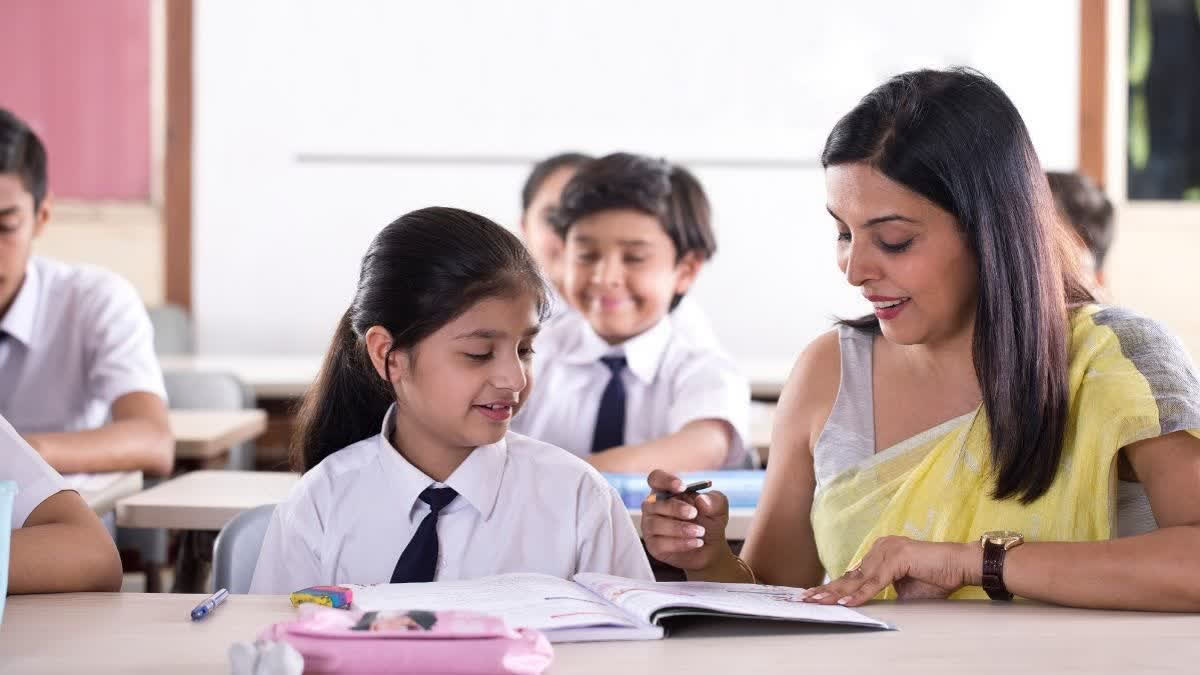
On March 14, 2026, the world will celebrate International Book Giving Day, a grassroots initiative that encourages people to gift books to children. Launched in 2012 by American blogger Amy Broadmoore and her son, the movement aims to ensure that every child has access to the joys of reading. The impact of this simple act is profound, as scientific research underscores the long-term benefits of providing books to young readers.
Transforming Lives Through Literature
Research highlights that children’s access to books can dramatically influence their educational success. A comprehensive study conducted by the World Bank found that the number of books in a child’s home is a strong predictor of educational achievement. This insight remains significant even when accounting for factors such as family income and parents’ education levels. The study revealed that children raised in homes with approximately 500 books tend to stay in school for over three years longer than those with minimal access to books.
Furthermore, a 27-country analysis using the Programme for the International Assessment of Adult Competencies (PIAAC) found that growing up around as few as 20 books considerably enhances adult literacy, numeracy, and even technology skills. This modest collection has a substantial impact on a child’s future, with benefits continuing to increase as home libraries expand to around 350 books.
The Cognitive and Health Benefits of Reading
The act of reading to children also has significant neurological implications. Research conducted at Cincinnati Children’s Hospital demonstrated that preschoolers who are frequently read to exhibit stronger activation in brain regions associated with narrative comprehension and meaning construction. This suggests that each reading session, even if it is a beloved tale read numerous times, is crucial in wiring a child’s brain for future learning opportunities.
In addition to cognitive development, reading has been linked to improved health outcomes. A study from Yale University involving more than 3,600 adults aged over 50 found that those who read books for at least 30 minutes daily lived nearly two years longer than non-readers. This indicates that the benefits of reading extend beyond education, serving as a form of mental exercise that can enhance longevity.
Moreover, a randomized trial in India by researchers collaborating with Pratham Books and the International Initiative for Impact Evaluation demonstrated the effects of book access on literacy. By distributing high-quality, low-cost storybooks to first-grade classrooms without any additional teaching support, they observed significant improvements in reading scores. The mere presence of books substantially influenced academic outcomes.
International Book Giving Day exemplifies the power of small, meaningful actions. It does not require grand gestures or celebrity endorsements; rather, it thrives on the belief that stories matter. Volunteers around the globe participate in this initiative, reinforcing the idea that providing children with books is a gift that can shape their futures.
As the celebration approaches, consider how you can contribute to this movement. By gifting a book, you are not merely providing a story; you are planting seeds for educational achievement, cognitive development, and potentially even longer lives. In a world where access to resources is not equally distributed, the act of giving a book can have immeasurable impacts on a child’s life trajectory.

Albert Camus’ Insightful Quote on Human Identity Resurfaces

Drone Strikes and Missile Attacks Disrupt UAE Amid Rising Tensions

Japanese Yen Rises Sharply Against US Dollar Ahead of Key Decisions

Priyanka Chopra and Nick Jonas Avoid Near Miss en Route to Oscars

Gujarat Vaccinates Over 11 Lakh Infants in Major Health Drive

Alexandre Singh Wins Oscar, Celebrates Immigrant Heritage

Lok Sabha Speaker Issues Warning Over Placards in Parliament

Global Electrosurgical Devices Market Expands to $10.2 Billion by 2034

North Zone Dominates Cricket; SJAM-1 Shines in Table Tennis

SBI Announces QIP Floor Price at ₹811.05 Per Share

Cept Unveils ₹3.1 Crore Urban Mobility Plan for Sustainable Growth

New Blood Group Discovered in South Indian Woman at Rotary Centre

Konkani Cultural Organisation to Host Pearl Jubilee in Abu Dhabi

Torrential Rains Cause Flash Flooding in New York and New Jersey

Nothing Headphone 1 Review: A Bold Contender in Audio Design

Air India Crash Investigation Highlights Boeing Fuel Switch Concerns

Indian Stock Market Rebounds: Sensex and Nifty Rise After Four-Day Decline

Broad Advocates for Bowling Change Ahead of Final Test Against India
-
 World1 year ago
SBI Announces QIP Floor Price at ₹811.05 Per Share
-
 Lifestyle1 year ago
Cept Unveils ₹3.1 Crore Urban Mobility Plan for Sustainable Growth
-
 Science12 months ago
New Blood Group Discovered in South Indian Woman at Rotary Centre
-
 Top Stories1 year ago
Konkani Cultural Organisation to Host Pearl Jubilee in Abu Dhabi
-
 World1 year ago
Torrential Rains Cause Flash Flooding in New York and New Jersey
-
 Science1 year ago
Nothing Headphone 1 Review: A Bold Contender in Audio Design
-
 Top Stories1 year ago
Air India Crash Investigation Highlights Boeing Fuel Switch Concerns
-
 Business1 year ago
Indian Stock Market Rebounds: Sensex and Nifty Rise After Four-Day Decline
-
 Sports12 months ago
Broad Advocates for Bowling Change Ahead of Final Test Against India
-

 Sports12 months ago
Cristian Totti Retires at 19: Pressure of Fame Takes Toll
-

 Politics1 year ago
Abandoned Doberman Finds New Home After Journey to Prague
-

 Lifestyle1 year ago
Villagers Unite to Raise ₹45 Lakh for Water Solutions in Vadgam