
Science
Apple Researchers Unveil AI Method to Decode Brain Signals

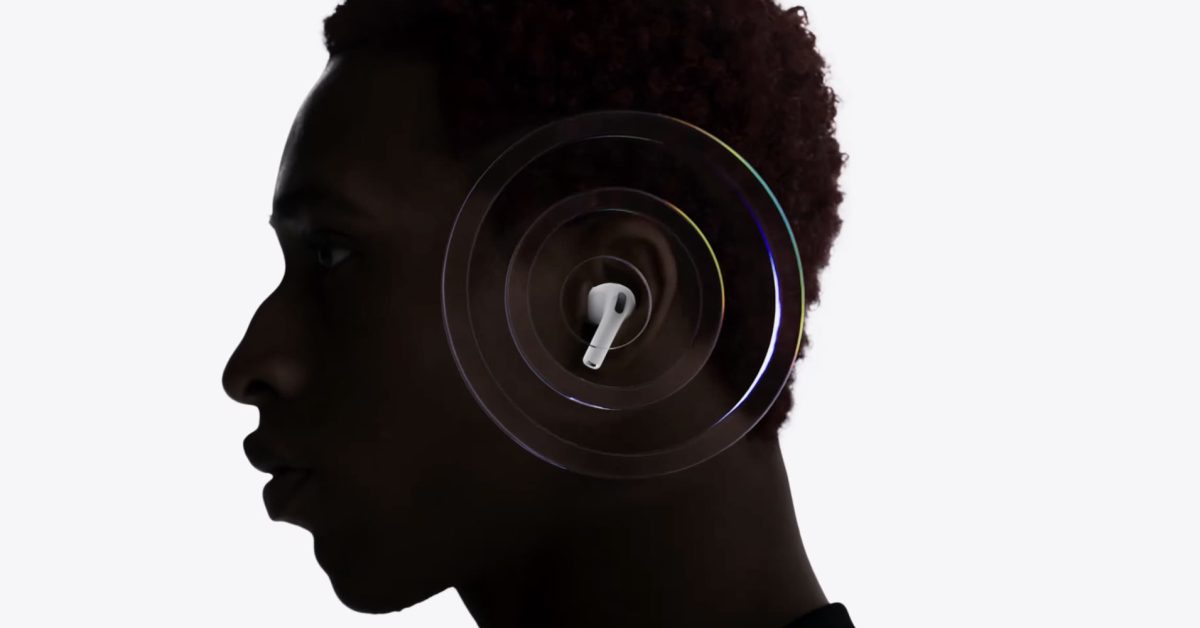
A recent study by researchers at Apple has revealed a new method for artificial intelligence to interpret brain electrical activity without relying on human-annotated data. This innovative approach, titled “Learning the Relative Composition of EEG Signals Using Pairwise Relative Shift Pretraining,” introduces a technique known as PAirwise Relative Shift or PARS.
Currently, most AI models that analyze brain activity depend heavily on annotated datasets that indicate specific classifications of electrical signals. This reliance can be a limiting factor in the development of more advanced AI applications in neuroscience. The new PARS methodology aims to overcome this limitation by enabling AI to learn from the inherent structure of brain signals without the need for extensive human input.
The study highlights the potential of PARS to significantly enhance the way AI models interpret electroencephalogram (EEG) data. By utilizing a pretraining approach that focuses on relative shifts in brain signal composition, the method allows for a more autonomous and efficient learning process. This could potentially open new avenues in brain-computer interface technologies, where devices could interpret user intentions directly from brain activity.
The implications of this research extend beyond technological advancements. If successful, future iterations of AirPods or similar devices could incorporate these AI capabilities, enabling them to respond to users’ cognitive states. This might include adjusting audio settings based on the user’s focus level or emotional state, creating a more personalized audio experience.
In addition to exploring the technical aspects of the PARS method, the study also demonstrates the significance of this research in the broader context of neuroscience and AI. By enhancing the understanding of brain signals, Apple aims to contribute to a deeper comprehension of cognitive processes and their applications in everyday technology.
As the field of brain-computer interfaces continues to evolve, the development of models that can interpret brain activity with greater accuracy and less reliance on human data will be crucial. The research highlights Apple’s commitment to innovation in AI and neuroscience, potentially paving the way for future products that integrate these advanced capabilities.
The study was conducted in 2023 and represents a significant milestone in the intersection of technology and neuroscience. As researchers continue to explore these uncharted territories, the possibilities for practical applications of such technology remain vast and intriguing.

Albert Camus’ Insightful Quote on Human Identity Resurfaces

Drone Strikes and Missile Attacks Disrupt UAE Amid Rising Tensions

Japanese Yen Rises Sharply Against US Dollar Ahead of Key Decisions

Priyanka Chopra and Nick Jonas Avoid Near Miss en Route to Oscars

Gujarat Vaccinates Over 11 Lakh Infants in Major Health Drive

Alexandre Singh Wins Oscar, Celebrates Immigrant Heritage

Lok Sabha Speaker Issues Warning Over Placards in Parliament

Global Electrosurgical Devices Market Expands to $10.2 Billion by 2034

North Zone Dominates Cricket; SJAM-1 Shines in Table Tennis

SBI Announces QIP Floor Price at ₹811.05 Per Share

Cept Unveils ₹3.1 Crore Urban Mobility Plan for Sustainable Growth

New Blood Group Discovered in South Indian Woman at Rotary Centre

Konkani Cultural Organisation to Host Pearl Jubilee in Abu Dhabi

Torrential Rains Cause Flash Flooding in New York and New Jersey

Nothing Headphone 1 Review: A Bold Contender in Audio Design

Indian Stock Market Rebounds: Sensex and Nifty Rise After Four-Day Decline

Broad Advocates for Bowling Change Ahead of Final Test Against India

Air India Crash Investigation Highlights Boeing Fuel Switch Concerns
-
 World11 months ago
SBI Announces QIP Floor Price at ₹811.05 Per Share
-
 Lifestyle11 months ago
Cept Unveils ₹3.1 Crore Urban Mobility Plan for Sustainable Growth
-
 Science10 months ago
New Blood Group Discovered in South Indian Woman at Rotary Centre
-
 Top Stories11 months ago
Konkani Cultural Organisation to Host Pearl Jubilee in Abu Dhabi
-
 World11 months ago
Torrential Rains Cause Flash Flooding in New York and New Jersey
-
 Science11 months ago
Nothing Headphone 1 Review: A Bold Contender in Audio Design
-
 Business11 months ago
Indian Stock Market Rebounds: Sensex and Nifty Rise After Four-Day Decline
-
 Sports10 months ago
Broad Advocates for Bowling Change Ahead of Final Test Against India
-
 Top Stories11 months ago
Air India Crash Investigation Highlights Boeing Fuel Switch Concerns
-

 Sports10 months ago
Cristian Totti Retires at 19: Pressure of Fame Takes Toll
-

 Politics11 months ago
Abandoned Doberman Finds New Home After Journey to Prague
-

 Top Stories11 months ago
Patna Bank Manager Abhishek Varun Found Dead in Well