
Politics
Mamata Banerjee Challenges Election Commission in Supreme Court

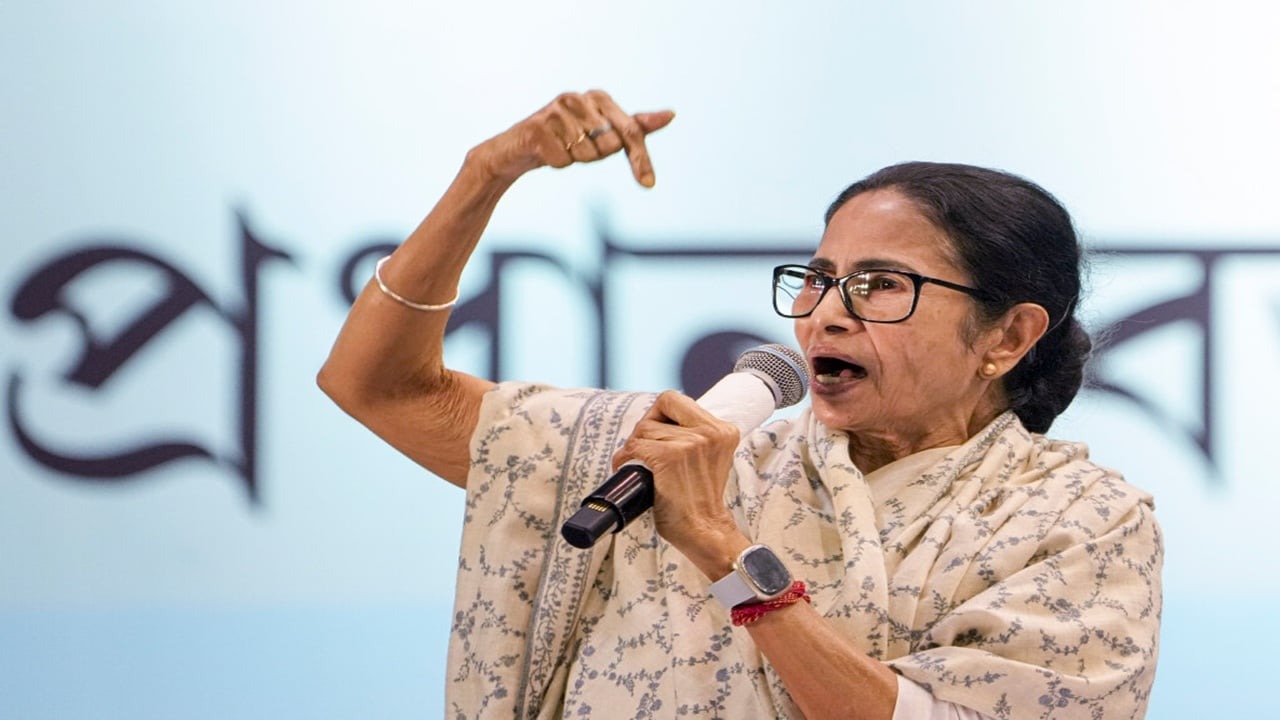
West Bengal Chief Minister Mamata Banerjee has emerged as a prominent figure in a high-stakes legal confrontation with the Election Commission of India (ECI) that is now before the Supreme Court. The dispute centers on the “Special Intensive Revision” (SIR) of electoral rolls, a process that has raised significant concerns among voters regarding their eligibility ahead of the upcoming elections.
The ECI initiated the SIR to rectify what it described as “logical discrepancies” in the voter lists. This effort includes identifying instances where more than six individuals share the same parent’s name and cases with age gaps between family members that appear “unrealistic.” Such a comprehensive review has flagged over 1.16 crore electors in West Bengal, intensifying fears that many legitimate voters may be disenfranchised.
Banerjee took the unusual step of personally representing her case in the Supreme Court, marking a significant moment in the ongoing legal saga. During her appearance, she criticized the ECI, referring to it as the “WhatsApp Commission” and alleging that it had been “bulldozing” the people of Bengal. Her primary contention is that the SIR could serve as a mechanism for mass deletions of eligible voters rather than a genuine verification process, especially with the 2026 elections on the horizon.
Supreme Court’s Response to the Dispute
While Banerjee requested an immediate stay on the SIR, the Supreme Court, led by Chief Justice Surya Kant, opted for a more measured response. The court issued a notice to the ECI but did not grant a pause on the revision process. Instead, it urged the commission to approach minor discrepancies, such as spelling errors or local dialect variations, with sensitivity. The court emphasized the importance of ensuring that no authentic voter is inadvertently excluded from the electoral rolls.
To enhance transparency, the Supreme Court has mandated that the ECI publicly display the list of individuals excluded from the voter rolls. This decision aims to address previous concerns regarding the lack of accountability in the revision process. The next hearing is set to examine the constitutional validity of the SIR more thoroughly, as the legal battle continues to unfold.
For voters in West Bengal, this case transcends mere political discourse; it directly impacts their rights and identities. As the final voter rolls are expected to be published soon, the outcome of this Supreme Court case will play a crucial role in determining whether the ECI’s actions are seen as legitimate administrative measures or as significant obstacles to democratic participation.

Albert Camus’ Insightful Quote on Human Identity Resurfaces

Drone Strikes and Missile Attacks Disrupt UAE Amid Rising Tensions

Japanese Yen Rises Sharply Against US Dollar Ahead of Key Decisions

Priyanka Chopra and Nick Jonas Avoid Near Miss en Route to Oscars

Gujarat Vaccinates Over 11 Lakh Infants in Major Health Drive

Alexandre Singh Wins Oscar, Celebrates Immigrant Heritage

Lok Sabha Speaker Issues Warning Over Placards in Parliament

Global Electrosurgical Devices Market Expands to $10.2 Billion by 2034

North Zone Dominates Cricket; SJAM-1 Shines in Table Tennis

SBI Announces QIP Floor Price at ₹811.05 Per Share

Cept Unveils ₹3.1 Crore Urban Mobility Plan for Sustainable Growth

New Blood Group Discovered in South Indian Woman at Rotary Centre

Konkani Cultural Organisation to Host Pearl Jubilee in Abu Dhabi

Torrential Rains Cause Flash Flooding in New York and New Jersey

Nothing Headphone 1 Review: A Bold Contender in Audio Design

Air India Crash Investigation Highlights Boeing Fuel Switch Concerns

Indian Stock Market Rebounds: Sensex and Nifty Rise After Four-Day Decline

Broad Advocates for Bowling Change Ahead of Final Test Against India
-
 World1 year ago
SBI Announces QIP Floor Price at ₹811.05 Per Share
-
 Lifestyle1 year ago
Cept Unveils ₹3.1 Crore Urban Mobility Plan for Sustainable Growth
-
 Science12 months ago
New Blood Group Discovered in South Indian Woman at Rotary Centre
-
 Top Stories1 year ago
Konkani Cultural Organisation to Host Pearl Jubilee in Abu Dhabi
-
 World1 year ago
Torrential Rains Cause Flash Flooding in New York and New Jersey
-
 Science1 year ago
Nothing Headphone 1 Review: A Bold Contender in Audio Design
-
 Top Stories1 year ago
Air India Crash Investigation Highlights Boeing Fuel Switch Concerns
-
 Business1 year ago
Indian Stock Market Rebounds: Sensex and Nifty Rise After Four-Day Decline
-
 Sports12 months ago
Broad Advocates for Bowling Change Ahead of Final Test Against India
-

 Sports12 months ago
Cristian Totti Retires at 19: Pressure of Fame Takes Toll
-

 Science12 months ago
Comparing Subscription Prices: Spotify, Apple Music, and YouTube Music in India
-

 Politics1 year ago
Abandoned Doberman Finds New Home After Journey to Prague