
Politics
India Launches Major GST Overhaul to Boost Economy and Trade

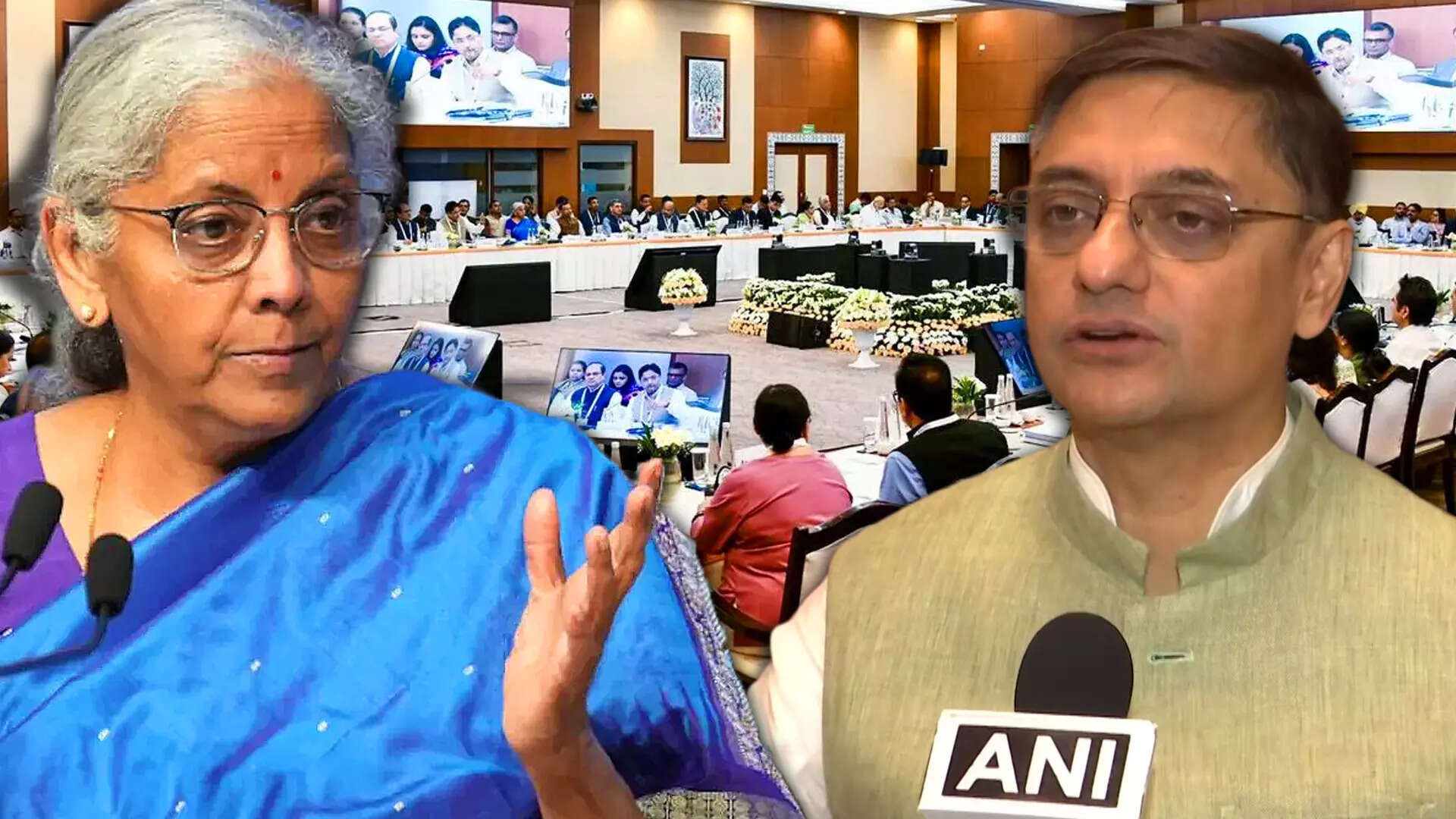
India has introduced a significant overhaul of its Goods and Services Tax (GST), marking the most substantial reset since its implementation in 2017. According to Sanjeev Sanyal, Principal Economic Adviser to the Government of India, this reform is not influenced by external factors like the tariffs imposed by former U.S. President Donald Trump. Instead, the changes are focused on enhancing India’s economic structure and promoting growth.
The new GST framework simplifies the previous system by reducing the number of tax slabs from multiple rates to just two. This streamlined approach aims to create a more efficient and transparent taxation environment. By eliminating the complexities of the old system, the Modi government is positioning India for more robust economic performance.
Key Features of the GST Reform
One of the primary objectives of the new GST structure is to improve compliance among businesses, particularly small enterprises that have historically struggled with navigating tax regulations. The introduction of a simpler system is expected to ease the burden on these businesses, allowing them to focus more on growth and less on regulatory challenges.
The reform is designed to stimulate trade across various sectors. With clearer guidelines and a more manageable tax structure, businesses can operate more effectively, ultimately contributing to overall economic expansion. The government anticipates that these changes will support small businesses, which are vital to India’s economy.
Sanyal emphasized that this reform is a logical step forward, aligning with the government’s broader economic goals. By fostering a fairer taxation system, the GST overhaul aims to attract investment and promote a competitive marketplace. This is particularly significant in a global environment where businesses are seeking stability and clarity in their operations.
As India embarks on this crucial transition, the government remains committed to monitoring the effects of the new GST framework. Officials are optimistic that the reforms will yield positive results in the coming months and years, driving sustained economic growth and enhancing India’s position in the global marketplace.
In conclusion, the recent GST reform is set to transform the landscape of taxation in India. By focusing on transparency, efficiency, and support for small businesses, the government believes it can foster a more resilient economy. The outcome of this ambitious initiative will be closely watched by both domestic and international stakeholders as India continues to evolve in its economic policies.

Albert Camus’ Insightful Quote on Human Identity Resurfaces

Drone Strikes and Missile Attacks Disrupt UAE Amid Rising Tensions

Japanese Yen Rises Sharply Against US Dollar Ahead of Key Decisions

Priyanka Chopra and Nick Jonas Avoid Near Miss en Route to Oscars

Gujarat Vaccinates Over 11 Lakh Infants in Major Health Drive

Alexandre Singh Wins Oscar, Celebrates Immigrant Heritage

Lok Sabha Speaker Issues Warning Over Placards in Parliament

Global Electrosurgical Devices Market Expands to $10.2 Billion by 2034

North Zone Dominates Cricket; SJAM-1 Shines in Table Tennis

SBI Announces QIP Floor Price at ₹811.05 Per Share

Cept Unveils ₹3.1 Crore Urban Mobility Plan for Sustainable Growth

Comparing Subscription Prices: Spotify, Apple Music, and YouTube Music in India

New Blood Group Discovered in South Indian Woman at Rotary Centre

Konkani Cultural Organisation to Host Pearl Jubilee in Abu Dhabi

Torrential Rains Cause Flash Flooding in New York and New Jersey

Nothing Headphone 1 Review: A Bold Contender in Audio Design

Air India Crash Investigation Highlights Boeing Fuel Switch Concerns

Broad Advocates for Bowling Change Ahead of Final Test Against India
-
 World1 year ago
SBI Announces QIP Floor Price at ₹811.05 Per Share
-
 Lifestyle1 year ago
Cept Unveils ₹3.1 Crore Urban Mobility Plan for Sustainable Growth
-
 Science1 year ago
Comparing Subscription Prices: Spotify, Apple Music, and YouTube Music in India
-
 Science1 year ago
New Blood Group Discovered in South Indian Woman at Rotary Centre
-
 Top Stories1 year ago
Konkani Cultural Organisation to Host Pearl Jubilee in Abu Dhabi
-
 World1 year ago
Torrential Rains Cause Flash Flooding in New York and New Jersey
-
 Science1 year ago
Nothing Headphone 1 Review: A Bold Contender in Audio Design
-
 Top Stories1 year ago
Air India Crash Investigation Highlights Boeing Fuel Switch Concerns
-
 Sports1 year ago
Broad Advocates for Bowling Change Ahead of Final Test Against India
-

 Business1 year ago
Indian Stock Market Rebounds: Sensex and Nifty Rise After Four-Day Decline
-

 Sports1 year ago
Cristian Totti Retires at 19: Pressure of Fame Takes Toll
-

 Politics1 year ago
Abandoned Doberman Finds New Home After Journey to Prague