
Lifestyle
Empowering Teens: 10 Essential Self-Help Books to Read

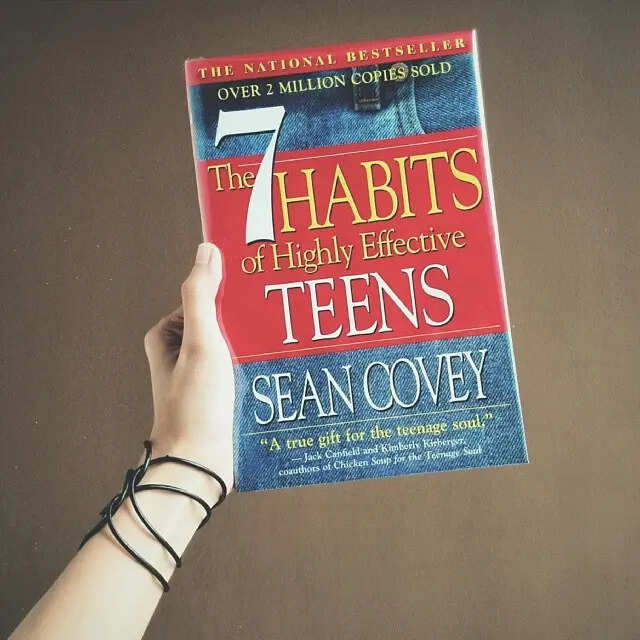
The teenage years are formative, shaping emotional patterns that influence adulthood. Recognizing this, a selection of self-help books has emerged that can guide adolescents in developing essential life skills. These books do not offer overwhelming theories but provide practical frameworks for navigating pressures, relationships, and self-belief in an ever-accelerating world.
10 Essential Books for Teen Development
One standout title is The 7 Habits of Highly Effective Teens by Sean Covey. This book adapts the principles from his father’s classic work to resonate with modern teenagers. It covers critical topics such as responsibility, goal-setting, and emotional maturity. Covey emphasizes that choices play a significant role in shaping identity and outcomes, using relatable scenarios from school and family life. Rather than promising quick fixes, the book focuses on character-building through habits that foster self-respect and discipline.
Another important read is The Confidence Code for Girls by Katty Kay and Claire Shipman. This book addresses the sharp decline in confidence many girls experience during adolescence. It combines insights from neuroscience and psychology, framing confidence as something that is cultivated through action rather than perfection. It encourages young women to confront fears, challenge societal expectations, and embrace their abilities.
For those seeking guidance in social interactions, How to Win Friends and Influence People by Dale Carnegie remains timeless. Despite being published decades ago, Carnegie’s principles on effective communication and empathy are invaluable for teenagers facing social anxiety and relationship challenges. The book teaches essential skills like active listening and genuine respect for others, helping teens navigate friendship dynamics without resorting to manipulation.
Fostering Emotional Intelligence
Understanding personal boundaries is crucial for teenagers, which is where Boundaries by Dr. Henry Cloud and Dr. John Townsend comes into play. This book highlights the importance of knowing where one person ends, and another begins. It illustrates how excessive compliance can lead to resentment and confusion. By using everyday examples, it teaches teens to establish healthy boundaries while maintaining kindness and responsibility.
Another noteworthy title is Ikigai for Teens by Héctor García and Francesc Miralles, which introduces the Japanese concept of ikigai or “reason for being.” Instead of pressuring teens to focus solely on career success, it encourages them to reflect on their interests and values. The book reassures readers that purpose unfolds over time, offering exercises that promote self-discovery and reduce anxiety about the future.
In Chicken Soup for the Teenage Soul, Jack Canfield presents a collection of stories that resonate deeply with teenagers. These narratives address themes of insecurity, courage, and kindness, providing a sense of connection and validation. For many teens feeling isolated in their struggles, these stories serve as a comforting reminder that they are not alone.
Another practical resource is Think Confident, Be Confident for Teens by Leslie Sokol and Marci Fox. Grounded in cognitive behavioral therapy, this book helps young readers understand the connection between thoughts, feelings, and actions. It offers strategies to combat negative self-talk and anxiety, promoting emotional resilience among teenagers facing academic and social pressures.
For those ready to delve deeper into self-esteem, The Six Pillars of Self-Esteem by Nathaniel Branden provides a comprehensive understanding of self-respect and acceptance. While it requires thoughtful engagement, the book’s insights can significantly impact older teenagers looking to solidify their personal growth.
Lastly, Memory: How to Develop, Train, and Use It by William Walker Atkinson offers practical techniques for improving memory, which can be especially beneficial for students. This book reframes memory as a skill rather than a talent, encouraging teenagers to enhance their learning capabilities without feeling overwhelmed.
Another valuable title is The Power of Now by Eckhart Tolle, which introduces mindfulness concepts in an accessible manner. It encourages readers to recognize how persistent mental chatter can lead to anxiety and self-doubt. By promoting awareness of thoughts rather than being controlled by them, the book offers tools for achieving emotional balance.
Engaging with these self-help books can provide teenagers with guidance as they navigate a complex emotional landscape. They emphasize that confidence, purpose, and resilience are not innate traits but skills developed through understanding and practice. While reading these books may not guarantee an effortless journey, they can significantly reduce future confusion and foster a deeper sense of self.

Albert Camus’ Insightful Quote on Human Identity Resurfaces

Drone Strikes and Missile Attacks Disrupt UAE Amid Rising Tensions

Japanese Yen Rises Sharply Against US Dollar Ahead of Key Decisions

Priyanka Chopra and Nick Jonas Avoid Near Miss en Route to Oscars

Gujarat Vaccinates Over 11 Lakh Infants in Major Health Drive

Alexandre Singh Wins Oscar, Celebrates Immigrant Heritage

Lok Sabha Speaker Issues Warning Over Placards in Parliament

Global Electrosurgical Devices Market Expands to $10.2 Billion by 2034

North Zone Dominates Cricket; SJAM-1 Shines in Table Tennis

SBI Announces QIP Floor Price at ₹811.05 Per Share

Cept Unveils ₹3.1 Crore Urban Mobility Plan for Sustainable Growth

Comparing Subscription Prices: Spotify, Apple Music, and YouTube Music in India

New Blood Group Discovered in South Indian Woman at Rotary Centre

Konkani Cultural Organisation to Host Pearl Jubilee in Abu Dhabi

Torrential Rains Cause Flash Flooding in New York and New Jersey

Nothing Headphone 1 Review: A Bold Contender in Audio Design

Air India Crash Investigation Highlights Boeing Fuel Switch Concerns

Broad Advocates for Bowling Change Ahead of Final Test Against India
-
 World1 year ago
SBI Announces QIP Floor Price at ₹811.05 Per Share
-
 Lifestyle1 year ago
Cept Unveils ₹3.1 Crore Urban Mobility Plan for Sustainable Growth
-
 Science1 year ago
Comparing Subscription Prices: Spotify, Apple Music, and YouTube Music in India
-
 Science1 year ago
New Blood Group Discovered in South Indian Woman at Rotary Centre
-
 Top Stories1 year ago
Konkani Cultural Organisation to Host Pearl Jubilee in Abu Dhabi
-
 World1 year ago
Torrential Rains Cause Flash Flooding in New York and New Jersey
-
 Science1 year ago
Nothing Headphone 1 Review: A Bold Contender in Audio Design
-
 Top Stories1 year ago
Air India Crash Investigation Highlights Boeing Fuel Switch Concerns
-
 Sports1 year ago
Broad Advocates for Bowling Change Ahead of Final Test Against India
-

 Business1 year ago
Indian Stock Market Rebounds: Sensex and Nifty Rise After Four-Day Decline
-

 Sports1 year ago
Cristian Totti Retires at 19: Pressure of Fame Takes Toll
-

 Politics1 year ago
Abandoned Doberman Finds New Home After Journey to Prague