
Lifestyle
Discovering Chausath Khamba: Delhi’s Overlooked Marble Gem

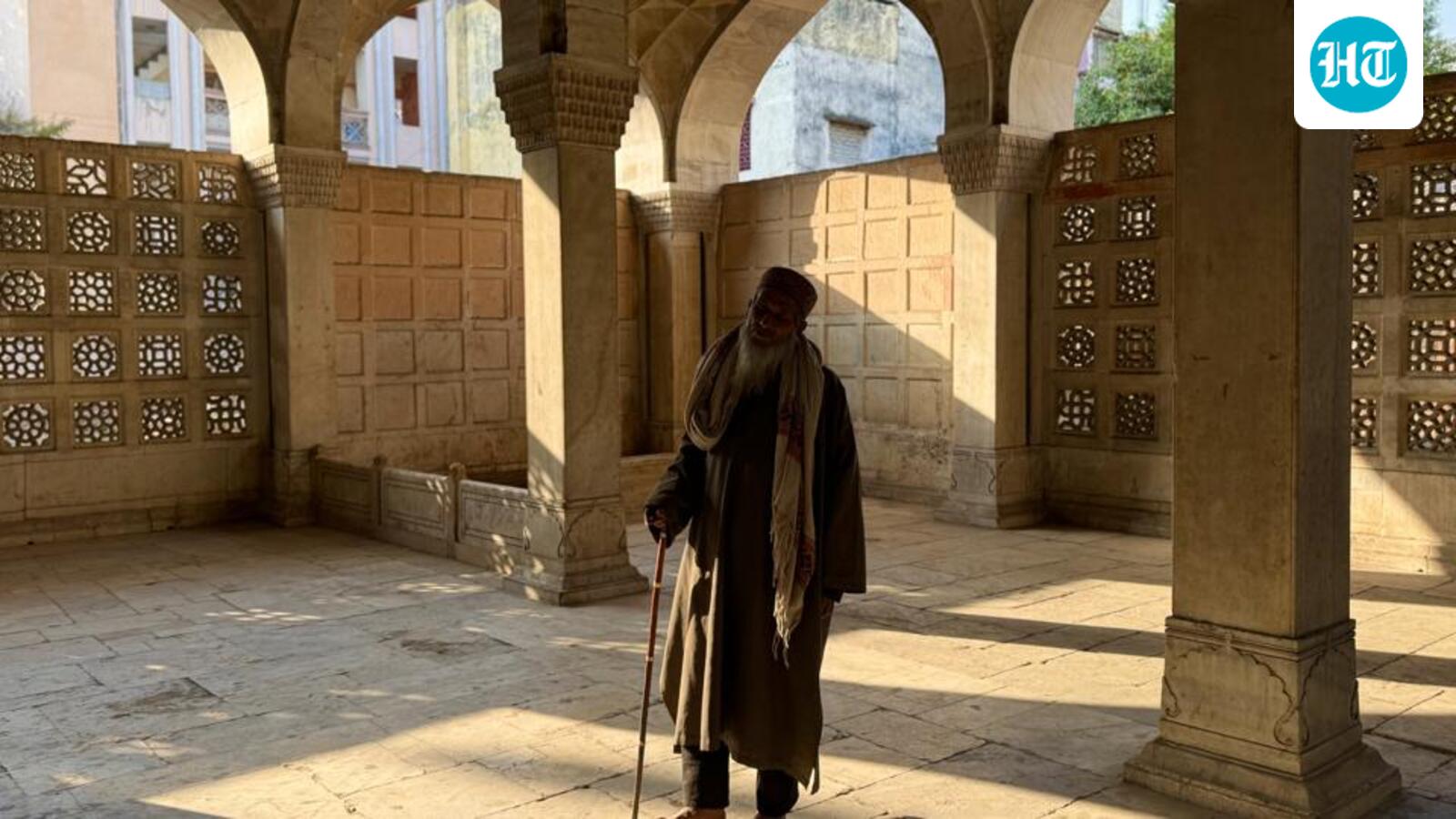
The historic monument of Chausath Khamba in Delhi, often overshadowed by more famous sites, offers a unique glimpse into the Mughal architectural legacy. Notably, this structure is situated near the tomb of the renowned poet Mirza Ghalib, who, despite his deep connection to Delhi, never dedicated a verse to the iconic Taj Mahal. Ghalib spent his life composing poetry on themes of love but left the world’s most celebrated symbol of romance untouched in his works.
Chausath Khamba: A Hidden Architectural Marvel
Chausath Khamba, which translates to “Sixty-Four Pillars,” is the first Mughal monument constructed entirely from marble, a feat accomplished approximately 400 years ago. Located in the urban village of Nizamuddin Basti, the monument’s entrance remains hidden from the bustling streets, contributing to its status as one of Delhi’s least-visited sites. Despite its proximity to the popular Humayun’s Tomb, this architectural gem often goes unnoticed by tourists.
Built as a mausoleum for Mirza Aziz Koka, the foster brother of Emperor Akbar, Chausath Khamba contains ten graves, including that of Koka and his wife. The structure features a pillared hall, with a symmetrical design that later inspired the grand Diwan-i-Aam at the Red Fort. The monument is enveloped in a stunning white marble, quarried in Makrana, Rajasthan, giving it a distinct greyish hue.
Visitors to Chausath Khamba can appreciate the intricate craftsmanship of the site, which includes twenty-five marble domes supported by its famous pillars. The enclosed stone screens allow soft daylight to filter in, creating a serene atmosphere that illuminates the marble interior and highlights the graves. The best time to experience this enchanting light show is around 16:00, when the fading sun casts shadows that dance across the floor.
“The light falls softly across the floor, creating a parallel monument of shadow and illumination,” says local visitor Fakeer Kashmir Baba, who often comes to reflect in the quiet space.
Marble Monuments in Delhi
Delhi boasts a number of significant marble structures, though few are constructed entirely from this material. Among them are the Moti Masjid within the Red Fort, the second Moti Masjid at Zafar Mahal, and the tombs of notable figures such as Princess Jahanara and Maulana Abul Kalam Azad. A modern addition to this list is the Lotus Temple, which features marble sourced from Greece.
Over the coming weeks, this article series will explore Delhi’s remarkable marble structures, beginning with the historic Chausath Khamba. As the first entirely marble monument of the Mughal era, it stands as a testament to the architectural innovation of its time, waiting to be rediscovered by those who appreciate the rich history of the region.
In a city filled with iconic landmarks, Chausath Khamba remains an undiscovered treasure, deserving of recognition for its beauty and historical significance. Visitors are encouraged to venture into Nizamuddin Basti to uncover this hidden marvel and witness the poetic legacy of Ghalib’s resting place, juxtaposed with the grandeur of a monument long overlooked.

Albert Camus’ Insightful Quote on Human Identity Resurfaces

Drone Strikes and Missile Attacks Disrupt UAE Amid Rising Tensions

Japanese Yen Rises Sharply Against US Dollar Ahead of Key Decisions

Priyanka Chopra and Nick Jonas Avoid Near Miss en Route to Oscars

Gujarat Vaccinates Over 11 Lakh Infants in Major Health Drive

Alexandre Singh Wins Oscar, Celebrates Immigrant Heritage

Lok Sabha Speaker Issues Warning Over Placards in Parliament

Global Electrosurgical Devices Market Expands to $10.2 Billion by 2034

North Zone Dominates Cricket; SJAM-1 Shines in Table Tennis

SBI Announces QIP Floor Price at ₹811.05 Per Share

Cept Unveils ₹3.1 Crore Urban Mobility Plan for Sustainable Growth

Comparing Subscription Prices: Spotify, Apple Music, and YouTube Music in India

New Blood Group Discovered in South Indian Woman at Rotary Centre

Konkani Cultural Organisation to Host Pearl Jubilee in Abu Dhabi

Torrential Rains Cause Flash Flooding in New York and New Jersey

Nothing Headphone 1 Review: A Bold Contender in Audio Design

Air India Crash Investigation Highlights Boeing Fuel Switch Concerns

Broad Advocates for Bowling Change Ahead of Final Test Against India
-
 World1 year ago
SBI Announces QIP Floor Price at ₹811.05 Per Share
-
 Lifestyle1 year ago
Cept Unveils ₹3.1 Crore Urban Mobility Plan for Sustainable Growth
-
 Science1 year ago
Comparing Subscription Prices: Spotify, Apple Music, and YouTube Music in India
-
 Science1 year ago
New Blood Group Discovered in South Indian Woman at Rotary Centre
-
 Top Stories1 year ago
Konkani Cultural Organisation to Host Pearl Jubilee in Abu Dhabi
-
 World1 year ago
Torrential Rains Cause Flash Flooding in New York and New Jersey
-
 Science1 year ago
Nothing Headphone 1 Review: A Bold Contender in Audio Design
-
 Top Stories1 year ago
Air India Crash Investigation Highlights Boeing Fuel Switch Concerns
-
 Sports1 year ago
Broad Advocates for Bowling Change Ahead of Final Test Against India
-

 Business1 year ago
Indian Stock Market Rebounds: Sensex and Nifty Rise After Four-Day Decline
-

 Sports1 year ago
Cristian Totti Retires at 19: Pressure of Fame Takes Toll
-

 Politics1 year ago
Abandoned Doberman Finds New Home After Journey to Prague