
Health
West Bengal Faces Nipah Virus Crisis as Two Patients Slip into Coma

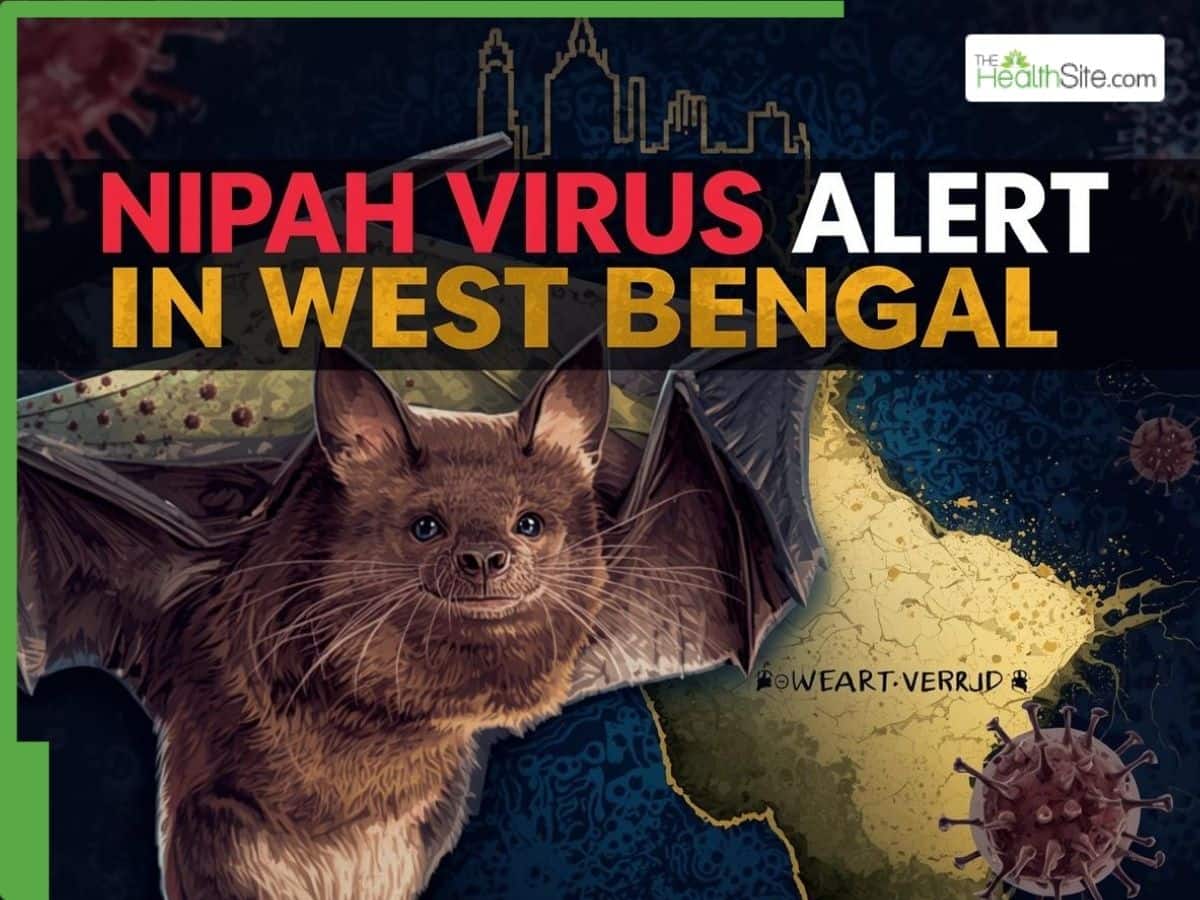
West Bengal is currently grappling with a serious health crisis as two patients have tested positive for the highly contagious Nipah virus (NiV). Both individuals, who are nurses from the Barasat district, are in critical condition, with one having slipped into a coma. This alarming situation has prompted health authorities to take immediate action, including placing over 120 individuals who came into close contact with the infected patients under home isolation.
As the situation unfolds, government officials have assured that both private and public hospitals in West Bengal are preparing for a possible increase in cases. The Infectious Diseases and Beleghata General Hospital (IDBGH) in Kolkata has established a dedicated unit for Nipah virus patients. An expert committee has been formed to manage the outbreak effectively, and a Standard Operating Procedure (SOP) has been developed for all medical facilities to follow.
Nandini Chakraborty, the Chief Secretary of West Bengal, emphasized the importance of remaining alert but not panicking. “We have already started contact tracing and an SOP has been developed and deployed,” she stated on January 12, 2026. This proactive approach aims to contain the virus and mitigate its spread.
The Resurgence of Nipah Virus
The Nipah virus has re-emerged in West Bengal nearly 19 years after its last notable outbreak in India. The current situation raises concerns reminiscent of past health crises, including the COVID-19 pandemic that claimed millions of lives within a year. The severity of the Nipah virus is underscored by its potential to cause severe respiratory illness and neurological complications.
According to the World Health Organization (WHO), Nipah virus is a zoonotic virus that can spread from infected fruit bats to humans. It can also be transmitted through human contact, including exposure to infected surfaces or body fluids. The initial identification of the virus dates back to 1998 during an outbreak in Malaysia, and it has since caused sporadic outbreaks in South and Southeast Asia, including India.
Understanding Nipah Virus and Its Impact
Nipah virus is particularly concerning due to its ability to evade the human immune system. Symptoms can range from mild respiratory issues to severe neurological effects, including encephalitis. The high mortality rate associated with the virus has made it a significant public health concern.
As health officials monitor the situation closely, the fear of another pandemic looms large. The re-emergence of such a dangerous virus has triggered anxiety among the public, reminiscent of the global panic experienced during the COVID-19 crisis. Authorities are urging the population to stay informed and adhere to health advisories.
The immediate focus remains on containing the outbreak and ensuring the safety of the community. Health officials are expected to continue contact tracing and monitoring the health of those in isolation. The situation serves as a stark reminder of the ongoing challenges posed by zoonotic diseases and the need for preparedness in the face of potential outbreaks.
For ongoing updates on the Nipah virus and other health-related news, follow credible sources and health authorities.

Albert Camus’ Insightful Quote on Human Identity Resurfaces

Drone Strikes and Missile Attacks Disrupt UAE Amid Rising Tensions

Japanese Yen Rises Sharply Against US Dollar Ahead of Key Decisions

Priyanka Chopra and Nick Jonas Avoid Near Miss en Route to Oscars

Gujarat Vaccinates Over 11 Lakh Infants in Major Health Drive

Alexandre Singh Wins Oscar, Celebrates Immigrant Heritage

Lok Sabha Speaker Issues Warning Over Placards in Parliament

Global Electrosurgical Devices Market Expands to $10.2 Billion by 2034

North Zone Dominates Cricket; SJAM-1 Shines in Table Tennis

SBI Announces QIP Floor Price at ₹811.05 Per Share

Cept Unveils ₹3.1 Crore Urban Mobility Plan for Sustainable Growth

New Blood Group Discovered in South Indian Woman at Rotary Centre

Konkani Cultural Organisation to Host Pearl Jubilee in Abu Dhabi

Torrential Rains Cause Flash Flooding in New York and New Jersey

Nothing Headphone 1 Review: A Bold Contender in Audio Design

Indian Stock Market Rebounds: Sensex and Nifty Rise After Four-Day Decline

Air India Crash Investigation Highlights Boeing Fuel Switch Concerns

Broad Advocates for Bowling Change Ahead of Final Test Against India
-
 World12 months ago
SBI Announces QIP Floor Price at ₹811.05 Per Share
-
 Lifestyle12 months ago
Cept Unveils ₹3.1 Crore Urban Mobility Plan for Sustainable Growth
-
 Science12 months ago
New Blood Group Discovered in South Indian Woman at Rotary Centre
-
 Top Stories12 months ago
Konkani Cultural Organisation to Host Pearl Jubilee in Abu Dhabi
-
 World12 months ago
Torrential Rains Cause Flash Flooding in New York and New Jersey
-
 Science12 months ago
Nothing Headphone 1 Review: A Bold Contender in Audio Design
-
 Business12 months ago
Indian Stock Market Rebounds: Sensex and Nifty Rise After Four-Day Decline
-
 Top Stories12 months ago
Air India Crash Investigation Highlights Boeing Fuel Switch Concerns
-
 Sports12 months ago
Broad Advocates for Bowling Change Ahead of Final Test Against India
-

 Sports12 months ago
Cristian Totti Retires at 19: Pressure of Fame Takes Toll
-

 Politics12 months ago
Abandoned Doberman Finds New Home After Journey to Prague
-
 Lifestyle12 months ago
Villagers Unite to Raise ₹45 Lakh for Water Solutions in Vadgam