
Health
Trump Implements Additional 25% Tariff on Indian Imports

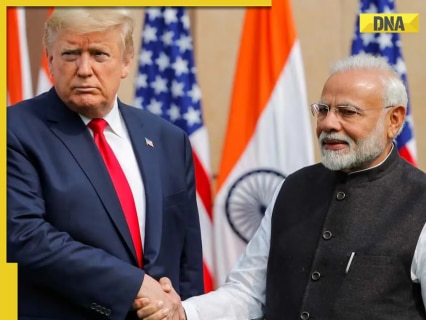
On March 6, 2024, United States President Donald Trump announced a significant increase in tariffs on imports from India, introducing an additional 25 percent levy. This new measure escalates the total tariff on Indian goods to 50 percent, a move that could have substantial implications for trade relations between the two nations.
The announcement was made during a press conference in Washington, where Trump emphasized the need to protect American industries and jobs. He stated that the tariffs are a response to what he describes as unfair trade practices by India, which he claims have hurt U.S. manufacturers and farmers. The President’s decision has been met with mixed reactions, highlighting the ongoing tension in U.S.-India trade relations.
The implementation of this increased tariff is part of a broader strategy by the Trump administration to renegotiate trade agreements with various countries. The President’s focus on tariffs is intended to address the trade deficit the United States has with India, which stood at approximately $22.9 billion in 2023. Trump’s administration believes that imposing higher tariffs will encourage domestic production and reduce reliance on foreign imports.
India has responded to these developments with concern. The Indian government has indicated that it may seek to retaliate against American goods, potentially leading to a trade war between the two nations. Indian officials have described the tariffs as “unfair” and detrimental to both economies. They argue that such measures could adversely affect not only Indian exporters but also American consumers, who may face higher prices for goods imported from India.
Trade analysts are closely monitoring the situation. Many believe that the increased tariffs could lead to decreased trade volumes and economic strain for both countries. The relationship between the U.S. and India has been characterized by collaboration in various sectors, including technology and defense. However, these new tariffs could jeopardize those partnerships.
As this situation develops, stakeholders in both nations are urged to engage in dialogue to address the underlying issues that have led to this escalation. Diplomatic efforts will be crucial in mitigating the potential fallout from these trade measures, which could have broader implications for international trade dynamics in the coming months.
The impact of the tariffs will likely be felt across multiple industries, including textiles, pharmaceuticals, and agricultural products, where India is a significant exporter. As businesses adapt to these changes, the long-term effects on both economies remain uncertain. The coming weeks will be critical in determining the trajectory of U.S.-India trade relations and the global economic landscape.

Albert Camus’ Insightful Quote on Human Identity Resurfaces

Drone Strikes and Missile Attacks Disrupt UAE Amid Rising Tensions

Japanese Yen Rises Sharply Against US Dollar Ahead of Key Decisions

Priyanka Chopra and Nick Jonas Avoid Near Miss en Route to Oscars

Gujarat Vaccinates Over 11 Lakh Infants in Major Health Drive

Alexandre Singh Wins Oscar, Celebrates Immigrant Heritage

Lok Sabha Speaker Issues Warning Over Placards in Parliament

Global Electrosurgical Devices Market Expands to $10.2 Billion by 2034

North Zone Dominates Cricket; SJAM-1 Shines in Table Tennis

SBI Announces QIP Floor Price at ₹811.05 Per Share

Cept Unveils ₹3.1 Crore Urban Mobility Plan for Sustainable Growth

New Blood Group Discovered in South Indian Woman at Rotary Centre

Konkani Cultural Organisation to Host Pearl Jubilee in Abu Dhabi

Torrential Rains Cause Flash Flooding in New York and New Jersey

Nothing Headphone 1 Review: A Bold Contender in Audio Design

Indian Stock Market Rebounds: Sensex and Nifty Rise After Four-Day Decline

Air India Crash Investigation Highlights Boeing Fuel Switch Concerns

Broad Advocates for Bowling Change Ahead of Final Test Against India
-
 World12 months ago
SBI Announces QIP Floor Price at ₹811.05 Per Share
-
 Lifestyle12 months ago
Cept Unveils ₹3.1 Crore Urban Mobility Plan for Sustainable Growth
-
 Science12 months ago
New Blood Group Discovered in South Indian Woman at Rotary Centre
-
 Top Stories12 months ago
Konkani Cultural Organisation to Host Pearl Jubilee in Abu Dhabi
-
 World12 months ago
Torrential Rains Cause Flash Flooding in New York and New Jersey
-
 Science12 months ago
Nothing Headphone 1 Review: A Bold Contender in Audio Design
-
 Business12 months ago
Indian Stock Market Rebounds: Sensex and Nifty Rise After Four-Day Decline
-
 Top Stories12 months ago
Air India Crash Investigation Highlights Boeing Fuel Switch Concerns
-
 Sports12 months ago
Broad Advocates for Bowling Change Ahead of Final Test Against India
-

 Sports12 months ago
Cristian Totti Retires at 19: Pressure of Fame Takes Toll
-

 Politics12 months ago
Abandoned Doberman Finds New Home After Journey to Prague
-

 Lifestyle12 months ago
Villagers Unite to Raise ₹45 Lakh for Water Solutions in Vadgam