
Health
Tone Your Waist Naturally with 5 African-Inspired Exercises

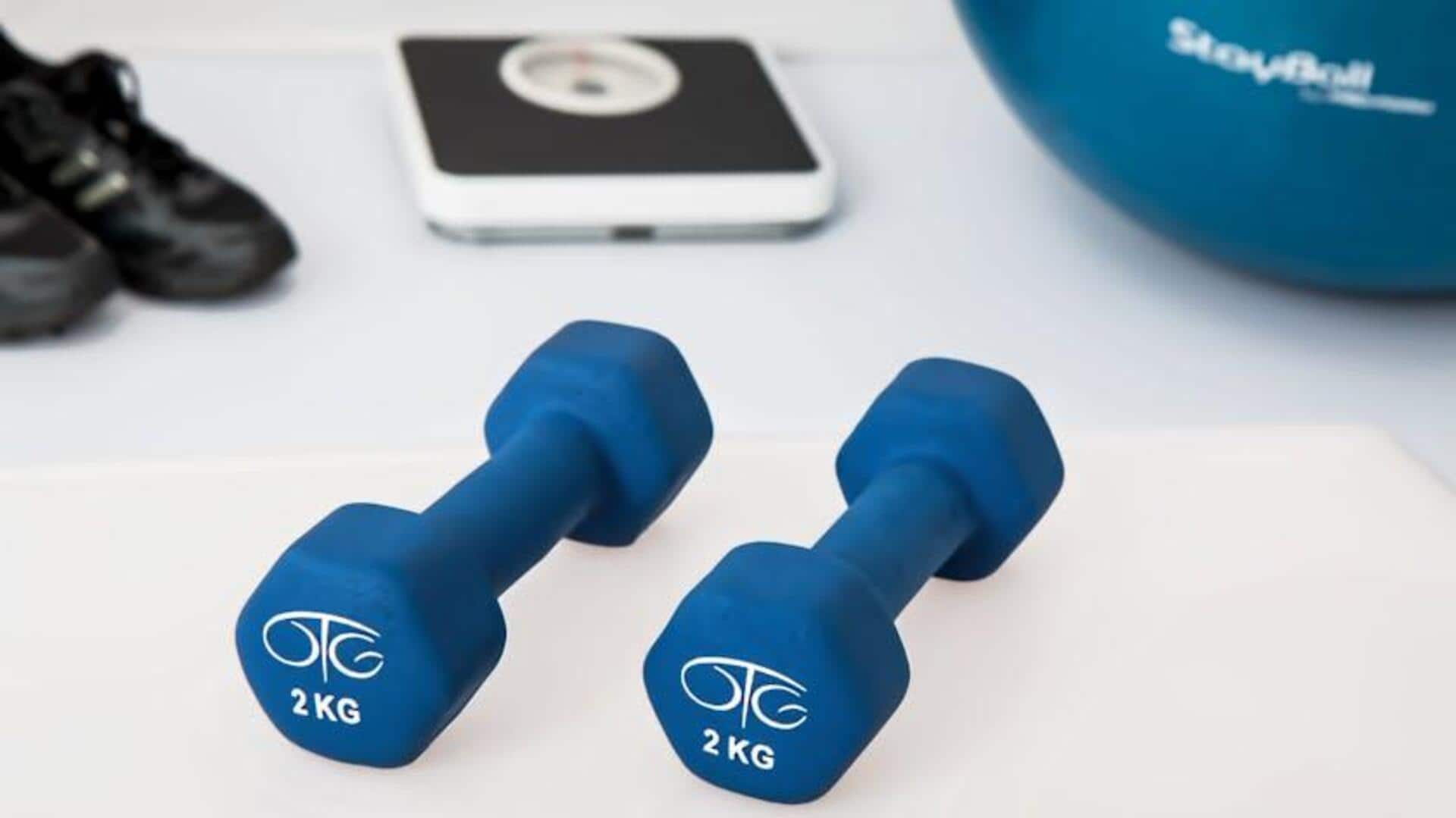
Achieving a toned waist can be simple and effective by incorporating natural movements inspired by traditional African practices. Many of these exercises, rooted in daily activities, require no specialized equipment and can enhance overall fitness and well-being. By integrating these movements into your routine, you can develop a balanced physique while enjoying the benefits of cultural heritage.
Effective Exercises for Toning the Sides
African dance forms are celebrated for their dynamic and rhythmic side-to-side movements, which help to stretch and tone the muscles along the sides of the body. These lateral stretches not only improve flexibility but also strengthen the oblique muscles. To perform this exercise, stand with your feet shoulder-width apart and raise your arms overhead. Lean to one side while maintaining stability in your hips, then switch to the opposite side. Repeat this motion several times to maximize effectiveness.
Another popular activity across various African communities is rope skipping. This exercise serves as both a cardiovascular workout and a means to strengthen core muscles. While skipping rope, incorporate lateral movements by shifting your weight from one foot to the other. This side-to-side motion actively engages the obliques, making it a fun and efficient way to tone your waist.
Daily tasks in many African cultures often involve grinding herbs, an activity that engages the shoulders and sides of the torso through circular arm movements. To replicate this exercise, stand with your feet hip-width apart, extend your arms outward at shoulder height, and make small circles with your hands for several repetitions. Afterward, reverse the direction of the circles to ensure a balanced workout.
Carrying water containers on one’s head or hips is a long-standing practice in various African regions that emphasizes balance and core strength. This exercise naturally tones the sides as it requires subtle bending while walking or standing still with weight balanced on top of the head or hip. Incorporating this movement into your daily routine can enhance your overall strength and stability.
Farming activities, prevalent across Africa, often involve squatting during the planting or harvesting of crops. This movement engages multiple muscle groups, including those along the sides of the torso. To perform this exercise, stand with your feet shoulder-width apart, lower yourself into a squat position, and hold it for a few seconds before standing back up. Repeating this process several times can yield significant results.
Incorporate Cultural Movements into Your Routine
By embracing these five African-inspired exercises, individuals can tone their waist naturally while connecting with cultural traditions. These movements reflect the physicality of daily life in various communities and can be adapted to fit modern fitness routines. Engaging in such exercises not only promotes physical health but also honors the rich heritage of African cultures.
Incorporating these natural movements into your fitness regimen can lead to improved strength and flexibility without the need for complex gym equipment. Enjoy the journey to a toned waist while embracing cultural practices that emphasize the importance of movement in daily life.

Albert Camus’ Insightful Quote on Human Identity Resurfaces

Drone Strikes and Missile Attacks Disrupt UAE Amid Rising Tensions

Japanese Yen Rises Sharply Against US Dollar Ahead of Key Decisions

Priyanka Chopra and Nick Jonas Avoid Near Miss en Route to Oscars

Gujarat Vaccinates Over 11 Lakh Infants in Major Health Drive

Alexandre Singh Wins Oscar, Celebrates Immigrant Heritage

Lok Sabha Speaker Issues Warning Over Placards in Parliament

Global Electrosurgical Devices Market Expands to $10.2 Billion by 2034

North Zone Dominates Cricket; SJAM-1 Shines in Table Tennis

SBI Announces QIP Floor Price at ₹811.05 Per Share

Cept Unveils ₹3.1 Crore Urban Mobility Plan for Sustainable Growth

Comparing Subscription Prices: Spotify, Apple Music, and YouTube Music in India

New Blood Group Discovered in South Indian Woman at Rotary Centre

Konkani Cultural Organisation to Host Pearl Jubilee in Abu Dhabi

Torrential Rains Cause Flash Flooding in New York and New Jersey

Nothing Headphone 1 Review: A Bold Contender in Audio Design

Air India Crash Investigation Highlights Boeing Fuel Switch Concerns

Broad Advocates for Bowling Change Ahead of Final Test Against India
-
 World1 year ago
SBI Announces QIP Floor Price at ₹811.05 Per Share
-
 Lifestyle1 year ago
Cept Unveils ₹3.1 Crore Urban Mobility Plan for Sustainable Growth
-
 Science1 year ago
Comparing Subscription Prices: Spotify, Apple Music, and YouTube Music in India
-
 Science1 year ago
New Blood Group Discovered in South Indian Woman at Rotary Centre
-
 Top Stories1 year ago
Konkani Cultural Organisation to Host Pearl Jubilee in Abu Dhabi
-
 World1 year ago
Torrential Rains Cause Flash Flooding in New York and New Jersey
-
 Science1 year ago
Nothing Headphone 1 Review: A Bold Contender in Audio Design
-
 Top Stories1 year ago
Air India Crash Investigation Highlights Boeing Fuel Switch Concerns
-
 Sports1 year ago
Broad Advocates for Bowling Change Ahead of Final Test Against India
-

 Business1 year ago
Indian Stock Market Rebounds: Sensex and Nifty Rise After Four-Day Decline
-

 Sports1 year ago
Cristian Totti Retires at 19: Pressure of Fame Takes Toll
-

 Politics1 year ago
Abandoned Doberman Finds New Home After Journey to Prague