
Health
Tezpur University Researchers Uncover Blood Markers for Early Gallbladder Cancer Detection


Researchers at Tezpur University have made a significant breakthrough in the early detection of gallbladder cancer, identifying specific blood markers that differentiate cases with and without gallstones. This finding could enhance diagnostic protocols for a cancer known for its aggressive nature and often late-stage diagnosis. The study, led by Assistant Professor Dr Pankaj Barah and research scholar Dr Cinmoyee Baruah, was published in the Journal of Proteome Research of the American Chemical Society on January 10, 2024.
Gallbladder cancer ranks among the most lethal gastrointestinal cancers, particularly in Northeast India, where it is the third most common cancer. The disease is notorious for its silent progression, with many patients diagnosed at advanced stages when treatment options are severely limited. While gallstones are a known risk factor, a considerable number of patients diagnosed with gallbladder cancer do not have any history of gallstones, highlighting the need for effective early detection strategies.
The researchers conducted a pioneering pilot study involving blood samples from three distinct groups: patients with gallbladder cancer who do not have gallstones, patients with gallbladder cancer associated with gallstones, and individuals with gallstones but no cancer. The study utilized advanced metabolomics techniques, enabling the detection of hundreds of altered metabolites. Specifically, 180 metabolites were identified in cases without gallstones, while 225 metabolites were found in cases with gallstones. This comprehensive analysis led to the identification of distinct biomarker panels with high diagnostic accuracy for each group, many of which involve bile acids and amino acid derivatives linked to tumor progression.
Collaboration Drives Innovation
The research was the product of an interdisciplinary collaboration that included surgeons, pathologists, pharmaceutical scientists, molecular biologists, and computational scientists. Clinical insights were provided by institutions such as Assam Medical College and Hospital in Dibrugarh, Dr B Borooah Cancer Institute in Guwahati, and Swagat Super-Speciality Hospital. Analytical and computational support came from the University of Illinois, Urbana–Champaign, in the United States, and the CSIR–Indian Institute of Toxicology Research in Lucknow.
Highlighting the translational relevance of these findings, Dr Gayatri Gogoi, a pathologist at Assam Medical College, remarked, “By linking tissue pathology with blood metabolomics, this research bridges the gap between laboratory discoveries and clinical diagnosis.”
From a clinical perspective, Dr Subhash Khanna, a renowned gastrointestinal surgeon based in Guwahati, described the findings as a significant advancement. “The identification of blood-based metabolic markers provides a practical pathway towards early diagnosis and informed clinical decision-making,” he said.
Next Steps for Clinical Application
While the findings are promising, the researchers emphasize the need for larger, multi-centre studies to validate their results before any clinical application. Nevertheless, they believe their work lays a strong scientific foundation for developing non-invasive screening tools, particularly relevant for high-risk regions like Northeast India, where the burden of gallbladder cancer is projected to increase.
These developments in blood-based diagnostics represent a hopeful step towards improving outcomes for patients diagnosed with this challenging cancer. The potential for simple blood tests could revolutionize the early detection landscape, offering a much-needed solution for a disease that often goes undetected until it is too late.

Albert Camus’ Insightful Quote on Human Identity Resurfaces

Drone Strikes and Missile Attacks Disrupt UAE Amid Rising Tensions

Japanese Yen Rises Sharply Against US Dollar Ahead of Key Decisions

Priyanka Chopra and Nick Jonas Avoid Near Miss en Route to Oscars

Gujarat Vaccinates Over 11 Lakh Infants in Major Health Drive

Alexandre Singh Wins Oscar, Celebrates Immigrant Heritage

Lok Sabha Speaker Issues Warning Over Placards in Parliament

Global Electrosurgical Devices Market Expands to $10.2 Billion by 2034

North Zone Dominates Cricket; SJAM-1 Shines in Table Tennis

SBI Announces QIP Floor Price at ₹811.05 Per Share

Cept Unveils ₹3.1 Crore Urban Mobility Plan for Sustainable Growth

New Blood Group Discovered in South Indian Woman at Rotary Centre

Konkani Cultural Organisation to Host Pearl Jubilee in Abu Dhabi

Torrential Rains Cause Flash Flooding in New York and New Jersey

Nothing Headphone 1 Review: A Bold Contender in Audio Design

Indian Stock Market Rebounds: Sensex and Nifty Rise After Four-Day Decline

Air India Crash Investigation Highlights Boeing Fuel Switch Concerns

Broad Advocates for Bowling Change Ahead of Final Test Against India
-
 World12 months ago
SBI Announces QIP Floor Price at ₹811.05 Per Share
-
 Lifestyle12 months ago
Cept Unveils ₹3.1 Crore Urban Mobility Plan for Sustainable Growth
-
 Science12 months ago
New Blood Group Discovered in South Indian Woman at Rotary Centre
-
 Top Stories12 months ago
Konkani Cultural Organisation to Host Pearl Jubilee in Abu Dhabi
-
 World12 months ago
Torrential Rains Cause Flash Flooding in New York and New Jersey
-
 Science12 months ago
Nothing Headphone 1 Review: A Bold Contender in Audio Design
-
 Business12 months ago
Indian Stock Market Rebounds: Sensex and Nifty Rise After Four-Day Decline
-
 Top Stories12 months ago
Air India Crash Investigation Highlights Boeing Fuel Switch Concerns
-
 Sports12 months ago
Broad Advocates for Bowling Change Ahead of Final Test Against India
-

 Sports12 months ago
Cristian Totti Retires at 19: Pressure of Fame Takes Toll
-

 Politics12 months ago
Abandoned Doberman Finds New Home After Journey to Prague
-
 Lifestyle12 months ago
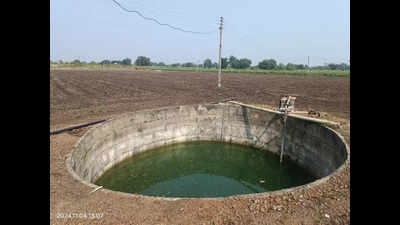
Villagers Unite to Raise ₹45 Lakh for Water Solutions in Vadgam