
Health
Routine Childhood Vaccinations Safe, No Link to Epilepsy Risk

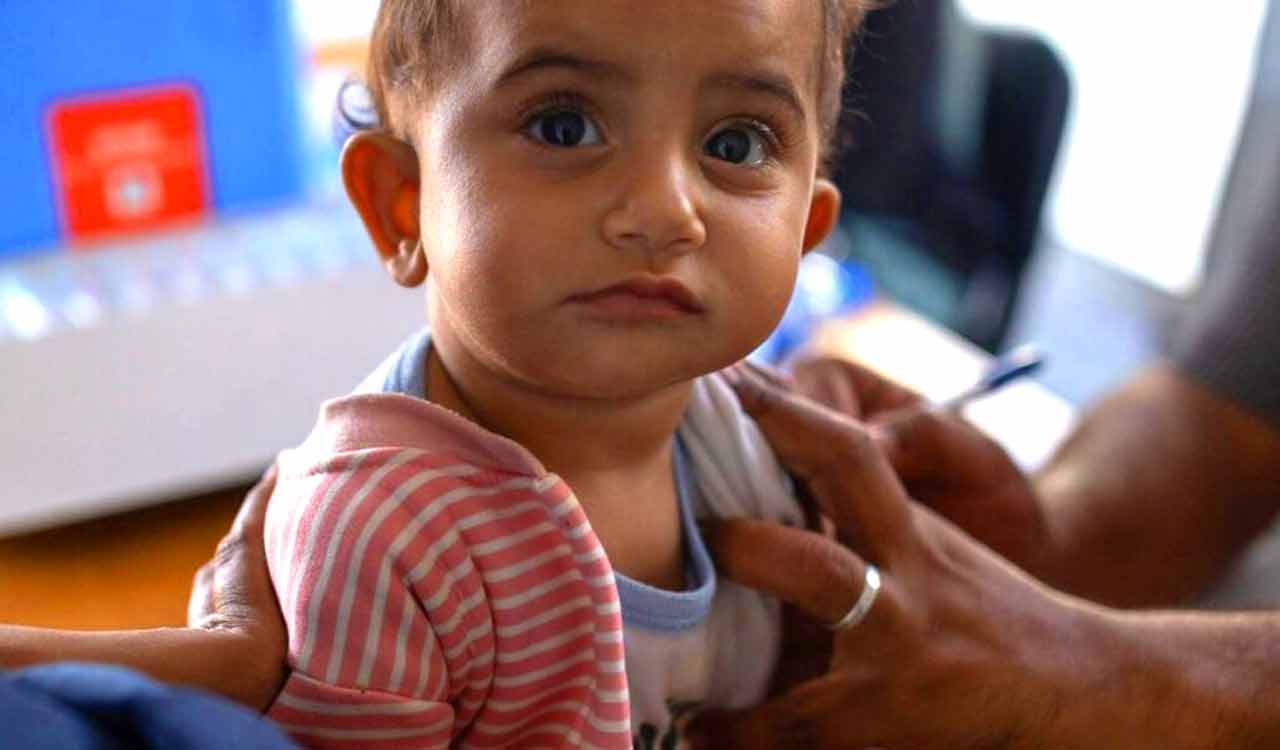
Routine childhood vaccinations do not increase the risk of epilepsy in young children, according to a study led by the US Centers for Disease Control and Prevention (CDC). The findings, published in The Journal of Pediatrics, provide additional reassurance regarding the safety of immunizations, especially amid rising concerns about vaccine side effects.
The extensive research examined data from 2,089 children diagnosed with epilepsy, aged between one and less than four years. These children were compared with 20,139 age- and sex-matched children who did not have epilepsy. The study concluded that there was no significant association between vaccination status and the likelihood of developing epilepsy.
Key Findings on Vaccine Safety
The research evaluated the cumulative aluminum exposure from vaccine adjuvants, specifically aluminum salts such as aluminum hydroxide and aluminum phosphate. These compounds enhance the immune response but have previously raised safety concerns. The study revealed that both vaccination status and aluminum exposure were not linked to an increased risk of epilepsy.
“Incident epilepsy was not associated with up-to-date vaccination status or cumulative vaccine aluminum exposure among children less than four years of age,” stated the research team, which included experts from the Marshfield Clinic Research Institute in Wisconsin, USA.
The majority of the children studied were boys, making up 54 percent, with 69 percent between the ages of one and 23 months. Researchers noted that children with pre-existing risk factors for epilepsy, such as those born prematurely or with underlying medical conditions, exhibited significantly higher odds of developing the condition.
Implications for Public Health
While the study did identify a subgroup of very young infants (aged one to two months) who received vaccines containing a specific adjuvant combination, the odds of an epilepsy diagnosis in this group were not statistically significant. This nuanced finding indicates the need for ongoing monitoring while reinforcing the overall safety of the childhood vaccination schedule.
The researchers emphasized that “the adjusted odds ratios for both measures did not exceed 1.0,” indicating no heightened risk associated with vaccines. They concluded, “Overall, this study provides additional reassurance on the safety of the childhood vaccine schedule at a time when vaccination coverage has declined in some populations.”
These results may assist healthcare providers in addressing parental concerns regarding potential risks associated with childhood vaccinations. The study highlights the importance of maintaining immunization rates to protect public health, particularly as misinformation about vaccines continues to circulate.

Albert Camus’ Insightful Quote on Human Identity Resurfaces

Drone Strikes and Missile Attacks Disrupt UAE Amid Rising Tensions

Japanese Yen Rises Sharply Against US Dollar Ahead of Key Decisions

Priyanka Chopra and Nick Jonas Avoid Near Miss en Route to Oscars

Gujarat Vaccinates Over 11 Lakh Infants in Major Health Drive

Alexandre Singh Wins Oscar, Celebrates Immigrant Heritage

Lok Sabha Speaker Issues Warning Over Placards in Parliament

Global Electrosurgical Devices Market Expands to $10.2 Billion by 2034

North Zone Dominates Cricket; SJAM-1 Shines in Table Tennis

SBI Announces QIP Floor Price at ₹811.05 Per Share

Cept Unveils ₹3.1 Crore Urban Mobility Plan for Sustainable Growth

New Blood Group Discovered in South Indian Woman at Rotary Centre

Konkani Cultural Organisation to Host Pearl Jubilee in Abu Dhabi

Torrential Rains Cause Flash Flooding in New York and New Jersey

Nothing Headphone 1 Review: A Bold Contender in Audio Design

Indian Stock Market Rebounds: Sensex and Nifty Rise After Four-Day Decline

Air India Crash Investigation Highlights Boeing Fuel Switch Concerns

Broad Advocates for Bowling Change Ahead of Final Test Against India
-
 World12 months ago
SBI Announces QIP Floor Price at ₹811.05 Per Share
-
 Lifestyle12 months ago
Cept Unveils ₹3.1 Crore Urban Mobility Plan for Sustainable Growth
-
 Science12 months ago
New Blood Group Discovered in South Indian Woman at Rotary Centre
-
 Top Stories12 months ago
Konkani Cultural Organisation to Host Pearl Jubilee in Abu Dhabi
-
 World12 months ago
Torrential Rains Cause Flash Flooding in New York and New Jersey
-
 Science12 months ago
Nothing Headphone 1 Review: A Bold Contender in Audio Design
-
 Business12 months ago
Indian Stock Market Rebounds: Sensex and Nifty Rise After Four-Day Decline
-
 Top Stories12 months ago
Air India Crash Investigation Highlights Boeing Fuel Switch Concerns
-
 Sports12 months ago
Broad Advocates for Bowling Change Ahead of Final Test Against India
-

 Sports12 months ago
Cristian Totti Retires at 19: Pressure of Fame Takes Toll
-

 Politics12 months ago
Abandoned Doberman Finds New Home After Journey to Prague
-
 Lifestyle12 months ago
Villagers Unite to Raise ₹45 Lakh for Water Solutions in Vadgam