
Health
Rising Cancer Costs in India Burden Families, Study Reveals

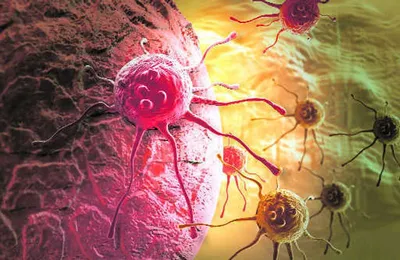
The financial burden of cancer treatment in India is escalating, according to a recent study published in the Lancet. Findings reveal that out-of-pocket expenses for cancer care in private hospitals range from Rs 39,085 to Rs 93,000 per hospitalisation. This is striking when compared to the average monthly labour income of Rs 11,233. Despite the existence of the Ayushman Bharat Pradhan Mantri Jan Arogya Yojana, which offers coverage of up to Rs 5 lakh per family annually, many families still face catastrophic health costs.
The study, titled “Intersectionality of cancer disparities in South Asia,” highlights the severe restrictions on cancer care access due to poverty and income inequality in low- and middle-income countries, including India, Nepal, Bangladesh, and Pakistan. The South Asian Association for Regional Cooperation (SAARC) region accounts for 9.3 percent of new cancer diagnoses globally and bears 12 percent of total disease-related deaths.
In India and Nepal, marginalized populations, such as Dalits and ethnic minorities, encounter systemic barriers stemming from sociopolitical discrimination and the legacy of the caste system. The report notes, “In India, Dalits have some of the worst health outcomes. As many as 22 affirmative action policies have been implemented to reduce these disparities in public services, but their effect on healthcare remains minimal due to poor implementation.” Discrimination against low-caste communities continues to limit their access to essential healthcare services, perpetuating inter-generational health challenges.
Cancer awareness is alarmingly low in rural northern India. A study cited in the report found that only 20.6 percent of participants understood that breast cancer is the most common cancer in the country. Additionally, over half of the respondents were unaware of key warning signs that should prompt medical attention. While 71.6 percent recognized tobacco as a risk factor, awareness of other cancer risks was significantly lower.
Furthermore, India faces a high burden of cervical cancer, with approximately 132,000 new cases and 74,000 deaths annually. Cultural factors, such as early marriage, stigma surrounding sexual health, and limited access to HPV vaccination, exacerbate this public health issue. The report indicates that only 2 percent of Indian women aged 30–49 undergo screening for cervical cancer.
The study involved researchers from several reputable institutions, including Virginia Tech Carilion School of Medicine, Memorial Sloan Kettering Cancer Center, Tata Memorial Centre, and Homi Bhabha National Institute. Importantly, the study also highlights that individuals of diverse sexual orientations and gender identities, particularly those from the LGBTQ+ community, report high rates of mental health issues and increased susceptibility to diseases like HIV, which further amplifies their cancer risk.
Addressing the urgent need for improved cancer care access and awareness in India is critical, as the country grapples with a growing cancer crisis that disproportionately affects its most vulnerable populations.

Albert Camus’ Insightful Quote on Human Identity Resurfaces

Drone Strikes and Missile Attacks Disrupt UAE Amid Rising Tensions

Japanese Yen Rises Sharply Against US Dollar Ahead of Key Decisions

Priyanka Chopra and Nick Jonas Avoid Near Miss en Route to Oscars

Gujarat Vaccinates Over 11 Lakh Infants in Major Health Drive

Alexandre Singh Wins Oscar, Celebrates Immigrant Heritage

Lok Sabha Speaker Issues Warning Over Placards in Parliament

Global Electrosurgical Devices Market Expands to $10.2 Billion by 2034

North Zone Dominates Cricket; SJAM-1 Shines in Table Tennis

SBI Announces QIP Floor Price at ₹811.05 Per Share

Cept Unveils ₹3.1 Crore Urban Mobility Plan for Sustainable Growth

New Blood Group Discovered in South Indian Woman at Rotary Centre

Konkani Cultural Organisation to Host Pearl Jubilee in Abu Dhabi

Torrential Rains Cause Flash Flooding in New York and New Jersey

Nothing Headphone 1 Review: A Bold Contender in Audio Design

Indian Stock Market Rebounds: Sensex and Nifty Rise After Four-Day Decline

Air India Crash Investigation Highlights Boeing Fuel Switch Concerns

Broad Advocates for Bowling Change Ahead of Final Test Against India
-
 World12 months ago
SBI Announces QIP Floor Price at ₹811.05 Per Share
-
 Lifestyle12 months ago
Cept Unveils ₹3.1 Crore Urban Mobility Plan for Sustainable Growth
-
 Science12 months ago
New Blood Group Discovered in South Indian Woman at Rotary Centre
-
 Top Stories12 months ago
Konkani Cultural Organisation to Host Pearl Jubilee in Abu Dhabi
-
 World12 months ago
Torrential Rains Cause Flash Flooding in New York and New Jersey
-
 Science12 months ago
Nothing Headphone 1 Review: A Bold Contender in Audio Design
-
 Business12 months ago
Indian Stock Market Rebounds: Sensex and Nifty Rise After Four-Day Decline
-
 Top Stories12 months ago
Air India Crash Investigation Highlights Boeing Fuel Switch Concerns
-
 Sports12 months ago
Broad Advocates for Bowling Change Ahead of Final Test Against India
-

 Sports12 months ago
Cristian Totti Retires at 19: Pressure of Fame Takes Toll
-

 Politics12 months ago
Abandoned Doberman Finds New Home After Journey to Prague
-

 Lifestyle12 months ago
Villagers Unite to Raise ₹45 Lakh for Water Solutions in Vadgam