
Health
Nutrition Bars: Assessing Health Benefits and Key Choices

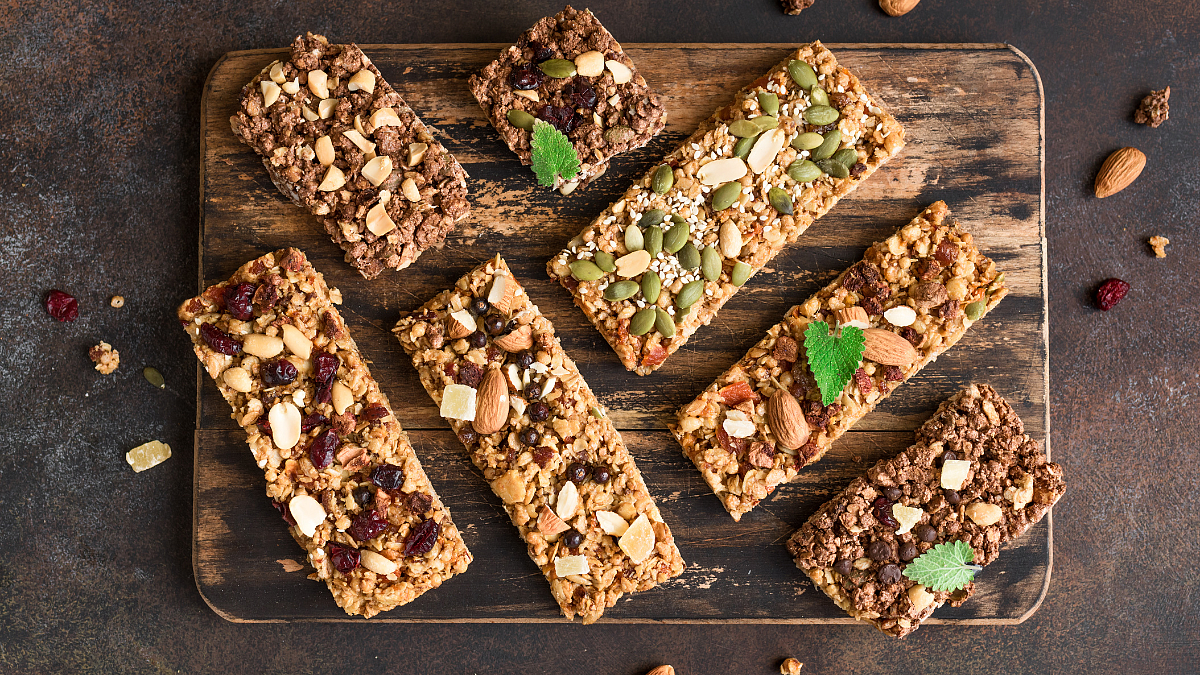
Nutrition bars have gained popularity as convenient snacks, especially for those leading busy lifestyles. These bars, when crafted with natural ingredients, can provide essential nutrients and energy. Understanding the benefits of nutrition bars and how to select the right ones is crucial for making informed dietary choices.
Benefits of Nutrition Bars
Nutrition bars are often made from a variety of wholesome ingredients, such as dried fruits, nuts, grains, and natural sweeteners. They offer several benefits that can support a balanced diet.
Convenience is one of the primary advantages of nutrition bars. They are easy to carry, making them an ideal option for individuals who may not have time for a sit-down meal. Whether during a hectic workday or while traveling, these bars can help bridge the gap.
In terms of nutritional value, a well-formulated nutrition bar serves as a good source of essential nutrients. Many bars are designed to meet specific health needs, providing a blend of protein, fiber, and healthy fats. A quality nutrition bar typically contains around 10 grams of protein to help maintain energy and muscle health.
Moreover, nutrition bars can serve as meal replacements, offering a healthy way to boost energy levels. However, potential consumers should be mindful of certain factors before making a purchase.
Choosing the Right Nutrition Bar
When selecting a nutrition bar, it is important to examine its nutritional profile. Look for bars that contain a minimum of 10 grams of protein and less than 10 grams of sugar. High sugar levels often indicate the presence of artificial sweeteners, which may not align with health goals. Additionally, a nutritious bar should provide at least 3 grams of fiber and fall within the range of 150-250 calories.
The ingredients list is another critical aspect. Consumers should prioritize bars made with whole ingredients such as seeds, grains, and nuts. Avoid products that contain artificial additives, colors, or sweeteners, as these can detract from the overall health benefits.
It is also vital to read labels carefully. Many bars may contain allergens like peanuts or almonds, which can pose risks for individuals with sensitivities. Understanding personal dietary requirements can guide consumers in making the best choices.
Patanjali, a well-known brand, offers a range of nutrition bars infused with Ayurvedic ingredients. Their products include the Patanjali Immunity Bar, weighing 35 grams. This gluten-free option is designed to enhance immunity and contains ingredients such as wheat flakes, rice flakes, rolled oats, and turmeric powder.
Another product, the Patanjali Herbal Health Food Bar, serves as a meal substitute, combining proteins, carbohydrates, and helpful herbs. Its formulation includes oats, pumpkin seeds, and various nuts, making it a complete nutritional option.
For those seeking a protein-rich option, the Patanjali Classic Herbal Protein Bar also weighs 35 grams. This bar is particularly beneficial for athletes and fitness enthusiasts, being rich in antioxidants and Omega-3 fatty acids.
In conclusion, making informed choices about nutrition bars involves understanding their benefits and carefully selecting products that align with health objectives. By prioritizing quality ingredients and appropriate nutritional content, consumers can effectively incorporate these convenient snacks into their diets.

Albert Camus’ Insightful Quote on Human Identity Resurfaces

Drone Strikes and Missile Attacks Disrupt UAE Amid Rising Tensions

Japanese Yen Rises Sharply Against US Dollar Ahead of Key Decisions

Priyanka Chopra and Nick Jonas Avoid Near Miss en Route to Oscars

Gujarat Vaccinates Over 11 Lakh Infants in Major Health Drive

Alexandre Singh Wins Oscar, Celebrates Immigrant Heritage

Lok Sabha Speaker Issues Warning Over Placards in Parliament

Global Electrosurgical Devices Market Expands to $10.2 Billion by 2034

North Zone Dominates Cricket; SJAM-1 Shines in Table Tennis

SBI Announces QIP Floor Price at ₹811.05 Per Share

Cept Unveils ₹3.1 Crore Urban Mobility Plan for Sustainable Growth

New Blood Group Discovered in South Indian Woman at Rotary Centre

Konkani Cultural Organisation to Host Pearl Jubilee in Abu Dhabi

Torrential Rains Cause Flash Flooding in New York and New Jersey

Nothing Headphone 1 Review: A Bold Contender in Audio Design

Indian Stock Market Rebounds: Sensex and Nifty Rise After Four-Day Decline

Air India Crash Investigation Highlights Boeing Fuel Switch Concerns

Broad Advocates for Bowling Change Ahead of Final Test Against India
-
 World12 months ago
SBI Announces QIP Floor Price at ₹811.05 Per Share
-
 Lifestyle12 months ago
Cept Unveils ₹3.1 Crore Urban Mobility Plan for Sustainable Growth
-
 Science12 months ago
New Blood Group Discovered in South Indian Woman at Rotary Centre
-
 Top Stories12 months ago
Konkani Cultural Organisation to Host Pearl Jubilee in Abu Dhabi
-
 World12 months ago
Torrential Rains Cause Flash Flooding in New York and New Jersey
-
 Science12 months ago
Nothing Headphone 1 Review: A Bold Contender in Audio Design
-
 Business12 months ago
Indian Stock Market Rebounds: Sensex and Nifty Rise After Four-Day Decline
-
 Top Stories12 months ago
Air India Crash Investigation Highlights Boeing Fuel Switch Concerns
-
 Sports12 months ago
Broad Advocates for Bowling Change Ahead of Final Test Against India
-

 Sports12 months ago
Cristian Totti Retires at 19: Pressure of Fame Takes Toll
-

 Politics12 months ago
Abandoned Doberman Finds New Home After Journey to Prague
-

 Lifestyle12 months ago
Villagers Unite to Raise ₹45 Lakh for Water Solutions in Vadgam