
Health
Mediterranean Diet Linked to Significant Stroke and Heart Disease Risk Reduction

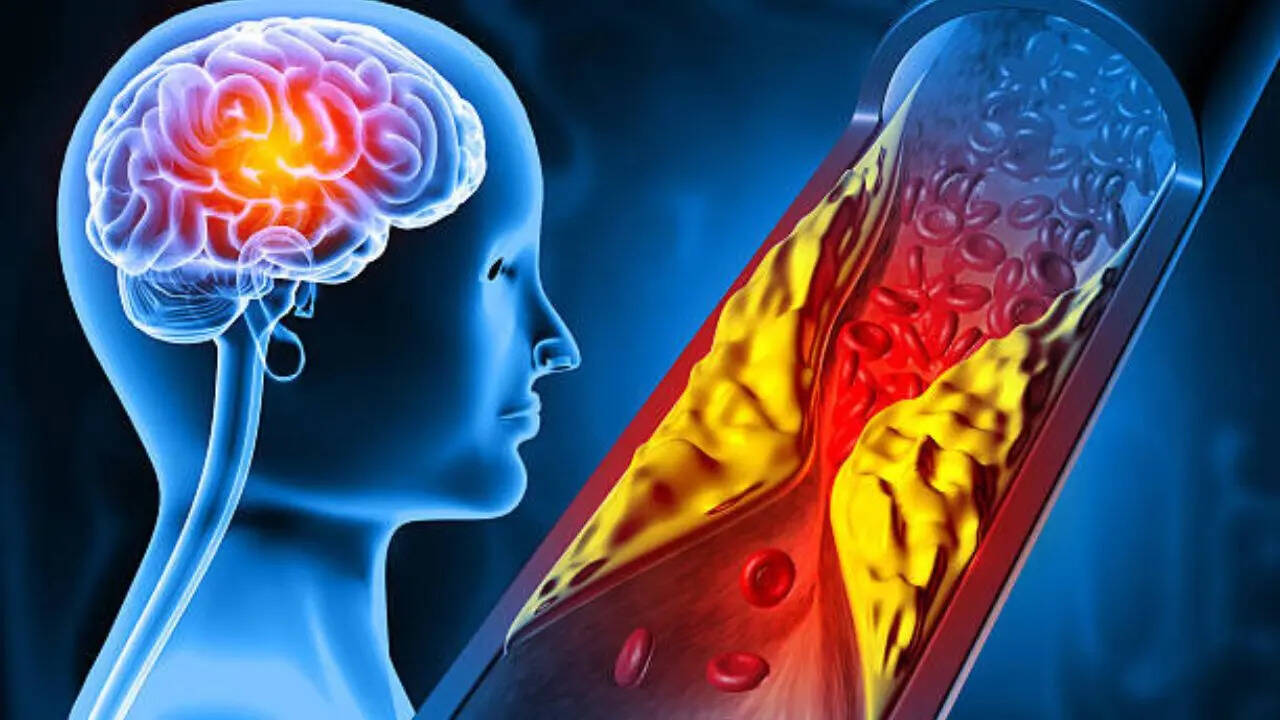
Research has established a strong connection between adherence to the Mediterranean diet and a reduced risk of stroke and heart disease. A recent study published in the journal Neurology Open Access reveals that women who closely follow this eating pattern may experience an 18 percent lower risk of any type of stroke. Specifically, those adhering to the Mediterranean diet have a 16 percent lower risk of ischemic strokes, which are caused by blood clots, and a more than 25 percent lower risk of hemorrhagic strokes, resulting from bleeding in the brain.
Dr. Sophia Wang, a senior researcher and professor of epidemiology at the City of Hope Comprehensive Cancer Center in California, emphasized the importance of these findings. “Our findings support the mounting evidence that a healthy diet is critical to stroke prevention,” she stated. Dr. Wang noted the significance of the study’s focus on hemorrhagic strokes, an area that has seen limited large-scale research.
Study Overview and Methodology
The study analyzed data from a long-term investigation involving over 133,000 female teachers and administrators in California, tracking their health since 1995. Each participant completed a comprehensive dietary questionnaire upon entering the study. The Mediterranean diet, characterized by a high intake of fresh fruits, vegetables, lean meats, nuts, seeds, and olive oil, is recommended for consumption at least twice a week. It encourages limited intake of red meats and processed foods while promoting smaller daily portions of dairy and lean proteins.
Participants were scored on their adherence to the Mediterranean diet, with scores ranging from 0 to 9. Around 30 percent of the women achieved scores of 6 to 9, indicating high adherence, while approximately 13 percent scored between 0 and 2.
Stroke Incidence and Findings
After a follow-up period of 21 years, nearly 4,000 strokes were reported among the participants. Within the highest adherence group, there were 1,058 ischemic strokes among 31,638 women, compared to 395 cases in the lowest adherence group of 13,204 women. The data for hemorrhagic strokes showed 211 strokes in the highest group versus 91 strokes in the lowest.
Even after adjusting for additional risk factors, the study revealed that following the Mediterranean diet significantly reduced women’s stroke risk. “Stroke is a leading cause of death and disability, so it’s exciting to think that improving our diets could lessen our risk for this devastating disease,” Dr. Wang remarked. She emphasized the need for further studies to confirm these findings and to explore the underlying mechanisms.
The Mediterranean diet’s protective effects against stroke are believed to stem from several biological processes that enhance blood vessel health. It has been shown to improve blood pressure, lower bad cholesterol levels, regulate blood sugar, reduce chronic inflammation, and minimize the risk of dangerous blood clotting.
As the evidence mounts, this research highlights the potential of dietary choices in promoting long-term health and preventing serious medical conditions such as stroke and heart disease.

Albert Camus’ Insightful Quote on Human Identity Resurfaces

Drone Strikes and Missile Attacks Disrupt UAE Amid Rising Tensions

Japanese Yen Rises Sharply Against US Dollar Ahead of Key Decisions

Priyanka Chopra and Nick Jonas Avoid Near Miss en Route to Oscars

Gujarat Vaccinates Over 11 Lakh Infants in Major Health Drive

Alexandre Singh Wins Oscar, Celebrates Immigrant Heritage

Lok Sabha Speaker Issues Warning Over Placards in Parliament

Global Electrosurgical Devices Market Expands to $10.2 Billion by 2034

North Zone Dominates Cricket; SJAM-1 Shines in Table Tennis

SBI Announces QIP Floor Price at ₹811.05 Per Share

Cept Unveils ₹3.1 Crore Urban Mobility Plan for Sustainable Growth

New Blood Group Discovered in South Indian Woman at Rotary Centre

Konkani Cultural Organisation to Host Pearl Jubilee in Abu Dhabi

Torrential Rains Cause Flash Flooding in New York and New Jersey

Nothing Headphone 1 Review: A Bold Contender in Audio Design

Indian Stock Market Rebounds: Sensex and Nifty Rise After Four-Day Decline

Air India Crash Investigation Highlights Boeing Fuel Switch Concerns

Broad Advocates for Bowling Change Ahead of Final Test Against India
-
 World12 months ago
SBI Announces QIP Floor Price at ₹811.05 Per Share
-
 Lifestyle1 year ago
Cept Unveils ₹3.1 Crore Urban Mobility Plan for Sustainable Growth
-
 Science12 months ago
New Blood Group Discovered in South Indian Woman at Rotary Centre
-
 Top Stories1 year ago
Konkani Cultural Organisation to Host Pearl Jubilee in Abu Dhabi
-
 World1 year ago
Torrential Rains Cause Flash Flooding in New York and New Jersey
-
 Science1 year ago
Nothing Headphone 1 Review: A Bold Contender in Audio Design
-
 Business1 year ago
Indian Stock Market Rebounds: Sensex and Nifty Rise After Four-Day Decline
-
 Top Stories1 year ago
Air India Crash Investigation Highlights Boeing Fuel Switch Concerns
-
 Sports12 months ago
Broad Advocates for Bowling Change Ahead of Final Test Against India
-

 Sports12 months ago
Cristian Totti Retires at 19: Pressure of Fame Takes Toll
-

 Politics12 months ago
Abandoned Doberman Finds New Home After Journey to Prague
-

 Lifestyle1 year ago
Villagers Unite to Raise ₹45 Lakh for Water Solutions in Vadgam