
Health
Health Budget Fails to Meet Promises, Warns Jan Arogya Abhiyan

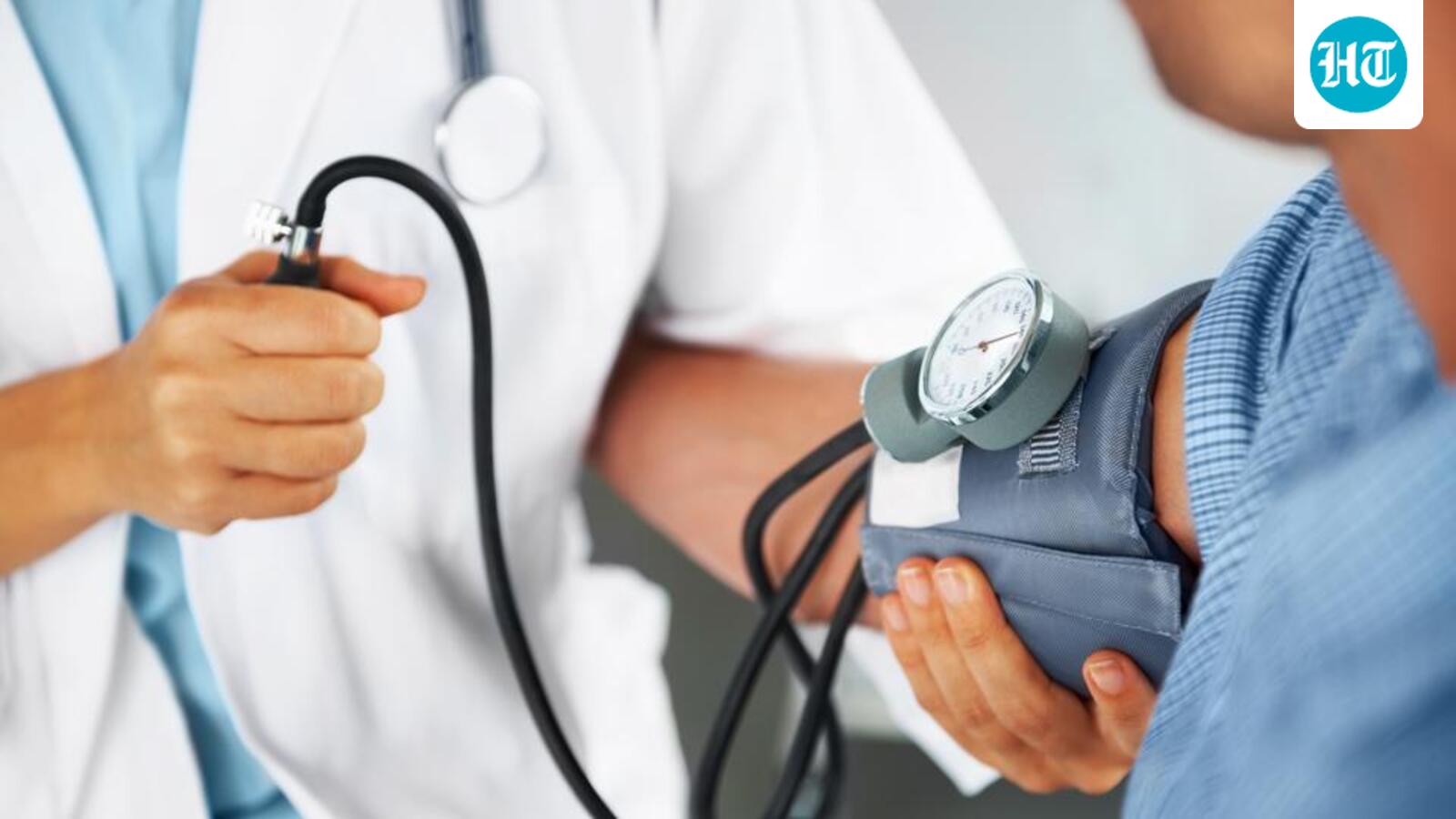
The Union health budget for 2026–27 has been criticized for not fulfilling commitments outlined in the National Health Policy, according to the Jan Arogya Abhiyan (JAA), a coalition of health rights organizations, people’s movements, and civil society groups. The coalition emphasizes that the budget neglects essential public healthcare services, falling significantly short of the promised funding levels.
Under the guidelines established by the 2017 National Health Policy, government health expenditure was expected to rise from 1.15% of GDP to 2.5% by 2025, with the Central government contributing at least 1% of GDP. In stark contrast, JAA notes that the current central health budget accounts for only 0.27% of GDP, approximately one-fourth of the promised target. The coalition highlighted that Central spending has stagnated around 0.3% of GDP for the past five years.
The Ministry of Health and Family Welfare has received an allocation of just over ₹ 1 lakh crore, reflecting a modest 6% increase from the previous year. However, JAA argues that when adjusted for inflation, this increase is virtually negligible. The coalition asserts that health spending should constitute at least 5% of the Union budget, yet it currently stands at just 2%. As a result, public health services are likely to remain inadequate, leaving free, quality healthcare out of reach for many in the poor and middle-class categories.
In its statement, JAA also raised alarms about declining funding for the National Health Mission (NHM), which is critical for both rural and urban primary healthcare. Since the fiscal year 2021–22, NHM funding has decreased, with the current budget reflecting a 19% reduction in real terms. Health activist Kajal Jain remarked, “Actual spending has often exceeded budgeted amounts, indicating far greater unmet need.”
The coalition contends that rather than bolstering public hospitals, the government appears to be favoring insurance-based schemes, notably the Pradhan Mantri Jan Arogya Yojana (PM-JAY). Despite a slight overspend of ₹ 6,983 crore on PM-JAY during the fiscal year 2024–25 against its ₹ 7,500 crore allocation, funding for the scheme has been increased by 36% in the new budget. Activist Dr. Anant Phadke pointed out that “evidence from India and abroad shows that insurance schemes do not ensure universal healthcare, and CAG reports have flagged serious irregularities.”
While JAA acknowledged certain positive measures, such as customs duty exemptions on 17 cancer drugs and the establishment of trauma centres in district hospitals, the coalition expressed that these initiatives are inadequate. “Rising medical expenses are pushing families into debt and poverty. This budget offers almost no relief to the poor and middle class,” the organization concluded.
As the debate over health spending continues, the JAA’s concerns highlight a significant challenge in achieving equitable healthcare access in India. The coalition’s call for increased funding and support for public health services underlines the urgent need for policy adherence and greater commitment from the government to fulfill the health needs of its population.

Albert Camus’ Insightful Quote on Human Identity Resurfaces

Drone Strikes and Missile Attacks Disrupt UAE Amid Rising Tensions

Japanese Yen Rises Sharply Against US Dollar Ahead of Key Decisions

Priyanka Chopra and Nick Jonas Avoid Near Miss en Route to Oscars

Gujarat Vaccinates Over 11 Lakh Infants in Major Health Drive

Alexandre Singh Wins Oscar, Celebrates Immigrant Heritage

Lok Sabha Speaker Issues Warning Over Placards in Parliament

Global Electrosurgical Devices Market Expands to $10.2 Billion by 2034

North Zone Dominates Cricket; SJAM-1 Shines in Table Tennis

SBI Announces QIP Floor Price at ₹811.05 Per Share

Cept Unveils ₹3.1 Crore Urban Mobility Plan for Sustainable Growth

New Blood Group Discovered in South Indian Woman at Rotary Centre

Konkani Cultural Organisation to Host Pearl Jubilee in Abu Dhabi

Torrential Rains Cause Flash Flooding in New York and New Jersey

Nothing Headphone 1 Review: A Bold Contender in Audio Design

Indian Stock Market Rebounds: Sensex and Nifty Rise After Four-Day Decline

Air India Crash Investigation Highlights Boeing Fuel Switch Concerns

Broad Advocates for Bowling Change Ahead of Final Test Against India
-
 World12 months ago
SBI Announces QIP Floor Price at ₹811.05 Per Share
-
 Lifestyle1 year ago
Cept Unveils ₹3.1 Crore Urban Mobility Plan for Sustainable Growth
-
 Science12 months ago
New Blood Group Discovered in South Indian Woman at Rotary Centre
-
 Top Stories1 year ago
Konkani Cultural Organisation to Host Pearl Jubilee in Abu Dhabi
-
 World1 year ago
Torrential Rains Cause Flash Flooding in New York and New Jersey
-
 Science1 year ago
Nothing Headphone 1 Review: A Bold Contender in Audio Design
-
 Business1 year ago
Indian Stock Market Rebounds: Sensex and Nifty Rise After Four-Day Decline
-
 Top Stories1 year ago
Air India Crash Investigation Highlights Boeing Fuel Switch Concerns
-
 Sports12 months ago
Broad Advocates for Bowling Change Ahead of Final Test Against India
-

 Sports12 months ago
Cristian Totti Retires at 19: Pressure of Fame Takes Toll
-

 Politics12 months ago
Abandoned Doberman Finds New Home After Journey to Prague
-
 Lifestyle1 year ago
Villagers Unite to Raise ₹45 Lakh for Water Solutions in Vadgam