
Health
Desk Jobs Impact Gut Health: Expert Reveals Key Solutions

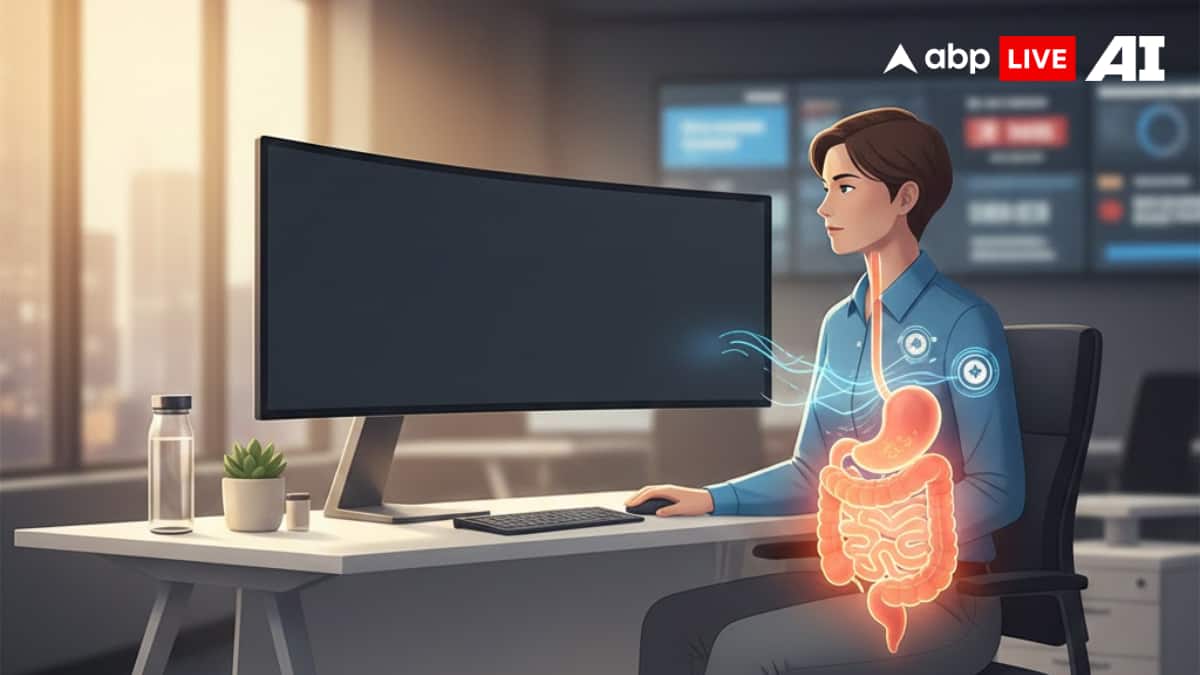
Many individuals working in desk jobs are unaware of the hidden effects their sedentary routines have on their gut health. According to Dr Harshad Khairnar, a consultant in gastroenterology at Fortis Hiranandani Hospital, prolonged sitting can lead to digestive issues that manifest as discomfort, bloating, and fatigue. As modern work life often involves long hours in front of screens, it is crucial to understand how these habits impact overall well-being.
The gut is not merely a digestive organ; it plays a significant role in regulating energy levels, mood, immunity, and cognitive function. When individuals sit for extended periods, the muscles responsible for digestion become sluggish, leading to a slowdown in the digestive process. This can result in symptoms like gas and constipation. It is essential to recognize that the discomfort experienced at the end of the workday is not solely due to stress; rather, it is a direct consequence of a lack of movement.
Understanding the Gut Microbiome
The gut microbiome is home to a diverse array of beneficial bacteria that aid digestion and nutrient absorption. When a person’s activity level declines, this delicate ecosystem can be disrupted. Beneficial bacteria may decrease in number, while those that contribute to discomfort can proliferate. This imbalance can lead to feelings of heaviness and lethargy. The post-work slump many experience may signal a need for more movement, hydration, and better dietary choices.
Fortunately, improving gut health does not necessitate drastic lifestyle changes. Simple, manageable adjustments can make a significant difference even for those with demanding schedules.
Simple Strategies for Enhancing Gut Health
One effective strategy is to break up long periods of sitting. Small actions, such as standing up every 30 minutes, stretching, or walking around the office, can stimulate digestive muscles and promote smoother digestion. These brief movements not only benefit the gut but also enhance focus and combat midday fatigue.
Maintaining proper hydration is another vital aspect of gut health. Drinking water throughout the day can help prevent bloating and constipation. Additionally, opting for lighter, more frequent meals instead of heavier, infrequent ones can ease the digestive burden. Incorporating fiber-rich foods like fruits, nuts, salads, and whole grains can further support regular digestion and overall gut health.
Ultimately, fostering a healthier gut involves making conscious choices every day. Regularly standing, staying hydrated, and being mindful of dietary habits can lead to significant improvements over time. These small, consistent adjustments help the gut function optimally, even within a desk-bound lifestyle.
In conclusion, while the demands of desk jobs can pose challenges to gut health, adopting simple practices can mitigate these effects. With a focus on movement and mindfulness, individuals can combat discomfort and promote a healthier digestive system.
Dr. Harshad Khairnar emphasizes that being proactive about gut health is essential for maintaining energy and overall well-being. By recognizing the importance of movement and hydration, individuals can enhance their quality of life, despite the sedentary nature of their work.
[Disclaimer: The information provided in this article is intended for general informational purposes only and is not a substitute for professional medical advice. Always consult a qualified healthcare provider with any questions regarding a medical condition.]

Albert Camus’ Insightful Quote on Human Identity Resurfaces

Drone Strikes and Missile Attacks Disrupt UAE Amid Rising Tensions

Japanese Yen Rises Sharply Against US Dollar Ahead of Key Decisions

Priyanka Chopra and Nick Jonas Avoid Near Miss en Route to Oscars

Gujarat Vaccinates Over 11 Lakh Infants in Major Health Drive

Alexandre Singh Wins Oscar, Celebrates Immigrant Heritage

Lok Sabha Speaker Issues Warning Over Placards in Parliament

Global Electrosurgical Devices Market Expands to $10.2 Billion by 2034

North Zone Dominates Cricket; SJAM-1 Shines in Table Tennis

SBI Announces QIP Floor Price at ₹811.05 Per Share

Cept Unveils ₹3.1 Crore Urban Mobility Plan for Sustainable Growth

New Blood Group Discovered in South Indian Woman at Rotary Centre

Konkani Cultural Organisation to Host Pearl Jubilee in Abu Dhabi

Torrential Rains Cause Flash Flooding in New York and New Jersey

Nothing Headphone 1 Review: A Bold Contender in Audio Design

Indian Stock Market Rebounds: Sensex and Nifty Rise After Four-Day Decline

Air India Crash Investigation Highlights Boeing Fuel Switch Concerns

Broad Advocates for Bowling Change Ahead of Final Test Against India
-
 World12 months ago
SBI Announces QIP Floor Price at ₹811.05 Per Share
-
 Lifestyle12 months ago
Cept Unveils ₹3.1 Crore Urban Mobility Plan for Sustainable Growth
-
 Science12 months ago
New Blood Group Discovered in South Indian Woman at Rotary Centre
-
 Top Stories12 months ago
Konkani Cultural Organisation to Host Pearl Jubilee in Abu Dhabi
-
 World12 months ago
Torrential Rains Cause Flash Flooding in New York and New Jersey
-
 Science12 months ago
Nothing Headphone 1 Review: A Bold Contender in Audio Design
-
 Business12 months ago
Indian Stock Market Rebounds: Sensex and Nifty Rise After Four-Day Decline
-
 Top Stories12 months ago
Air India Crash Investigation Highlights Boeing Fuel Switch Concerns
-
 Sports12 months ago
Broad Advocates for Bowling Change Ahead of Final Test Against India
-

 Sports12 months ago
Cristian Totti Retires at 19: Pressure of Fame Takes Toll
-

 Politics12 months ago
Abandoned Doberman Finds New Home After Journey to Prague
-

 Lifestyle12 months ago
Villagers Unite to Raise ₹45 Lakh for Water Solutions in Vadgam