
Health
CDC Revamps Childhood Vaccine Schedule: What Parents Must Know

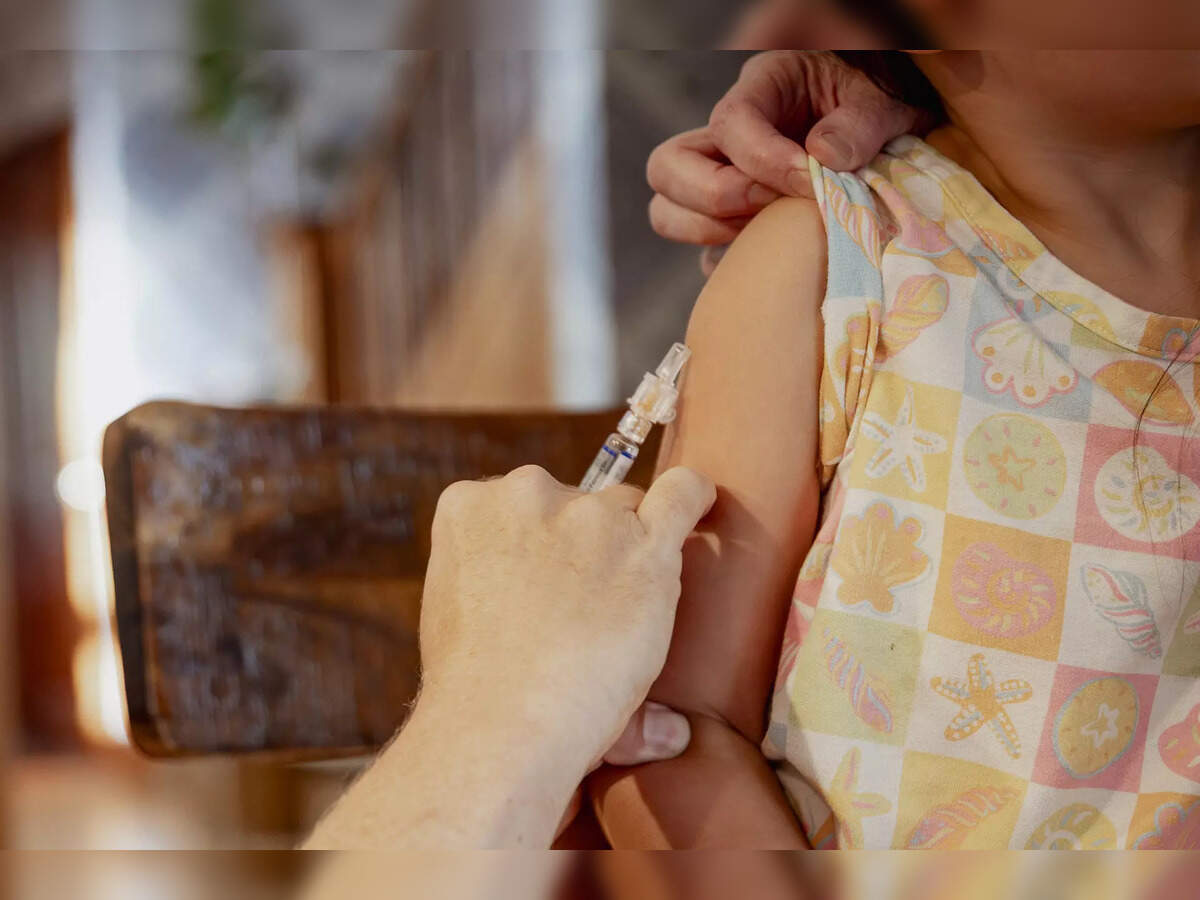
Changes in childhood vaccination guidance have emerged from the Centers for Disease Control and Prevention (CDC), impacting how parents approach their children’s healthcare. The CDC has announced a revised vaccine schedule that reduces the number of shots recommended for children. The update suggests that several vaccines will now only be advised for high-risk children or based on discussions with pediatricians, rather than being automatically included in routine immunizations.
Key Changes in the Vaccine Schedule
The updated guidelines have eliminated the universal recommendation for vaccines against six illnesses: rotavirus, hepatitis A and B, meningitis (meningococcal disease), respiratory syncytial virus (RSV), COVID-19, and influenza. As a result, the number of vaccines suggested for children has decreased from those targeting 18 illnesses to just 11. This change takes effect immediately.
Concerns Over Lack of Independent Review
Secretary of Health and Human Services, Robert F. Kennedy Jr., who has been an advocate for reducing vaccine mandates, stated that the revisions follow an “exhaustive review of the evidence” and mirror practices from other high-income nations. He emphasized that this decision aims to protect children while also respecting parental choices and rebuilding trust in public health systems. Critics, however, have pointed out that these updates were not subjected to independent review, raising concerns about their comprehensive evaluation.
New Vaccine Categories Established
The CDC has introduced a categorization system for childhood vaccines. Vaccines are now divided into three groups: vaccines universally recommended for all children, those advised for at-risk children, and vaccines that require consultation with a pediatrician. Under this new framework, vaccines for rotavirus and influenza are recommended only at the discretion of a healthcare provider. The vaccines still advised for all children include those for measles, mumps, rubella, polio, pertussis, tetanus, diphtheria, Haemophilus influenzae type B (Hib), pneumococcal disease, human papillomavirus (HPV), and varicella (chickenpox).
Medical Experts Warn of Potential Risks
Reactions from medical organizations have been predominantly critical. The American Academy of Pediatrics (AAP) described the updates as “dangerous and unnecessary.” Dr. Molly O’Shea, a pediatrician and AAP spokesperson, highlighted the importance of wellness visits, stating that skipping vaccines may lead to missed opportunities for critical health screenings.
The Infectious Diseases Society of America (IDSA) has also expressed concern, asserting that these changes could jeopardize community health and increase disease prevalence. IDSA President, Dr. Ronald G. Nahass, noted that while disease rates vary internationally, the need for vaccinations in the U.S. remains significant. He pointed out that many other high-income countries benefit from universal healthcare and supportive policies, which contribute to lower disease rates.
Additionally, the American Lung Association has raised alarms over the decision to scale back the universal flu vaccination recommendation, especially in light of record flu cases and pediatric deaths during the previous season. The organization continues to advocate for flu and COVID-19 vaccinations, emphasizing that these are vital tools in preventing severe illness and hospitalizations among children.
Guidance for Parents
In light of these significant changes, medical professionals encourage parents to remain proactive in discussing vaccinations with their pediatricians. The CDC has clarified that these updates are recommendations and not mandates, allowing parents the option to continue with previously recommended vaccinations. Importantly, health insurance coverage for these vaccines will not be affected by the new guidelines.
Dr. O’Shea reiterated the importance of pediatricians as trusted sources of information. She emphasized that the primary goal of healthcare providers is to partner with parents to make informed decisions for their children, urging them to voice any concerns or questions during consultations.
As the conversation around childhood vaccinations evolves, parents are urged to stay informed and engaged in their children’s health decisions, ensuring they continue to prioritize wellness visits and essential vaccinations.

Albert Camus’ Insightful Quote on Human Identity Resurfaces

Drone Strikes and Missile Attacks Disrupt UAE Amid Rising Tensions

Japanese Yen Rises Sharply Against US Dollar Ahead of Key Decisions

Priyanka Chopra and Nick Jonas Avoid Near Miss en Route to Oscars

Gujarat Vaccinates Over 11 Lakh Infants in Major Health Drive

Alexandre Singh Wins Oscar, Celebrates Immigrant Heritage

Lok Sabha Speaker Issues Warning Over Placards in Parliament

Global Electrosurgical Devices Market Expands to $10.2 Billion by 2034

North Zone Dominates Cricket; SJAM-1 Shines in Table Tennis

SBI Announces QIP Floor Price at ₹811.05 Per Share

Cept Unveils ₹3.1 Crore Urban Mobility Plan for Sustainable Growth

New Blood Group Discovered in South Indian Woman at Rotary Centre

Konkani Cultural Organisation to Host Pearl Jubilee in Abu Dhabi

Torrential Rains Cause Flash Flooding in New York and New Jersey

Nothing Headphone 1 Review: A Bold Contender in Audio Design

Indian Stock Market Rebounds: Sensex and Nifty Rise After Four-Day Decline

Air India Crash Investigation Highlights Boeing Fuel Switch Concerns

Broad Advocates for Bowling Change Ahead of Final Test Against India
-
 World12 months ago
SBI Announces QIP Floor Price at ₹811.05 Per Share
-
 Lifestyle12 months ago
Cept Unveils ₹3.1 Crore Urban Mobility Plan for Sustainable Growth
-
 Science12 months ago
New Blood Group Discovered in South Indian Woman at Rotary Centre
-
 Top Stories12 months ago
Konkani Cultural Organisation to Host Pearl Jubilee in Abu Dhabi
-
 World12 months ago
Torrential Rains Cause Flash Flooding in New York and New Jersey
-
 Science12 months ago
Nothing Headphone 1 Review: A Bold Contender in Audio Design
-
 Business12 months ago
Indian Stock Market Rebounds: Sensex and Nifty Rise After Four-Day Decline
-
 Top Stories12 months ago
Air India Crash Investigation Highlights Boeing Fuel Switch Concerns
-
 Sports12 months ago
Broad Advocates for Bowling Change Ahead of Final Test Against India
-

 Sports12 months ago
Cristian Totti Retires at 19: Pressure of Fame Takes Toll
-

 Politics12 months ago
Abandoned Doberman Finds New Home After Journey to Prague
-

 Lifestyle12 months ago
Villagers Unite to Raise ₹45 Lakh for Water Solutions in Vadgam