
Health
Bengaluru Sees Surge in Paediatric Bone Marrow Transplants

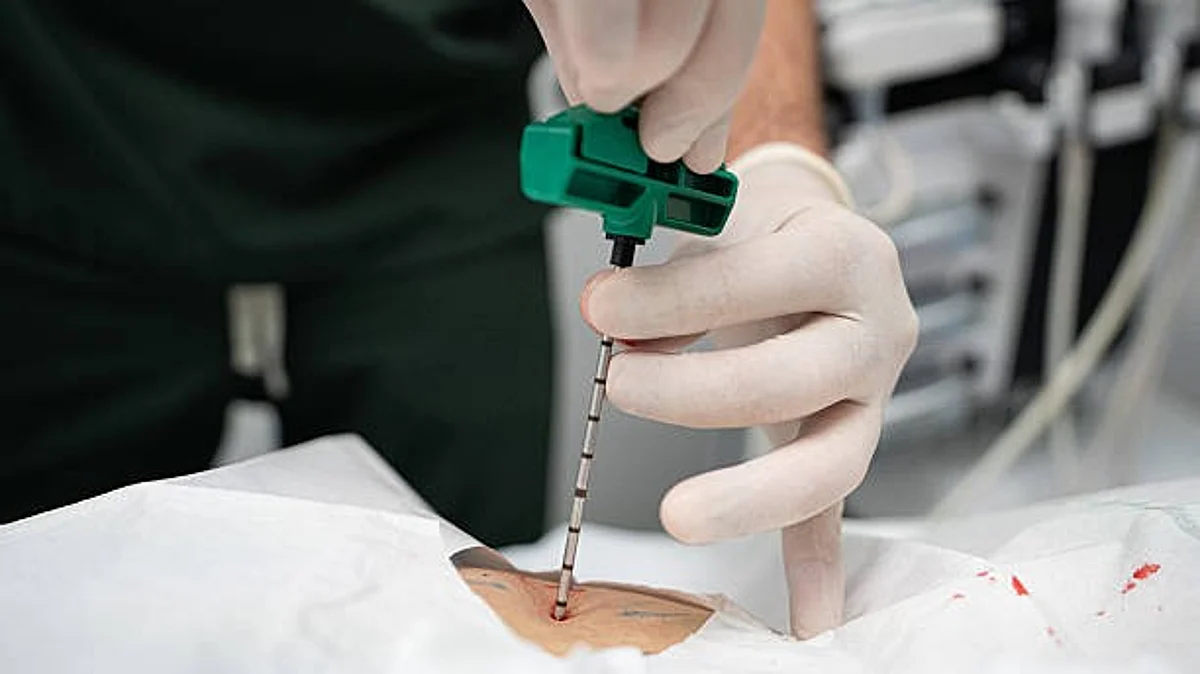
Bengaluru has witnessed a notable increase in the number of bone marrow transplants performed on children, with paediatric cases accounting for approximately 30% to 33% of all procedures. This trend underscores significant deficiencies in screening, genetic counselling, and the affordability of treatment options in the region.
The Kidwai Memorial Institute of Oncology, which launched its bone marrow transplant wing in March 2022, has already conducted 133 transplants. Among these, 44 were performed on paediatric patients, as reported by Dr. Vasundhara Kailasnath, Associate Professor in Bone Marrow Transplant at the hospital. “As many as 44 cases among children are significant. Cancer and other genetic issues are now leading reasons for paediatric transplants,” she stated.
The rise in paediatric transplants reflects broader trends in the healthcare system, where private hospitals report that around 30% to 33% of transplants are conducted on children diagnosed with conditions such as thalassaemia, relapsed leukaemia, and aplastic anaemia. Dr. Rasmi Palassery, a Consultant Medical Oncologist and BMT Physician, noted, “There has been a significant increase in cases since 2021. We did about 10 transplants a year earlier; now we perform over 15. Paediatric transplants have crossed 40% in recent years.”
Challenges in Screening and Treatment Accessibility
Despite the advancements, challenges remain in the areas of screening and treatment access. Dr. Palassery acknowledged the progress made in preventing inherited disorders that necessitate bone marrow transplants, but emphasized that “significant gaps remain.” He advocated for mandatory carrier screening and prenatal diagnosis as essential steps in addressing these deficiencies.
Genetic counselling plays a crucial role in assisting families at risk of genetic disorders. Yet, according to Dr. Prerana Nesargi, a Consultant Paediatric Oncologist and BMT Physician, “Genetic counselling is accessible only to a section of society.” She highlighted that increased availability of genetic screening and counselling, along with prenatal screening, could potentially reduce the need for transplants in the future.
The financial burden of bone marrow procedures poses another barrier, with costs averaging around ₹6 lakh (approximately $7,200 USD) even at state-run hospitals. Dr. Raghuram CP, Senior Consultant in Paediatric Haematology, Oncology, and BMT, remarked, “We help with funding from foundations, crowdsourcing, and CSR funds. Still, some patients cannot proceed due to cost or insurance reasons.”
Calls for Greater Awareness and Support
Healthcare professionals are advocating for increased public awareness regarding bone marrow donation. This push is crucial not only for improving treatment accessibility but also for fostering a supportive community for those affected by blood disorders. As the demand for transplants grows, addressing these challenges will be integral to improving patient outcomes and ensuring that children with life-threatening conditions receive the care they desperately need.
The situation in Bengaluru serves as a reminder of the ongoing need for comprehensive healthcare strategies that encompass screening, counselling, and financial support to enhance the lives of young patients and their families.

Albert Camus’ Insightful Quote on Human Identity Resurfaces

Drone Strikes and Missile Attacks Disrupt UAE Amid Rising Tensions

Japanese Yen Rises Sharply Against US Dollar Ahead of Key Decisions

Priyanka Chopra and Nick Jonas Avoid Near Miss en Route to Oscars

Gujarat Vaccinates Over 11 Lakh Infants in Major Health Drive

Alexandre Singh Wins Oscar, Celebrates Immigrant Heritage

Lok Sabha Speaker Issues Warning Over Placards in Parliament

Global Electrosurgical Devices Market Expands to $10.2 Billion by 2034

North Zone Dominates Cricket; SJAM-1 Shines in Table Tennis

SBI Announces QIP Floor Price at ₹811.05 Per Share

Cept Unveils ₹3.1 Crore Urban Mobility Plan for Sustainable Growth

New Blood Group Discovered in South Indian Woman at Rotary Centre

Konkani Cultural Organisation to Host Pearl Jubilee in Abu Dhabi

Torrential Rains Cause Flash Flooding in New York and New Jersey

Nothing Headphone 1 Review: A Bold Contender in Audio Design

Indian Stock Market Rebounds: Sensex and Nifty Rise After Four-Day Decline

Air India Crash Investigation Highlights Boeing Fuel Switch Concerns

Broad Advocates for Bowling Change Ahead of Final Test Against India
-
 World12 months ago
SBI Announces QIP Floor Price at ₹811.05 Per Share
-
 Lifestyle12 months ago
Cept Unveils ₹3.1 Crore Urban Mobility Plan for Sustainable Growth
-
 Science12 months ago
New Blood Group Discovered in South Indian Woman at Rotary Centre
-
 Top Stories12 months ago
Konkani Cultural Organisation to Host Pearl Jubilee in Abu Dhabi
-
 World12 months ago
Torrential Rains Cause Flash Flooding in New York and New Jersey
-
 Science12 months ago
Nothing Headphone 1 Review: A Bold Contender in Audio Design
-
 Business12 months ago
Indian Stock Market Rebounds: Sensex and Nifty Rise After Four-Day Decline
-
 Top Stories12 months ago
Air India Crash Investigation Highlights Boeing Fuel Switch Concerns
-
 Sports12 months ago
Broad Advocates for Bowling Change Ahead of Final Test Against India
-

 Sports12 months ago
Cristian Totti Retires at 19: Pressure of Fame Takes Toll
-

 Politics12 months ago
Abandoned Doberman Finds New Home After Journey to Prague
-
 Lifestyle12 months ago
Villagers Unite to Raise ₹45 Lakh for Water Solutions in Vadgam