
Health
Bangladesh and Pakistan Face Contraceptive Shortages Amid Economic Strain

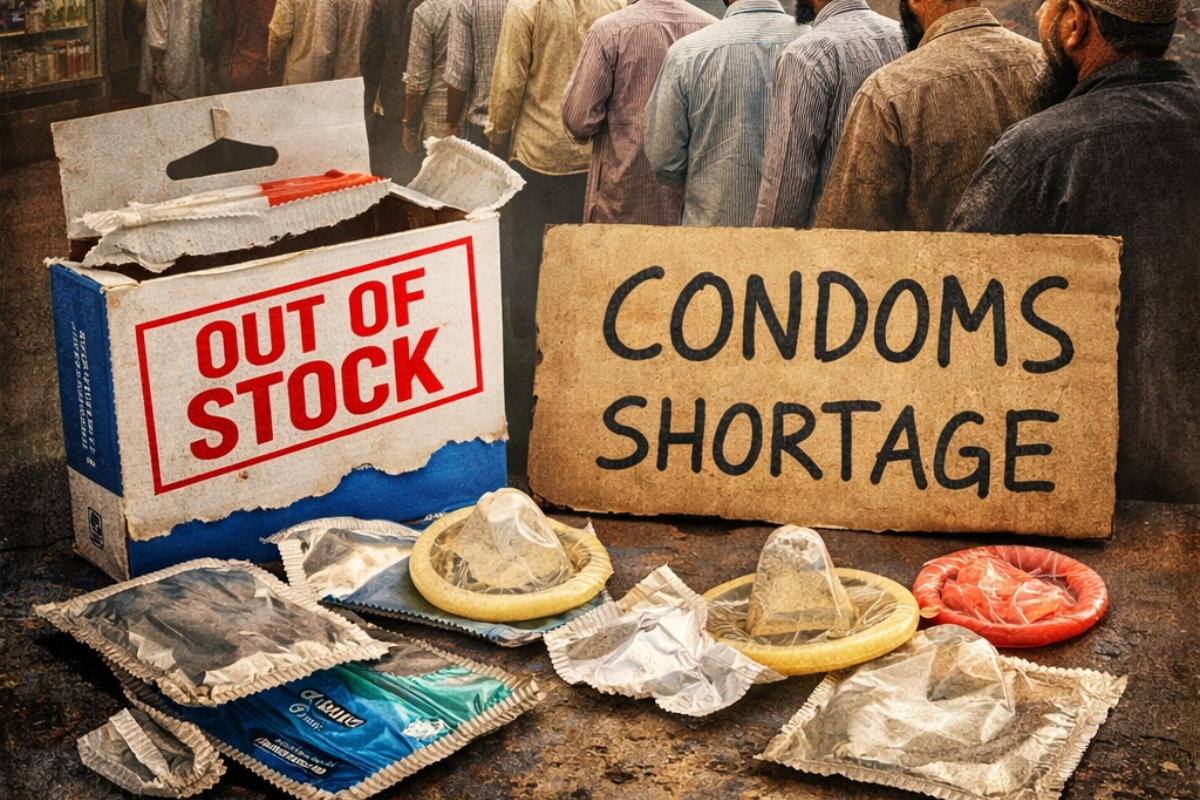
Economic challenges in both Bangladesh and Pakistan have led to significant contraceptive shortages, raising concerns about public health and population management. Reports indicate that while Bangladesh is on the verge of running out of condoms, many in Pakistan find them too expensive due to high taxation.
In Bangladesh, the situation is critical. According to the National Contraceptive Summary Report, the nation’s condom stocks are expected to be depleted within a few weeks. Over the last six years, the country has experienced a staggering 57 percent decline in contraceptive availability. This shortage extends beyond condoms, encompassing various contraceptives such as pills, intrauterine devices (IUDs), injectables, and implants. As of December 11, 2025, government data reveals that available stocks will last only 39 days.
The decline in contraceptive distribution can be attributed to delays in procurement processes and funding shortages faced by the Directorate General of Family Planning. Public health experts warn that an increase in unplanned pregnancies could follow, reversing the progress Bangladesh has made in population control. The nation’s fertility rate has already begun to rise, creating additional concerns regarding maternal health and child nutrition.
In Pakistan, the challenges are different but equally concerning. While condoms are still available, their prices have skyrocketed, making them unaffordable for many. The country imposes an 18 percent General Sales Tax (GST) on condoms and other contraceptives, significantly increasing costs for consumers. Despite the government’s acknowledgment of contraceptives as essential health products, requests for tax relief were denied by the International Monetary Fund, which stated that such concessions could undermine the government’s revenue and fiscal system.
As a result, many low-income families in Pakistan are unable to budget for these crucial health products. Experts warn that this situation may exacerbate the existing high growth rate in the country. The unavailability of condoms also raises the risk of sexually transmitted diseases as both nations grapple with economic and political instability. This could place further strain on already fragile healthcare systems and jeopardize essential public health services.
Both Bangladesh and Pakistan are at a crossroads, facing a potential public health crisis that could have far-reaching implications. As they navigate these challenges, the need for accessible contraceptives becomes increasingly urgent, underscoring the importance of robust healthcare policies and funding to support population management and public health initiatives.

Albert Camus’ Insightful Quote on Human Identity Resurfaces

Drone Strikes and Missile Attacks Disrupt UAE Amid Rising Tensions

Japanese Yen Rises Sharply Against US Dollar Ahead of Key Decisions

Priyanka Chopra and Nick Jonas Avoid Near Miss en Route to Oscars

Gujarat Vaccinates Over 11 Lakh Infants in Major Health Drive

Alexandre Singh Wins Oscar, Celebrates Immigrant Heritage

Lok Sabha Speaker Issues Warning Over Placards in Parliament

Global Electrosurgical Devices Market Expands to $10.2 Billion by 2034

North Zone Dominates Cricket; SJAM-1 Shines in Table Tennis

SBI Announces QIP Floor Price at ₹811.05 Per Share

Cept Unveils ₹3.1 Crore Urban Mobility Plan for Sustainable Growth

New Blood Group Discovered in South Indian Woman at Rotary Centre

Konkani Cultural Organisation to Host Pearl Jubilee in Abu Dhabi

Torrential Rains Cause Flash Flooding in New York and New Jersey

Nothing Headphone 1 Review: A Bold Contender in Audio Design

Indian Stock Market Rebounds: Sensex and Nifty Rise After Four-Day Decline

Air India Crash Investigation Highlights Boeing Fuel Switch Concerns

Broad Advocates for Bowling Change Ahead of Final Test Against India
-
 World12 months ago
SBI Announces QIP Floor Price at ₹811.05 Per Share
-
 Lifestyle12 months ago
Cept Unveils ₹3.1 Crore Urban Mobility Plan for Sustainable Growth
-
 Science12 months ago
New Blood Group Discovered in South Indian Woman at Rotary Centre
-
 Top Stories12 months ago
Konkani Cultural Organisation to Host Pearl Jubilee in Abu Dhabi
-
 World12 months ago
Torrential Rains Cause Flash Flooding in New York and New Jersey
-
 Science12 months ago
Nothing Headphone 1 Review: A Bold Contender in Audio Design
-
 Business12 months ago
Indian Stock Market Rebounds: Sensex and Nifty Rise After Four-Day Decline
-
 Top Stories12 months ago
Air India Crash Investigation Highlights Boeing Fuel Switch Concerns
-
 Sports12 months ago
Broad Advocates for Bowling Change Ahead of Final Test Against India
-

 Sports12 months ago
Cristian Totti Retires at 19: Pressure of Fame Takes Toll
-

 Politics12 months ago
Abandoned Doberman Finds New Home After Journey to Prague
-

 Lifestyle12 months ago
Villagers Unite to Raise ₹45 Lakh for Water Solutions in Vadgam