
Entertainment
Ruffalo Challenges Cameron on Netflix’s $83B Warner Bros. Deal

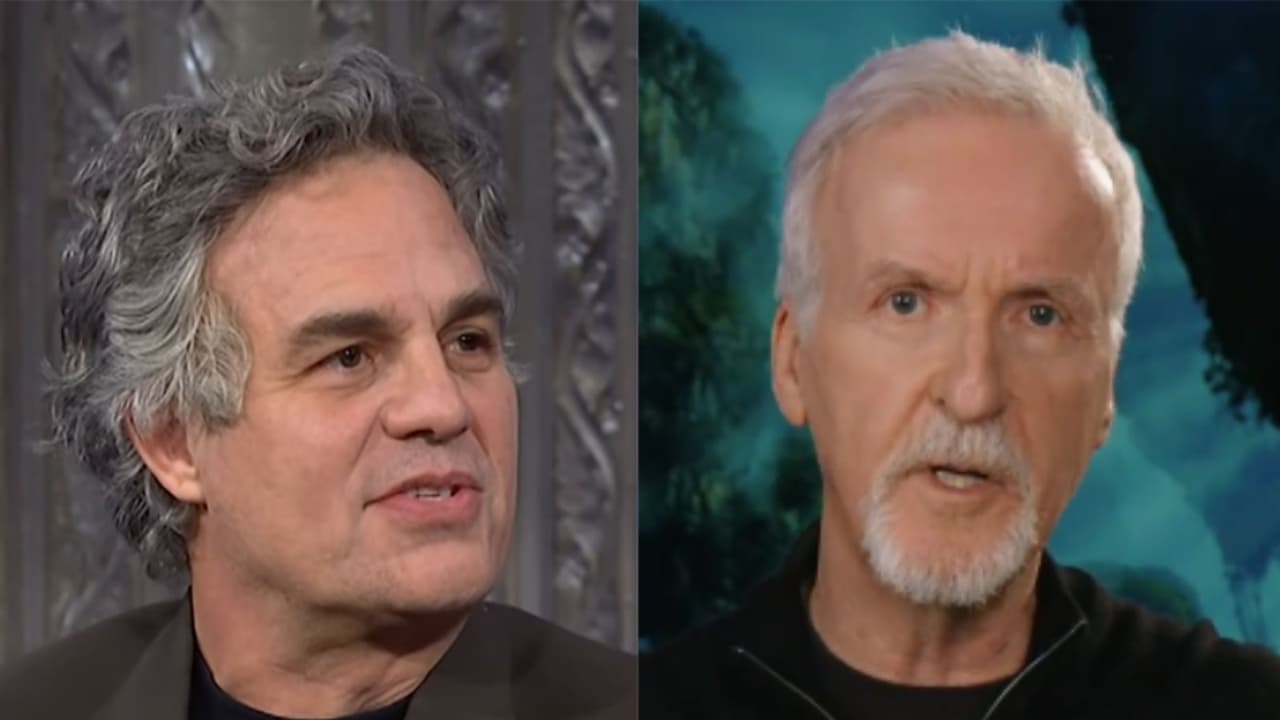
Mark Ruffalo has confronted filmmaker James Cameron regarding his opposition to Netflix’s proposed acquisition of Warner Bros. Discovery, valued at USD 83 billion. The exchange highlights a significant debate within Hollywood over the implications of industry consolidation. Ruffalo’s inquiry comes in response to Cameron’s recent letter to Senator Mike Lee, chair of the Senate subcommittee on antitrust, where he expressed concerns that a Netflix takeover would be “disastrous for the theatrical motion picture business,” as reported by Variety.
Cameron, director of the acclaimed ‘Avatar’ franchise, warned that such a deal could jeopardize cinema jobs across the United States. In a post on Instagram Threads, Ruffalo questioned the consistency of Cameron’s stance. “Are you also against the monopolization that a Paramount acquisition would create? Or is it just that of Netflix?” Ruffalo wrote, urging for a broader examination of consolidation in the entertainment industry.
Scrutiny of Industry Consolidation
Ruffalo emphasized the need for transparency within the film community regarding consolidation efforts. He expressed his desire for answers about whether Senator Lee is equally concerned about a potential acquisition of Paramount. “We all want to know,” he stated, speaking on behalf of countless filmmakers worldwide. This comment underscores the growing unease among industry professionals about the impact of major mergers on creative opportunities and employment.
Currently, Netflix is on the verge of acquiring Warner Bros. studios and HBO Max in a deal that could reshape the entertainment landscape. On February 17, 2024, Warner Bros. Discovery opened a seven-day window for Paramount Skydance to present a superior competing offer. The proposed acquisition is set to be voted on by shareholders on March 20, 2024.
Cameron’s Warnings
In his correspondence with Senator Lee, Cameron outlined dire consequences if the Netflix deal proceeds. He asserted, “Theaters will close. Fewer films will be made. The job losses will spiral.” Cameron argued that Netflix’s business model contradicts the traditional film production and exhibition sector, which employs hundreds of thousands of Americans. His concerns reflect a broader apprehension regarding the future of theatrical releases in an increasingly digital landscape.
Netflix’s Response
In light of these concerns, Netflix has taken steps to reassure industry stakeholders. In an interview with Variety, co-CEO Ted Sarandos reaffirmed the company’s commitment to preserving Warner Bros.’ existing theatrical rollout strategy. Sarandos emphasized that the approach would “remain largely like it is today,” adding humorously, “Your listeners can watch us now, cut a finger and do a blood oath together.” This response aims to alleviate fears surrounding potential changes to established industry norms.
As the debate continues, the outcome of the proposed acquisition remains uncertain, with significant implications for the future of film production and distribution in the United States. The contrasting viewpoints of Ruffalo and Cameron illustrate the complexities of navigating a rapidly evolving entertainment landscape, where the stakes are high and the impact on the creative community is profound.

Albert Camus’ Insightful Quote on Human Identity Resurfaces

Drone Strikes and Missile Attacks Disrupt UAE Amid Rising Tensions

Japanese Yen Rises Sharply Against US Dollar Ahead of Key Decisions

Priyanka Chopra and Nick Jonas Avoid Near Miss en Route to Oscars

Gujarat Vaccinates Over 11 Lakh Infants in Major Health Drive

Alexandre Singh Wins Oscar, Celebrates Immigrant Heritage

Lok Sabha Speaker Issues Warning Over Placards in Parliament

Global Electrosurgical Devices Market Expands to $10.2 Billion by 2034

North Zone Dominates Cricket; SJAM-1 Shines in Table Tennis

SBI Announces QIP Floor Price at ₹811.05 Per Share

Cept Unveils ₹3.1 Crore Urban Mobility Plan for Sustainable Growth

New Blood Group Discovered in South Indian Woman at Rotary Centre

Konkani Cultural Organisation to Host Pearl Jubilee in Abu Dhabi

Torrential Rains Cause Flash Flooding in New York and New Jersey

Nothing Headphone 1 Review: A Bold Contender in Audio Design

Indian Stock Market Rebounds: Sensex and Nifty Rise After Four-Day Decline

Air India Crash Investigation Highlights Boeing Fuel Switch Concerns

Broad Advocates for Bowling Change Ahead of Final Test Against India
-
 World12 months ago
SBI Announces QIP Floor Price at ₹811.05 Per Share
-
 Lifestyle12 months ago
Cept Unveils ₹3.1 Crore Urban Mobility Plan for Sustainable Growth
-
 Science11 months ago
New Blood Group Discovered in South Indian Woman at Rotary Centre
-
 Top Stories12 months ago
Konkani Cultural Organisation to Host Pearl Jubilee in Abu Dhabi
-
 World12 months ago
Torrential Rains Cause Flash Flooding in New York and New Jersey
-
 Science12 months ago
Nothing Headphone 1 Review: A Bold Contender in Audio Design
-
 Business12 months ago
Indian Stock Market Rebounds: Sensex and Nifty Rise After Four-Day Decline
-
 Top Stories12 months ago
Air India Crash Investigation Highlights Boeing Fuel Switch Concerns
-
 Sports11 months ago
Broad Advocates for Bowling Change Ahead of Final Test Against India
-

 Sports11 months ago
Cristian Totti Retires at 19: Pressure of Fame Takes Toll
-

 Politics12 months ago
Abandoned Doberman Finds New Home After Journey to Prague
-

 Lifestyle12 months ago
Villagers Unite to Raise ₹45 Lakh for Water Solutions in Vadgam