
Entertainment
Ranking the Most Controversial Star Trek Episodes: A Closer Look

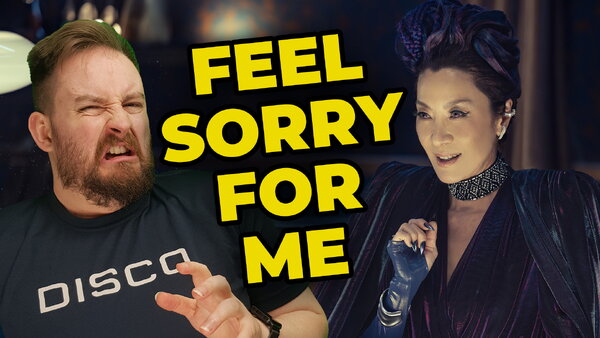
The enduring legacy of the *Star Trek* franchise includes not only its celebrated episodes but also those that have been criticized for various reasons. A recent examination highlights ten episodes that many fans consider unwatchable today, primarily due to outdated themes, offensive portrayals, or problematic storytelling. This list aims to provoke discussion while acknowledging that opinions on these episodes may differ among viewers.
Understanding the Critique
Defining an episode as unwatchable often transcends mere personal taste. Factors such as cultural sensitivity, representation, and societal norms play critical roles in evaluating these works. Over its sixty-year history, *Star Trek* has delivered memorable episodes like “The Inner Light” and “In the Pale Moonlight,” but it has also produced missteps that have not aged well.
One notable episode, “Code of Honor,” from *Star Trek: The Next Generation*, is frequently cited as one of the most problematic. In this installment, the *USS Enterprise-D* arrives at Ligon II, seeking a vaccine crucial for Starfleet. However, the portrayal of the Ligonians has drawn significant criticism. Described by actor Jonathan Frakes as a “racist piece of shit,” the episode relies heavily on stereotypes associated with African tribal cultures, leading to discomfort among viewers.
While it features one of the few episodes centered around the character Tasha Yar, the narrative includes a ritualistic fight to the death between Yar and another character, Yareena, which underscores the episode’s issues with gender representation and cultural sensitivity. This third episode, aired in 1987, came at a time when *The Next Generation* was still establishing itself, and its rocky start only magnified the backlash against “Code of Honor.”
Other Notable Episodes in Contention
The list of contentious episodes does not end there. Several others have also drawn criticism for various reasons. For instance, “Spock’s Brain” and “Move Along Home” have been labeled as examples of poor storytelling and weak character development.
“Spock’s Brain,” which aired in 1968, presents a scenario where Spock’s brain is removed and replaced with a computer, leading to a series of unrealistic events. Similarly, “Move Along Home,” released in 1993, has been criticized for its overly simplistic plot and lack of coherence, which detracts from the typically high standards expected from the franchise.
The discourse surrounding these episodes reflects broader societal changes and evolving standards in media representation. What was once considered entertaining or acceptable may now be viewed through a more critical lens, highlighting the importance of context in evaluating artistic works.
As *Star Trek* continues to expand its universe with new series and films, the conversation about its past episodes remains relevant. Offering both beloved classics and controversial missteps, the franchise invites ongoing discussions about representation, storytelling, and the impact of television on cultural perceptions.
In conclusion, while *Star Trek* has produced episodes that resonate with audiences worldwide, it also includes entries that many fans would rather skip. The legacy of these episodes serves as a reminder of the importance of evolving narratives and the need for sensitivity in storytelling. As viewers continue to explore the vast universe of *Star Trek*, discussions about its missteps contribute to a richer understanding of its overall impact on popular culture.

Albert Camus’ Insightful Quote on Human Identity Resurfaces

Drone Strikes and Missile Attacks Disrupt UAE Amid Rising Tensions

Japanese Yen Rises Sharply Against US Dollar Ahead of Key Decisions

Priyanka Chopra and Nick Jonas Avoid Near Miss en Route to Oscars

Gujarat Vaccinates Over 11 Lakh Infants in Major Health Drive

Alexandre Singh Wins Oscar, Celebrates Immigrant Heritage

Lok Sabha Speaker Issues Warning Over Placards in Parliament

Global Electrosurgical Devices Market Expands to $10.2 Billion by 2034

North Zone Dominates Cricket; SJAM-1 Shines in Table Tennis

SBI Announces QIP Floor Price at ₹811.05 Per Share

Cept Unveils ₹3.1 Crore Urban Mobility Plan for Sustainable Growth

Comparing Subscription Prices: Spotify, Apple Music, and YouTube Music in India

New Blood Group Discovered in South Indian Woman at Rotary Centre

Konkani Cultural Organisation to Host Pearl Jubilee in Abu Dhabi

Torrential Rains Cause Flash Flooding in New York and New Jersey

Nothing Headphone 1 Review: A Bold Contender in Audio Design

Air India Crash Investigation Highlights Boeing Fuel Switch Concerns

Indian Stock Market Rebounds: Sensex and Nifty Rise After Four-Day Decline
-
 World1 year ago
SBI Announces QIP Floor Price at ₹811.05 Per Share
-
 Lifestyle1 year ago
Cept Unveils ₹3.1 Crore Urban Mobility Plan for Sustainable Growth
-
 Science12 months ago
Comparing Subscription Prices: Spotify, Apple Music, and YouTube Music in India
-
 Science12 months ago
New Blood Group Discovered in South Indian Woman at Rotary Centre
-
 Top Stories1 year ago
Konkani Cultural Organisation to Host Pearl Jubilee in Abu Dhabi
-
 World1 year ago
Torrential Rains Cause Flash Flooding in New York and New Jersey
-
 Science1 year ago
Nothing Headphone 1 Review: A Bold Contender in Audio Design
-
 Top Stories1 year ago
Air India Crash Investigation Highlights Boeing Fuel Switch Concerns
-
 Business1 year ago
Indian Stock Market Rebounds: Sensex and Nifty Rise After Four-Day Decline
-

 Sports12 months ago
Broad Advocates for Bowling Change Ahead of Final Test Against India
-

 Sports12 months ago
Cristian Totti Retires at 19: Pressure of Fame Takes Toll
-

 Politics1 year ago
Abandoned Doberman Finds New Home After Journey to Prague