
Business
US Lowers Bangladesh Tariffs to 19% Following India Trade Deal

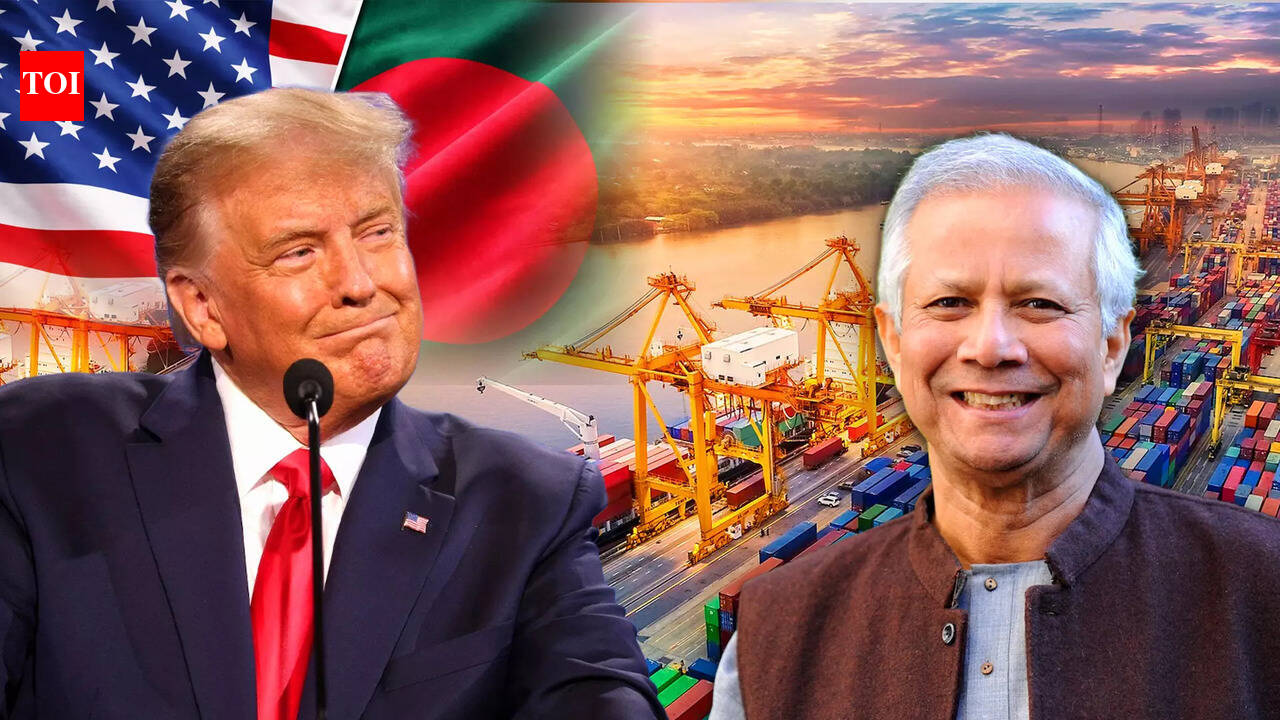
The United States has finalized a new trade agreement with Bangladesh, reducing most tariffs to 19 percent. This decision follows a recent tariff breakthrough with India and is aimed at reshaping trade dynamics in South Asia. The agreement provides immediate relief to Bangladesh’s critical garment sector, which accounts for a significant portion of the nation’s exports.
This new arrangement allows for zero reciprocal tariffs on select apparel manufactured with American raw materials. In return, Bangladesh has agreed to open its market to a range of U.S. products, including machinery, vehicles, farm products, and medical equipment. The deal also addresses regulatory and certification barriers, facilitating smoother trade operations between the two nations.
Impact on Bangladesh’s Economy
The timing of this agreement is crucial for Bangladesh, particularly as national elections approach and economic pressures increase. The garment industry, which is the backbone of Bangladesh’s economy, stands to benefit significantly from the reduced tariffs. This move not only supports local businesses but also aims to stabilize the economy during a politically sensitive period.
For the U.S., strengthening trade ties with Bangladesh is part of a broader strategy to secure supply chains and expand market access in the region. This initiative reflects Washington’s intent to recalibrate its approach to trade in South Asia, ensuring that competitive advantages are negotiated rather than assumed.
Broader Implications for South Asian Trade
The developments in U.S.-Bangladesh trade highlight a shifting landscape in South Asia. The U.S. agreement with Bangladesh serves as a reminder to India and other regional players that trade regulations are evolving rapidly. As the United States takes a more strategic stance, it signals that countries must actively engage in negotiations to secure favorable terms.
This agreement also encompasses broader commitments, including potential aircraft purchases and energy imports, alongside defense-related collaborations. Such measures indicate a comprehensive approach to enhancing bilateral relations beyond mere trade.
The shift in trade priorities emphasizes that future competitive advantages will be contingent upon negotiations, measurement, and time constraints. As countries position themselves within this new framework, the implications for long-term economic relationships in South Asia will continue to unfold.

Albert Camus’ Insightful Quote on Human Identity Resurfaces

Drone Strikes and Missile Attacks Disrupt UAE Amid Rising Tensions

Japanese Yen Rises Sharply Against US Dollar Ahead of Key Decisions

Priyanka Chopra and Nick Jonas Avoid Near Miss en Route to Oscars

Gujarat Vaccinates Over 11 Lakh Infants in Major Health Drive

Alexandre Singh Wins Oscar, Celebrates Immigrant Heritage

Lok Sabha Speaker Issues Warning Over Placards in Parliament

Global Electrosurgical Devices Market Expands to $10.2 Billion by 2034

North Zone Dominates Cricket; SJAM-1 Shines in Table Tennis

SBI Announces QIP Floor Price at ₹811.05 Per Share

Cept Unveils ₹3.1 Crore Urban Mobility Plan for Sustainable Growth

Comparing Subscription Prices: Spotify, Apple Music, and YouTube Music in India

New Blood Group Discovered in South Indian Woman at Rotary Centre

Konkani Cultural Organisation to Host Pearl Jubilee in Abu Dhabi

Torrential Rains Cause Flash Flooding in New York and New Jersey

Nothing Headphone 1 Review: A Bold Contender in Audio Design

Air India Crash Investigation Highlights Boeing Fuel Switch Concerns

Broad Advocates for Bowling Change Ahead of Final Test Against India
-
 World1 year ago
SBI Announces QIP Floor Price at ₹811.05 Per Share
-
 Lifestyle1 year ago
Cept Unveils ₹3.1 Crore Urban Mobility Plan for Sustainable Growth
-
 Science1 year ago
Comparing Subscription Prices: Spotify, Apple Music, and YouTube Music in India
-
 Science1 year ago
New Blood Group Discovered in South Indian Woman at Rotary Centre
-
 Top Stories1 year ago
Konkani Cultural Organisation to Host Pearl Jubilee in Abu Dhabi
-
 World1 year ago
Torrential Rains Cause Flash Flooding in New York and New Jersey
-
 Science1 year ago
Nothing Headphone 1 Review: A Bold Contender in Audio Design
-
 Top Stories1 year ago
Air India Crash Investigation Highlights Boeing Fuel Switch Concerns
-
 Sports1 year ago
Broad Advocates for Bowling Change Ahead of Final Test Against India
-

 Business1 year ago
Indian Stock Market Rebounds: Sensex and Nifty Rise After Four-Day Decline
-

 Sports1 year ago
Cristian Totti Retires at 19: Pressure of Fame Takes Toll
-

 Politics1 year ago
Abandoned Doberman Finds New Home After Journey to Prague