
Business
SEBI Streamlines Regulations to Enhance Market Efficiency and Access

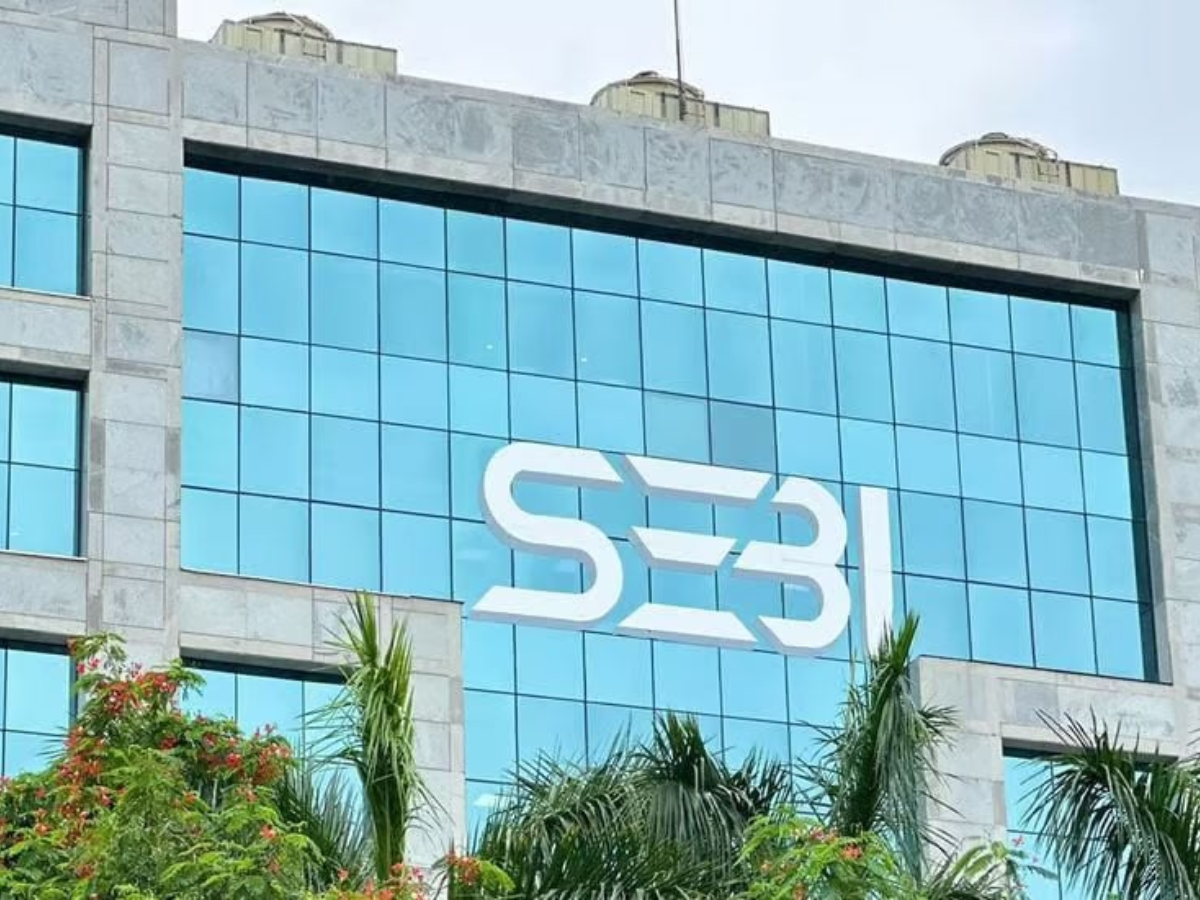
The Securities and Exchange Board of India (SEBI) is implementing measures aimed at reducing regulatory burdens and compliance costs to enhance the competitiveness of the Indian securities market. During the Sixth Annual International Research Conference on Securities Market held on February 12, 2026, SEBI Chairman Tuhin Kanta Pandey asserted that improving cost efficiency is vital for facilitating better access to finance across various productive sectors, while still upholding essential regulatory objectives.
Pandey underscored the direct correlation between regulatory overheads and the broader economy. He remarked, “Efficiency, cost efficiency of all our measures is important because if you have to build competitiveness, then obviously if there is a compliance burden on regulation, it’s too high in terms of cost and time, then obviously to that extent the competitiveness also goes down.”
New Framework for Regulatory Impact Assessment
SEBI is establishing a framework for regulatory impact assessment, a move that was previously indicated by the Finance Minister during budget announcements. A committee led by the Chief Economic Advisor will guide this initiative. In support of this effort, SEBI is launching a Centre for Regulatory Studies, which will serve as a high-level research facility designed to foster collaboration between policy schools and research institutes.
This new centre aims to study the effects of regulations on the market, striving to find a balance between regulatory objectives and the costs associated with compliance. While quantifying the exact impact on GDP growth from these initiatives remains challenging, Pandey emphasized that reducing the cost of capital is a primary goal. He believes these efforts will improve finance accessibility, strengthen the overall economy, and maintain market stability.
Coordination and Technical Improvements
Pandey addressed the interconnections within the financial system, highlighting that discussions surrounding these issues occur at the level of the Financial Stability and Development Council (FSDC). This body aims to ensure coordination among regulators by exploring various methods to collect data and conduct research that can lead to improved access to finance and reduced costs.
In response to recent technical glitches at the National Securities Depository Limited (NSDL), Pandey confirmed that the system is now operating normally. A technical issue within the inter-depository transfer system had caused settlement backlogs, which have since been resolved. SEBI is now awaiting a root cause analysis from its Technical Advisory Committee.
Looking into the future, SEBI envisions creating a system where investors can access a consolidated statement of all their financial assets across different regulators, including pensions and insurance, contingent upon user consent. This initiative reflects SEBI’s commitment to enhancing market efficiency, accessibility, and investor-friendliness.
As these changes take shape, they signal a significant shift towards a regulatory environment that prioritizes both cost efficiency and investor convenience, potentially transforming the landscape of the Indian securities market.

Albert Camus’ Insightful Quote on Human Identity Resurfaces

Drone Strikes and Missile Attacks Disrupt UAE Amid Rising Tensions

Japanese Yen Rises Sharply Against US Dollar Ahead of Key Decisions

Priyanka Chopra and Nick Jonas Avoid Near Miss en Route to Oscars

Gujarat Vaccinates Over 11 Lakh Infants in Major Health Drive

Alexandre Singh Wins Oscar, Celebrates Immigrant Heritage

Lok Sabha Speaker Issues Warning Over Placards in Parliament

Global Electrosurgical Devices Market Expands to $10.2 Billion by 2034

North Zone Dominates Cricket; SJAM-1 Shines in Table Tennis

SBI Announces QIP Floor Price at ₹811.05 Per Share

Cept Unveils ₹3.1 Crore Urban Mobility Plan for Sustainable Growth

New Blood Group Discovered in South Indian Woman at Rotary Centre

Konkani Cultural Organisation to Host Pearl Jubilee in Abu Dhabi

Torrential Rains Cause Flash Flooding in New York and New Jersey

Nothing Headphone 1 Review: A Bold Contender in Audio Design

Indian Stock Market Rebounds: Sensex and Nifty Rise After Four-Day Decline

Air India Crash Investigation Highlights Boeing Fuel Switch Concerns

Broad Advocates for Bowling Change Ahead of Final Test Against India
-
 World12 months ago
SBI Announces QIP Floor Price at ₹811.05 Per Share
-
 Lifestyle12 months ago
Cept Unveils ₹3.1 Crore Urban Mobility Plan for Sustainable Growth
-
 Science12 months ago
New Blood Group Discovered in South Indian Woman at Rotary Centre
-
 Top Stories12 months ago
Konkani Cultural Organisation to Host Pearl Jubilee in Abu Dhabi
-
 World12 months ago
Torrential Rains Cause Flash Flooding in New York and New Jersey
-
 Science12 months ago
Nothing Headphone 1 Review: A Bold Contender in Audio Design
-
 Business12 months ago
Indian Stock Market Rebounds: Sensex and Nifty Rise After Four-Day Decline
-
 Top Stories12 months ago
Air India Crash Investigation Highlights Boeing Fuel Switch Concerns
-
 Sports12 months ago
Broad Advocates for Bowling Change Ahead of Final Test Against India
-

 Sports12 months ago
Cristian Totti Retires at 19: Pressure of Fame Takes Toll
-

 Politics12 months ago
Abandoned Doberman Finds New Home After Journey to Prague
-

 Lifestyle12 months ago
Villagers Unite to Raise ₹45 Lakh for Water Solutions in Vadgam