
Business
SEBI Reforms Modernize Mutual Fund Expenses, Boost Investor Trust

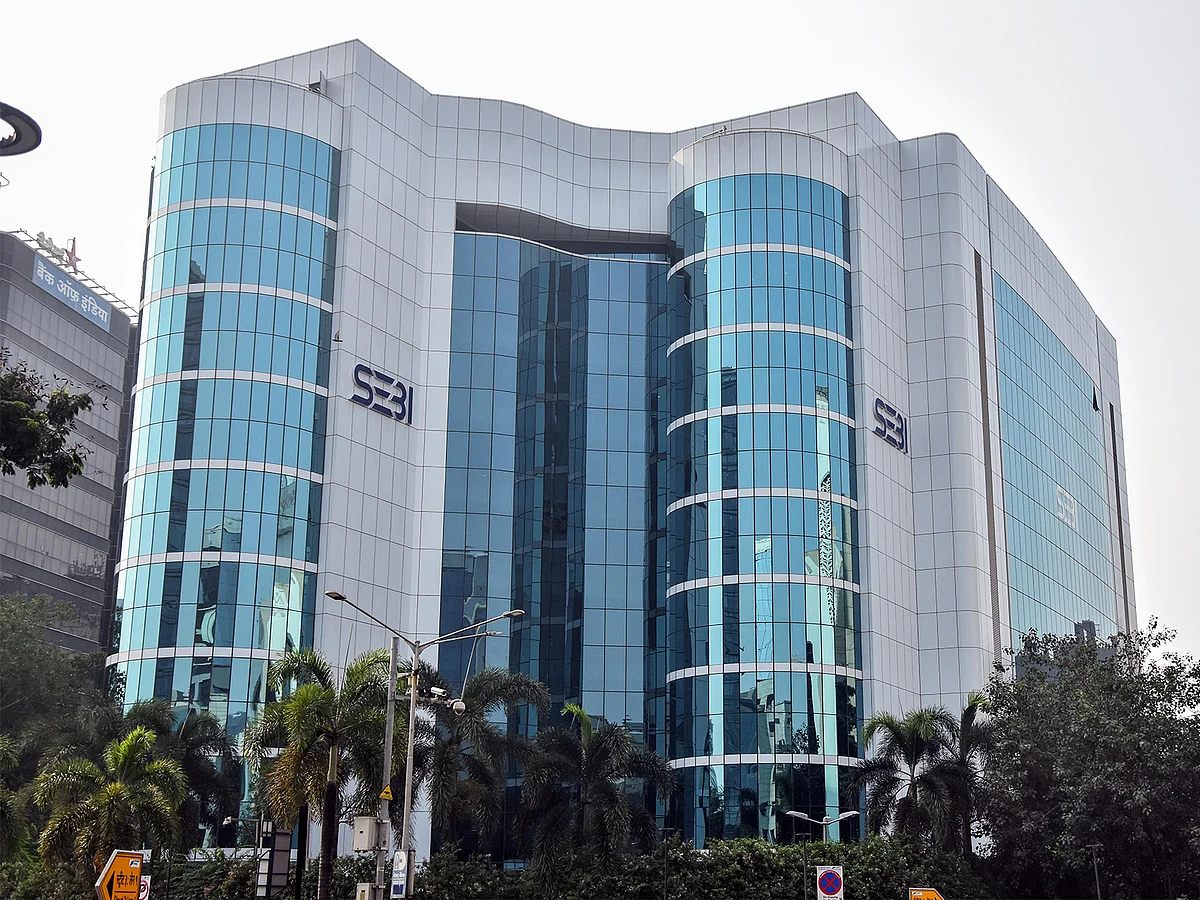
The Securities and Exchange Board of India (SEBI) has announced a significant overhaul of mutual fund expense regulations, aimed at enhancing transparency for investors. This reform, revealed on March 15, 2024, is expected to reshape how asset management companies (AMCs) operate, even as it places immediate pressure on their profitability.
The key change involves the removal of an additional 5 basis points (bps) expense allowance linked to exit loads, which is anticipated to reduce hidden costs associated with mutual funds. This decision aligns with SEBI’s commitment to improving clarity around fund expenses, ultimately benefiting investors in the long run.
While AMCs may face short-term challenges, including a projected cumulative impact on profit before tax (PBT) by fiscal year 2027, the report by Centrum suggests that these companies have avenues to adapt. They can recalibrate their operating structures and potentially transfer part of the cost burden to distributors, which could help maintain business sustainability without directly raising costs for investors.
Enhanced Transparency and Adjusted Expense Ratios
An important aspect of SEBI’s reforms is the rationalization of total expense ratio (TER) slabs for large equity-oriented schemes. The regulator has adjusted the proposed TER cut for schemes with assets exceeding Rs 20 billion to 10 bps, down from an earlier suggestion of 15 bps. This change is designed to ensure that larger, efficient schemes remain viable while still offering competitive pricing to investors.
In addition to adjusting expense ratios, SEBI has emphasized the necessity for greater transparency. The new regulations mandate a clearer separation of base expenses, brokerage costs, and statutory levies. This level of detail is expected to provide investors with a better understanding of the actual costs associated with investing in mutual fund schemes, ultimately fostering greater trust and confidence in the industry.
SEBI has also made adjustments to brokerage caps in both cash and derivatives segments, with statutory levies being charged separately. According to the report, the overall impact on brokerages is anticipated to be neutral, as the reduction in brokerage revenues is expected to be limited. This approach aims to ensure market stability while reinforcing cost discipline across the sector.
Long-Term Benefits for Investors
Overall, the reforms are viewed as structurally beneficial for investors. Lower and more transparent expense disclosures, along with tighter cost controls and improved comparability across schemes, are likely to facilitate more informed investment decisions. While AMCs might experience short-term earnings pressure, the changes are expected to contribute to a healthier, more transparent mutual fund ecosystem.
These reforms not only align industry economics with investor interests but also promote greater long-term market efficiency. As the mutual fund landscape evolves, the emphasis on transparency and cost-effectiveness is likely to yield positive outcomes for both investors and the broader financial market in India.

Albert Camus’ Insightful Quote on Human Identity Resurfaces

Drone Strikes and Missile Attacks Disrupt UAE Amid Rising Tensions

Japanese Yen Rises Sharply Against US Dollar Ahead of Key Decisions

Priyanka Chopra and Nick Jonas Avoid Near Miss en Route to Oscars

Gujarat Vaccinates Over 11 Lakh Infants in Major Health Drive

Alexandre Singh Wins Oscar, Celebrates Immigrant Heritage

Lok Sabha Speaker Issues Warning Over Placards in Parliament

Global Electrosurgical Devices Market Expands to $10.2 Billion by 2034

North Zone Dominates Cricket; SJAM-1 Shines in Table Tennis

SBI Announces QIP Floor Price at ₹811.05 Per Share

Cept Unveils ₹3.1 Crore Urban Mobility Plan for Sustainable Growth

New Blood Group Discovered in South Indian Woman at Rotary Centre

Konkani Cultural Organisation to Host Pearl Jubilee in Abu Dhabi

Torrential Rains Cause Flash Flooding in New York and New Jersey

Nothing Headphone 1 Review: A Bold Contender in Audio Design

Indian Stock Market Rebounds: Sensex and Nifty Rise After Four-Day Decline

Air India Crash Investigation Highlights Boeing Fuel Switch Concerns

Broad Advocates for Bowling Change Ahead of Final Test Against India
-
 World12 months ago
SBI Announces QIP Floor Price at ₹811.05 Per Share
-
 Lifestyle12 months ago
Cept Unveils ₹3.1 Crore Urban Mobility Plan for Sustainable Growth
-
 Science12 months ago
New Blood Group Discovered in South Indian Woman at Rotary Centre
-
 Top Stories12 months ago
Konkani Cultural Organisation to Host Pearl Jubilee in Abu Dhabi
-
 World12 months ago
Torrential Rains Cause Flash Flooding in New York and New Jersey
-
 Science12 months ago
Nothing Headphone 1 Review: A Bold Contender in Audio Design
-
 Business12 months ago
Indian Stock Market Rebounds: Sensex and Nifty Rise After Four-Day Decline
-
 Top Stories12 months ago
Air India Crash Investigation Highlights Boeing Fuel Switch Concerns
-
 Sports12 months ago
Broad Advocates for Bowling Change Ahead of Final Test Against India
-

 Sports12 months ago
Cristian Totti Retires at 19: Pressure of Fame Takes Toll
-

 Politics12 months ago
Abandoned Doberman Finds New Home After Journey to Prague
-

 Lifestyle12 months ago
Villagers Unite to Raise ₹45 Lakh for Water Solutions in Vadgam