
Business
SBI Calls for Tax Reforms to Boost Savings in Union Budget 2026

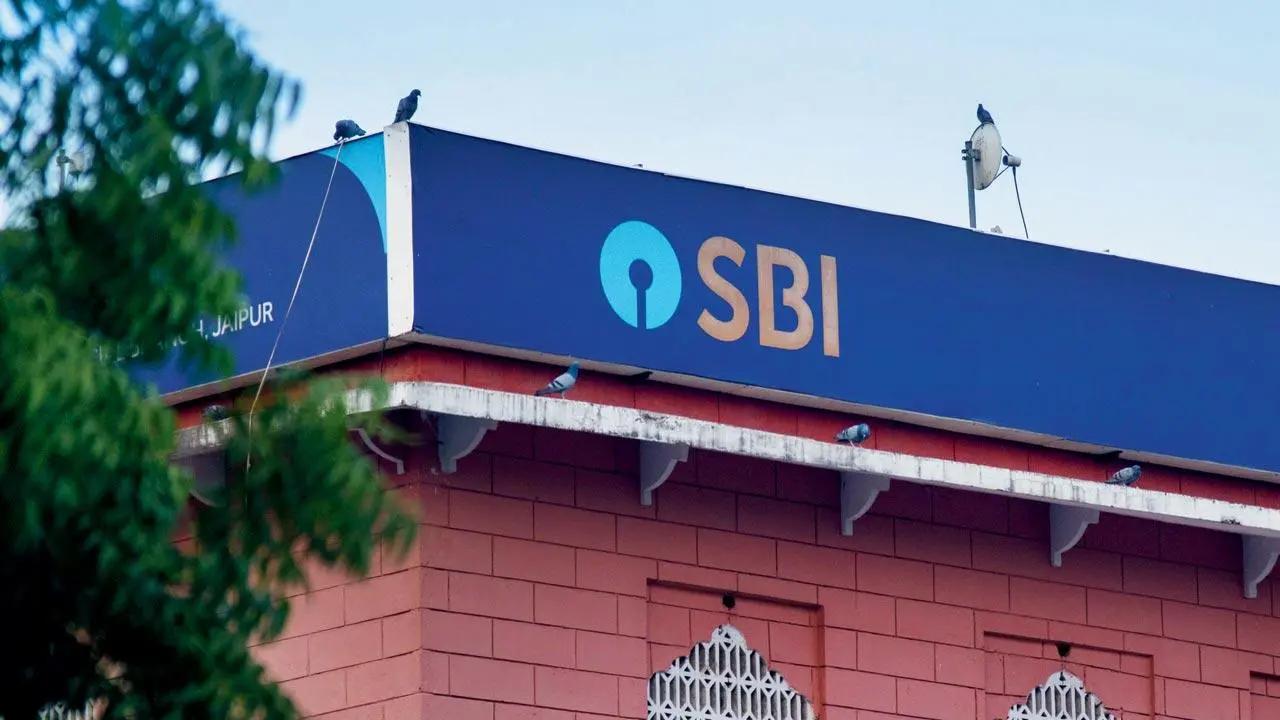
The State Bank of India (SBI) has recommended significant reforms in taxation, insurance, and pensions ahead of the Union Budget 2026. The objective is to enhance household financial savings, ease compliance burdens, and improve social security coverage across the nation.
According to SBI’s report, the proportion of household financial savings held in bank deposits has dropped sharply from 38.7 percent in FY24 to 35.2 percent in FY25. To reverse this trend, SBI advocates for tax relief measures aimed at depositors. The report suggests that the tax treatment for interest income on bank deposits should align with that of long-term and short-term capital gains (LTCG and STCG).
To stimulate financial savings, SBI proposes that tax treatment for interest on deposits be placed on par with LTCG and STCG. Additionally, the bank recommends reducing the lock-in period for tax-saving fixed deposits to three years, matching the terms of Equity Linked Savings Schemes (ELSS) in mutual funds to enhance deposit mobilization.
The report also highlights the need to eliminate the Tax Deducted at Source (TDS) on savings account interest or to increase the threshold, which would provide relief to smaller savers.
On the indirect tax front, SBI suggests amendments to the Goods and Services Tax (GST) provisions related to the Input Service Distributor (ISD). The aim is to clarify existing regulations and reduce legal disputes. The report recommends changing the phrasing from “for or on behalf of distinct persons” to “for the benefit of distinct persons” in relevant sections of the GST Act of 2017. Furthermore, it calls for the removal of certain provisions that cause interpretational challenges and for an explanatory note in Section 20(3) to allow ISD distributions by banks without valuation disputes.
SBI also pointed out the practical difficulties banks face in complying with GST TDS provisions on transactions such as interchange fees processed through settlement agencies like NPCI, Visa, and MasterCard. Since these transactions are settled in real time, banks are required to pay GST TDS upfront and later claim refunds, leading to operational inefficiencies. As a solution, SBI suggests that GST TDS should not apply to banking services.
In the insurance sector, SBI noted a troubling decline in insurance penetration in India, which fell to 3.7 percent in FY25, down from 4 percent in FY23 and 4.2 percent in FY22, according to data from the Insurance Regulatory and Development Authority of India (IRDAI). Life insurance penetration specifically decreased to 2.7 percent, while non-life insurance remained at 1 percent. This dip raises concerns regarding IRDAI’s goal of achieving “Insurance for All by 2047.”
The report also indicated that approximately 69 percent of complaints received in FY25 were related to claims, underscoring the urgent need for reforms, particularly in the health insurance domain.
SBI emphasized the necessity of a well-structured pension system that guarantees a minimum pension. The bank believes that addressing these issues in the upcoming Union Budget could significantly enhance financial security and contribute to long-term economic stability.
The insights from SBI reflect a critical examination of the financial landscape in India, underscoring the need for reforms across various sectors to bolster savings and ensure better protection for the populace.

Albert Camus’ Insightful Quote on Human Identity Resurfaces

Drone Strikes and Missile Attacks Disrupt UAE Amid Rising Tensions

Japanese Yen Rises Sharply Against US Dollar Ahead of Key Decisions

Priyanka Chopra and Nick Jonas Avoid Near Miss en Route to Oscars

Gujarat Vaccinates Over 11 Lakh Infants in Major Health Drive

Alexandre Singh Wins Oscar, Celebrates Immigrant Heritage

Lok Sabha Speaker Issues Warning Over Placards in Parliament

Global Electrosurgical Devices Market Expands to $10.2 Billion by 2034

North Zone Dominates Cricket; SJAM-1 Shines in Table Tennis

SBI Announces QIP Floor Price at ₹811.05 Per Share

Cept Unveils ₹3.1 Crore Urban Mobility Plan for Sustainable Growth

Comparing Subscription Prices: Spotify, Apple Music, and YouTube Music in India

New Blood Group Discovered in South Indian Woman at Rotary Centre

Konkani Cultural Organisation to Host Pearl Jubilee in Abu Dhabi

Torrential Rains Cause Flash Flooding in New York and New Jersey

Nothing Headphone 1 Review: A Bold Contender in Audio Design

Air India Crash Investigation Highlights Boeing Fuel Switch Concerns

Broad Advocates for Bowling Change Ahead of Final Test Against India
-
 World1 year ago
SBI Announces QIP Floor Price at ₹811.05 Per Share
-
 Lifestyle1 year ago
Cept Unveils ₹3.1 Crore Urban Mobility Plan for Sustainable Growth
-
 Science1 year ago
Comparing Subscription Prices: Spotify, Apple Music, and YouTube Music in India
-
 Science1 year ago
New Blood Group Discovered in South Indian Woman at Rotary Centre
-
 Top Stories1 year ago
Konkani Cultural Organisation to Host Pearl Jubilee in Abu Dhabi
-
 World1 year ago
Torrential Rains Cause Flash Flooding in New York and New Jersey
-
 Science1 year ago
Nothing Headphone 1 Review: A Bold Contender in Audio Design
-
 Top Stories1 year ago
Air India Crash Investigation Highlights Boeing Fuel Switch Concerns
-
 Sports1 year ago
Broad Advocates for Bowling Change Ahead of Final Test Against India
-

 Business1 year ago
Indian Stock Market Rebounds: Sensex and Nifty Rise After Four-Day Decline
-

 Sports1 year ago
Cristian Totti Retires at 19: Pressure of Fame Takes Toll
-

 Politics1 year ago
Abandoned Doberman Finds New Home After Journey to Prague