
Business
Indian Stock Market Faces 4% Drop: Is This a Buying Opportunity?

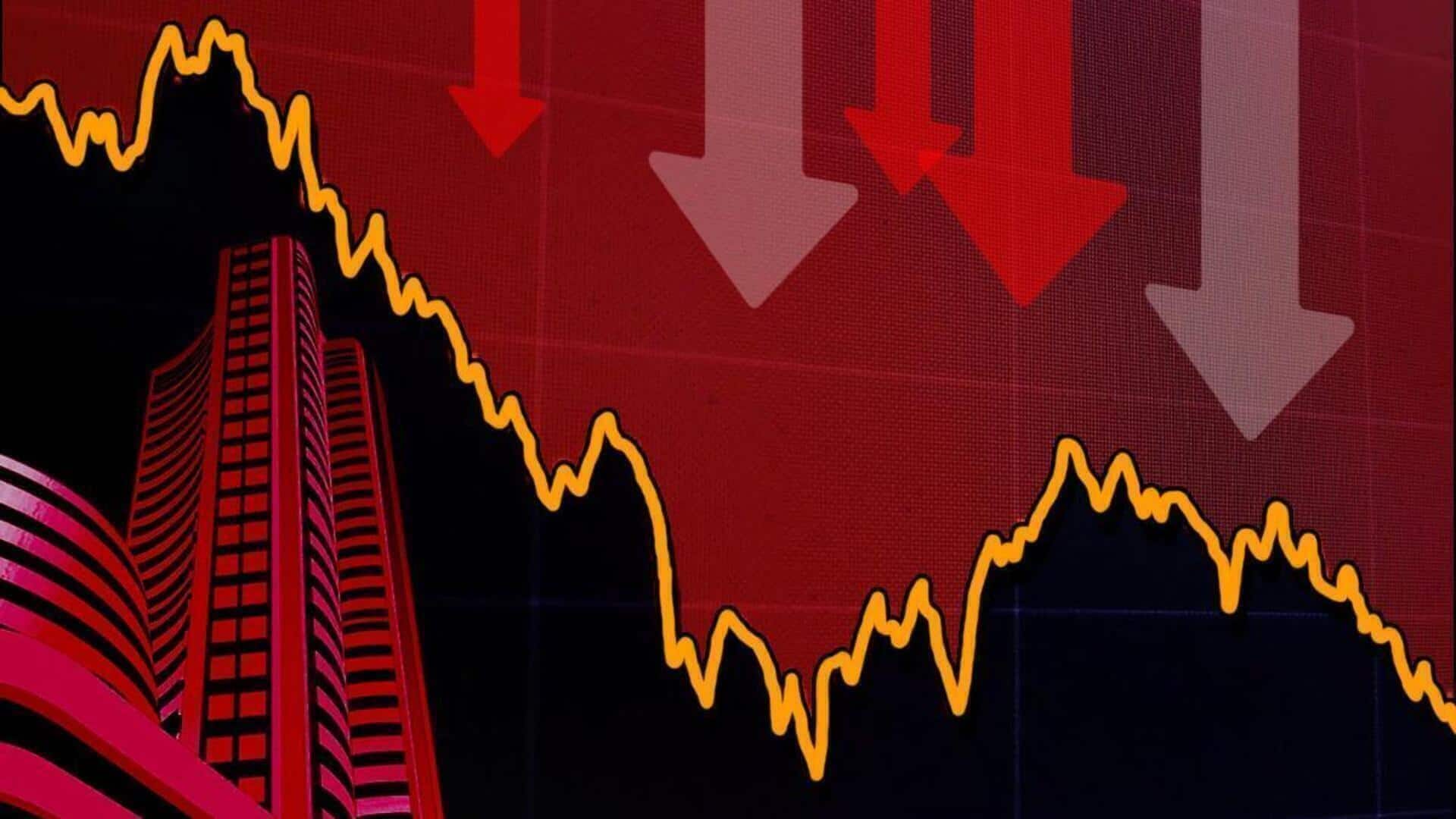
India’s leading stock indices, the Sensex and Nifty, experienced a significant decline of over 4% in January 2026. This downturn is primarily attributed to ongoing foreign fund outflows, a depreciating rupee, underwhelming corporate earnings, and geopolitical tensions. Specifically, the 30-share BSE Sensex dropped by 3,682.9 points, or 4.32%, while the broader NSE Nifty index fell by 1,080.95 points, or 4.1%.
Market Dynamics and Historical Trends
Market analysts are closely monitoring these developments. According to Santosh Meena, Head of Research at Swastika Investmart Ltd, January often witnesses sharp declines followed by recoveries after India’s Republic Day on January 26. Meena noted a historical pattern where the BSE benchmark has faced declines in January across several years, suggesting that a rebound could be on the horizon. While January is generally a weaker month for equities, the current 4% drop exceeds typical seasonal fluctuations.
The recent fall has been exacerbated by various external factors. Ponmudi R, CEO of Enrich Money, highlighted that geopolitical uncertainties and new tariff concerns have contributed to a cascading effect on domestic equities. He noted that a global risk-off environment has prompted aggressive selling by foreign portfolio investors, further pressuring the rupee, which hit a record low of 92 against the US dollar on January 23, 2026.
Investor Sentiment and Future Outlook
The implications of high crude oil prices in international markets and rising global bond yields have also led to increased risk aversion among investors. This environment has kept market participants vigilant as they navigate a complex geopolitical and macroeconomic landscape. The rupee’s depreciation of over 2% this month alone has intensified concerns regarding economic stability.
In light of these challenges, Axis Securities reported that the upcoming Union Budget for 2026-27 will strive to balance growth support with macroeconomic stability. Analysts believe that this may present a favorable opportunity for long-term investors. Those willing to commit for three to five years and focus on quality large-cap stocks or index funds may find that valuations have cooled, enhancing the risk-reward ratio.
As the market continues to fluctuate, investors are faced with a critical decision: whether to buy the dip or hold off until more stability returns. The current scenario presents both challenges and opportunities, reflecting the complexities of investing in an uncertain environment.

Albert Camus’ Insightful Quote on Human Identity Resurfaces

Drone Strikes and Missile Attacks Disrupt UAE Amid Rising Tensions

Japanese Yen Rises Sharply Against US Dollar Ahead of Key Decisions

Priyanka Chopra and Nick Jonas Avoid Near Miss en Route to Oscars

Gujarat Vaccinates Over 11 Lakh Infants in Major Health Drive

Alexandre Singh Wins Oscar, Celebrates Immigrant Heritage

Lok Sabha Speaker Issues Warning Over Placards in Parliament

Global Electrosurgical Devices Market Expands to $10.2 Billion by 2034

North Zone Dominates Cricket; SJAM-1 Shines in Table Tennis

SBI Announces QIP Floor Price at ₹811.05 Per Share

Cept Unveils ₹3.1 Crore Urban Mobility Plan for Sustainable Growth

Comparing Subscription Prices: Spotify, Apple Music, and YouTube Music in India

New Blood Group Discovered in South Indian Woman at Rotary Centre

Konkani Cultural Organisation to Host Pearl Jubilee in Abu Dhabi

Torrential Rains Cause Flash Flooding in New York and New Jersey

Nothing Headphone 1 Review: A Bold Contender in Audio Design

Air India Crash Investigation Highlights Boeing Fuel Switch Concerns

Broad Advocates for Bowling Change Ahead of Final Test Against India
-
 World1 year ago
SBI Announces QIP Floor Price at ₹811.05 Per Share
-
 Lifestyle1 year ago
Cept Unveils ₹3.1 Crore Urban Mobility Plan for Sustainable Growth
-
 Science1 year ago
Comparing Subscription Prices: Spotify, Apple Music, and YouTube Music in India
-
 Science1 year ago
New Blood Group Discovered in South Indian Woman at Rotary Centre
-
 Top Stories1 year ago
Konkani Cultural Organisation to Host Pearl Jubilee in Abu Dhabi
-
 World1 year ago
Torrential Rains Cause Flash Flooding in New York and New Jersey
-
 Science1 year ago
Nothing Headphone 1 Review: A Bold Contender in Audio Design
-
 Top Stories1 year ago
Air India Crash Investigation Highlights Boeing Fuel Switch Concerns
-
 Sports1 year ago
Broad Advocates for Bowling Change Ahead of Final Test Against India
-

 Business1 year ago
Indian Stock Market Rebounds: Sensex and Nifty Rise After Four-Day Decline
-

 Sports1 year ago
Cristian Totti Retires at 19: Pressure of Fame Takes Toll
-

 Politics1 year ago
Abandoned Doberman Finds New Home After Journey to Prague