
Business
Indian Government Activates Essential Commodities Act for Fuel Security

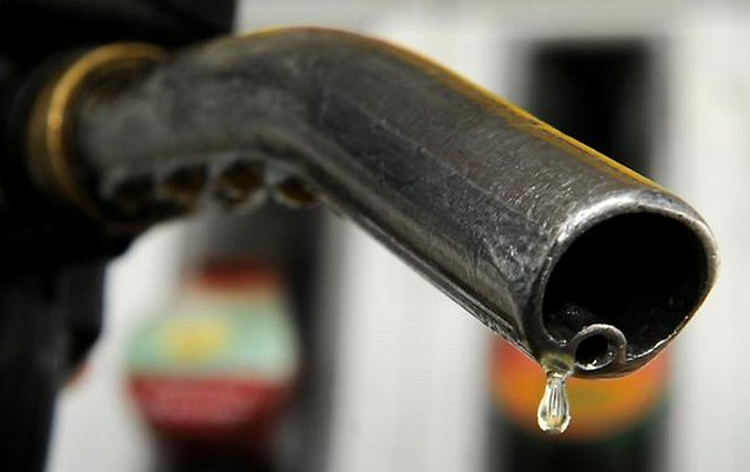
The Union Government of India has activated the Essential Commodities Act, 1955 to manage the distribution and supply of fuel, particularly petroleum and natural gas, in response to escalating tensions in West Asia. This move aims to address potential disruptions in energy supplies linked to the Strait of Hormuz, a crucial maritime corridor through which approximately 30 percent of India’s energy imports transit.
The decision follows heightened concerns regarding the situation involving Iran and the risk to global energy shipments. The government’s action is designed to ensure uninterrupted access to essential fuel supplies while preventing hoarding and ensuring equitable distribution during this time of uncertainty.
Measures to Secure Domestic Fuel Supply
In a proactive approach, the authorities have ordered oil refineries and petrochemical plants to maximize the production of liquefied petroleum gas (LPG) and redirect significant hydrocarbon resources towards enhancing the LPG pool. This strategic move is intended to bolster domestic availability of this critical fuel.
To protect household usage and public transportation, the government guarantees a full supply of natural gas for domestic piped connections and compressed natural gas (CNG) for vehicles. As a result, households relying on piped gas for cooking and commuters using CNG vehicles will continue to receive a steady supply, despite potential market shortages.
However, to manage available resources effectively, restrictions have been placed on various industrial sectors. Industries connected to the natural gas grid, including manufacturing units and tea processing plants, will receive only 80 percent of their average gas supply based on consumption data from the past six months. Other commercial and industrial consumers of natural gas will also face similar limitations.
Fertilizer manufacturing units will receive around 70 percent of their previous average supply, while refineries and petrochemical plants face the most significant cut, with a reduction of approximately 35 percent in natural gas supply.
Government’s Strategy Amid Global Uncertainty
This decision reflects the Indian government’s commitment to prioritize essential domestic consumption and stabilize the energy market in the face of geopolitical tensions that could disrupt shipments through the Strait of Hormuz. The Essential Commodities Act, 1955 provides the legal framework for the government to regulate the production, supply, and distribution of essential goods during crises, ensuring their availability at fair prices and preventing black marketing and hoarding.
Authorities emphasized that this precautionary measure is aimed at safeguarding consumers and maintaining energy stability across the country. As the global energy landscape continues to evolve, the government’s swift action underscores its focus on securing energy resources for its citizens.

Albert Camus’ Insightful Quote on Human Identity Resurfaces

Drone Strikes and Missile Attacks Disrupt UAE Amid Rising Tensions

Japanese Yen Rises Sharply Against US Dollar Ahead of Key Decisions

Priyanka Chopra and Nick Jonas Avoid Near Miss en Route to Oscars

Gujarat Vaccinates Over 11 Lakh Infants in Major Health Drive

Alexandre Singh Wins Oscar, Celebrates Immigrant Heritage

Lok Sabha Speaker Issues Warning Over Placards in Parliament

Global Electrosurgical Devices Market Expands to $10.2 Billion by 2034

North Zone Dominates Cricket; SJAM-1 Shines in Table Tennis

SBI Announces QIP Floor Price at ₹811.05 Per Share

Cept Unveils ₹3.1 Crore Urban Mobility Plan for Sustainable Growth

Comparing Subscription Prices: Spotify, Apple Music, and YouTube Music in India

New Blood Group Discovered in South Indian Woman at Rotary Centre

Konkani Cultural Organisation to Host Pearl Jubilee in Abu Dhabi

Torrential Rains Cause Flash Flooding in New York and New Jersey

Nothing Headphone 1 Review: A Bold Contender in Audio Design

Air India Crash Investigation Highlights Boeing Fuel Switch Concerns

Broad Advocates for Bowling Change Ahead of Final Test Against India
-
 World1 year ago
SBI Announces QIP Floor Price at ₹811.05 Per Share
-
 Lifestyle1 year ago
Cept Unveils ₹3.1 Crore Urban Mobility Plan for Sustainable Growth
-
 Science1 year ago
Comparing Subscription Prices: Spotify, Apple Music, and YouTube Music in India
-
 Science1 year ago
New Blood Group Discovered in South Indian Woman at Rotary Centre
-
 Top Stories1 year ago
Konkani Cultural Organisation to Host Pearl Jubilee in Abu Dhabi
-
 World1 year ago
Torrential Rains Cause Flash Flooding in New York and New Jersey
-
 Science1 year ago
Nothing Headphone 1 Review: A Bold Contender in Audio Design
-
 Top Stories1 year ago
Air India Crash Investigation Highlights Boeing Fuel Switch Concerns
-
 Sports1 year ago
Broad Advocates for Bowling Change Ahead of Final Test Against India
-

 Business1 year ago
Indian Stock Market Rebounds: Sensex and Nifty Rise After Four-Day Decline
-

 Sports1 year ago
Cristian Totti Retires at 19: Pressure of Fame Takes Toll
-

 Politics1 year ago
Abandoned Doberman Finds New Home After Journey to Prague