
Business
India Projects 7% Economic Growth for FY27 Amid Global Challenges

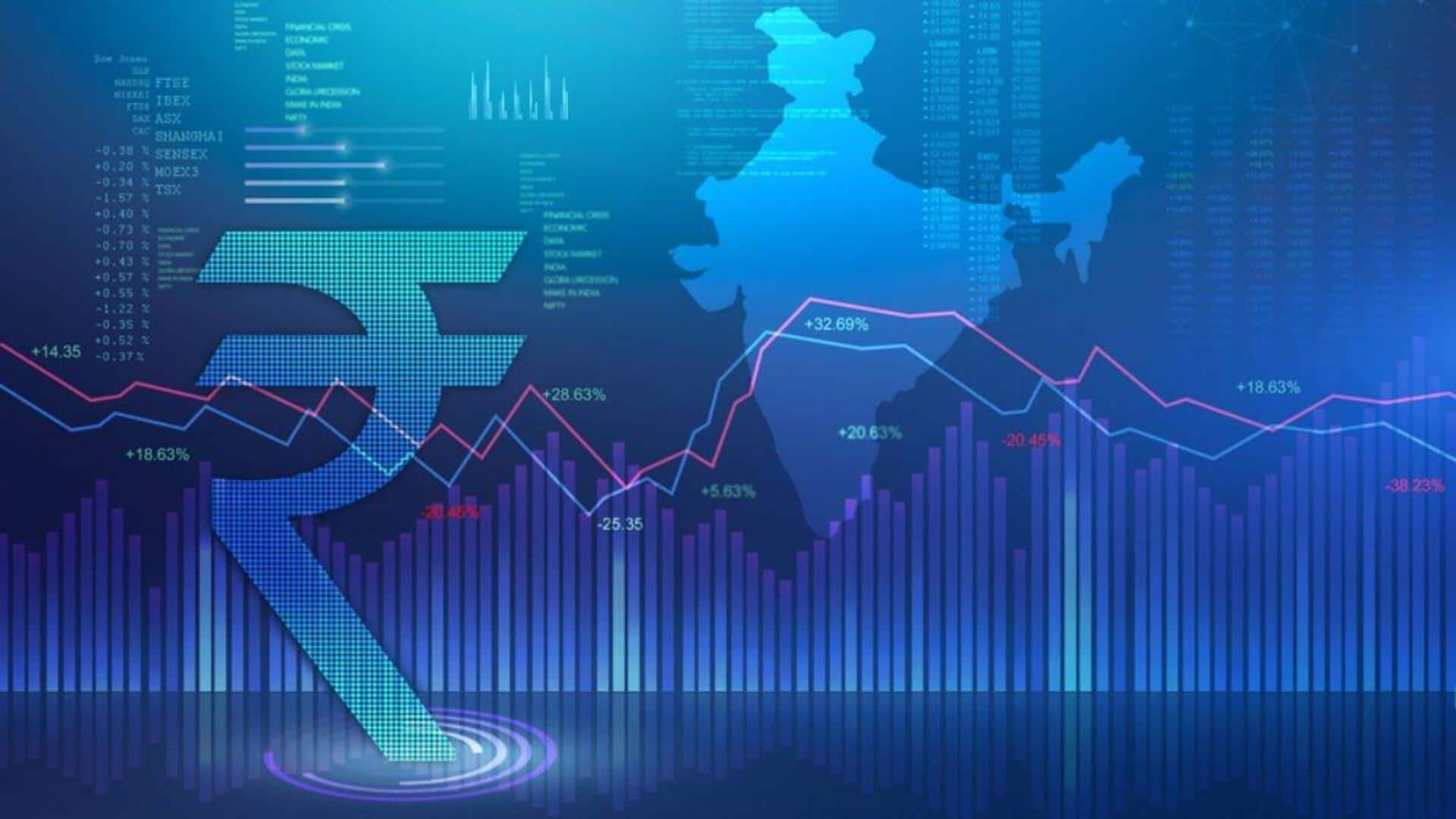
India’s economy is projected to grow at a rate of 7% during the fiscal year 2026-27, according to a recent report from CareEdge Ratings. This anticipated growth comes despite ongoing global uncertainties, reflecting a resilient economic landscape bolstered by low inflation, reduced interest rates, and a lighter tax burden.
The Indian economy has demonstrated notable stability in the current fiscal year 2025-26, with a gross domestic product (GDP) growth estimate of 7.4%, as reported by the government’s First Advance Estimate (FAE). This positive trajectory is attributed to several factors, including income tax reductions, the rationalization of the Goods and Services Tax (GST), and robust services export performance. Easing inflationary pressures alongside rate cuts from the Reserve Bank of India (RBI) have also contributed to this encouraging economic environment.
Positive Indicators and Emerging Challenges
Looking ahead to FY27, CareEdge expects a real GDP growth of 7% and a nominal GDP growth of 10.1%. Sachin Gupta, Chief Rating Officer and Executive Director at CareEdge, stated that as India approaches 2026, the macroeconomic outlook appears “remarkably encouraging.” He noted that controlled inflation, reasonable interest rates, and a well-capitalized banking sector serve as strong indicators of the economy’s health.
Despite these positive signals, CareEdge has identified emerging challenges that warrant attention. Notably, the depreciation of the Indian rupee against major currencies, including the US dollar, British pound, and euro, poses risks. The report also highlighted concerning foreign investment trends, indicating that foreign portfolio investors experienced net outflows of nearly $18 billion in 2025, coupled with a significant decline in net Foreign Direct Investment (FDI) over the past four years.
India’s aspiration to evolve into a Viksit Bharat, or Developed India, hinges not only on strong domestic fundamentals but also on its ability to attract long-term investments and maintain competitiveness in the global market. CareEdge cautioned that while the current growth narrative remains intact, challenges such as weak capital inflows, currency pressures, and rising trade barriers suggest that sustaining this momentum will necessitate careful recalibration of economic strategies.
In summary, while India is poised for continued growth, the interplay of domestic policies and global economic conditions will be critical in shaping the nation’s economic future. As stakeholders navigate these complexities, the focus will need to remain on fostering an environment conducive to investment and sustainable development.

Albert Camus’ Insightful Quote on Human Identity Resurfaces

Drone Strikes and Missile Attacks Disrupt UAE Amid Rising Tensions

Japanese Yen Rises Sharply Against US Dollar Ahead of Key Decisions

Priyanka Chopra and Nick Jonas Avoid Near Miss en Route to Oscars

Gujarat Vaccinates Over 11 Lakh Infants in Major Health Drive

Alexandre Singh Wins Oscar, Celebrates Immigrant Heritage

Lok Sabha Speaker Issues Warning Over Placards in Parliament

Global Electrosurgical Devices Market Expands to $10.2 Billion by 2034

North Zone Dominates Cricket; SJAM-1 Shines in Table Tennis

SBI Announces QIP Floor Price at ₹811.05 Per Share

Cept Unveils ₹3.1 Crore Urban Mobility Plan for Sustainable Growth

New Blood Group Discovered in South Indian Woman at Rotary Centre

Konkani Cultural Organisation to Host Pearl Jubilee in Abu Dhabi

Torrential Rains Cause Flash Flooding in New York and New Jersey

Nothing Headphone 1 Review: A Bold Contender in Audio Design

Indian Stock Market Rebounds: Sensex and Nifty Rise After Four-Day Decline

Air India Crash Investigation Highlights Boeing Fuel Switch Concerns

Broad Advocates for Bowling Change Ahead of Final Test Against India
-
 World12 months ago
SBI Announces QIP Floor Price at ₹811.05 Per Share
-
 Lifestyle12 months ago
Cept Unveils ₹3.1 Crore Urban Mobility Plan for Sustainable Growth
-
 Science12 months ago
New Blood Group Discovered in South Indian Woman at Rotary Centre
-
 Top Stories12 months ago
Konkani Cultural Organisation to Host Pearl Jubilee in Abu Dhabi
-
 World12 months ago
Torrential Rains Cause Flash Flooding in New York and New Jersey
-
 Science12 months ago
Nothing Headphone 1 Review: A Bold Contender in Audio Design
-
 Business12 months ago
Indian Stock Market Rebounds: Sensex and Nifty Rise After Four-Day Decline
-
 Top Stories12 months ago
Air India Crash Investigation Highlights Boeing Fuel Switch Concerns
-
 Sports12 months ago
Broad Advocates for Bowling Change Ahead of Final Test Against India
-

 Sports12 months ago
Cristian Totti Retires at 19: Pressure of Fame Takes Toll
-

 Politics12 months ago
Abandoned Doberman Finds New Home After Journey to Prague
-
 Lifestyle12 months ago
Villagers Unite to Raise ₹45 Lakh for Water Solutions in Vadgam