
Top Stories
Court Orders Action Against CBI Officer in Excise Policy Case

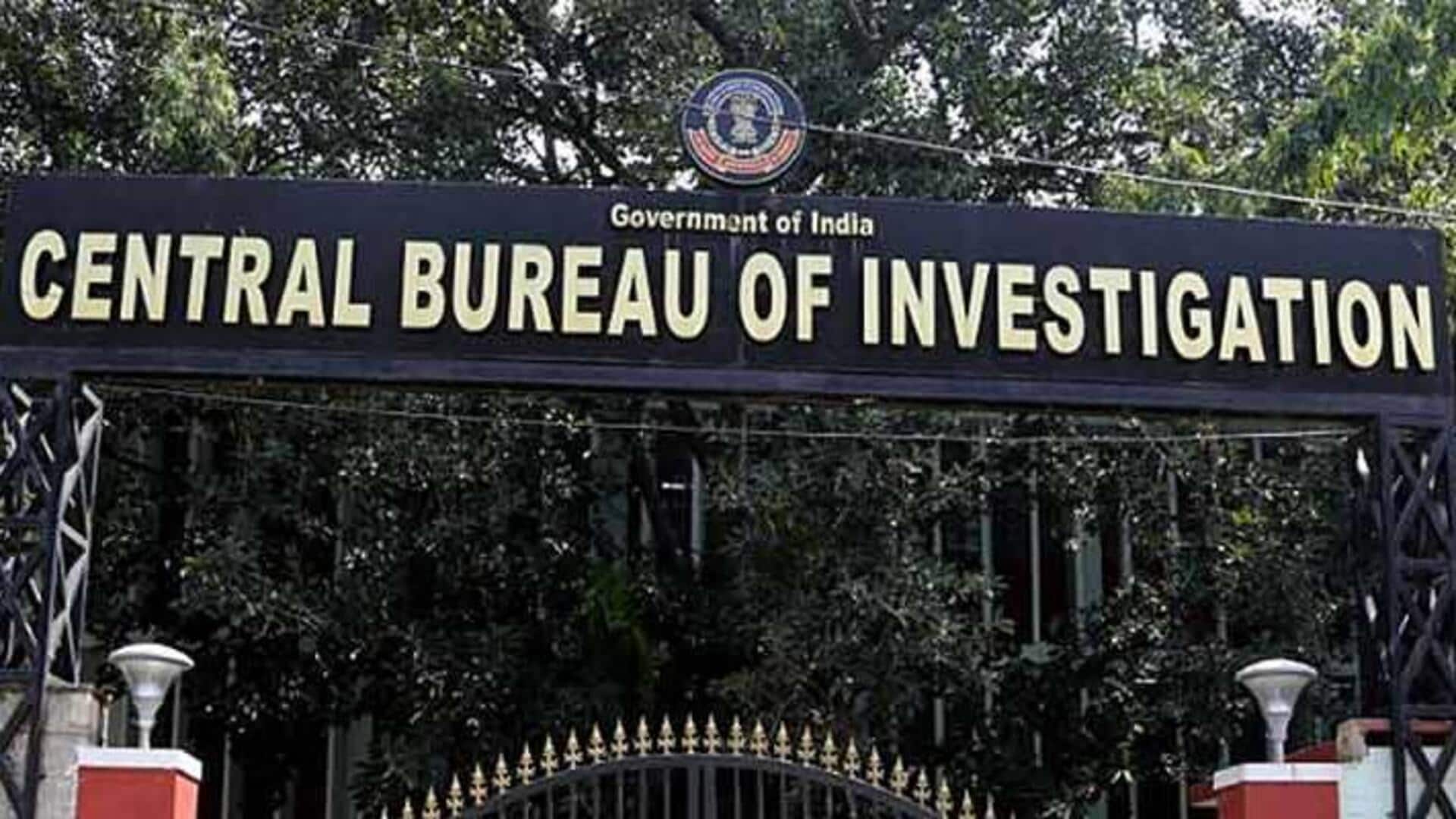
A Delhi court has mandated departmental proceedings against a Central Bureau of Investigation (CBI) officer involved in the investigation of the Delhi excise policy case. This decision follows the court’s discharge of all 23 accused, including former Delhi Chief Minister Arvind Kejriwal and former Deputy Chief Minister Manish Sisodia, on March 15, 2024.
Special Judge Jitendra Singh of the Rouse Avenue Court ordered the inquiry against the then Deputy Commissioner of Excise, Kuldeep Singh, who was identified as accused number one. Judge Singh stated that there was “no material at all” supporting the framing of Singh as an accused, emphasizing the need for accountability within the investigative process.
Concerns Over Investigative Integrity
The court criticized the CBI officer’s investigation, describing it as “premeditated and choreographed.” Judge Singh highlighted that the allegations against Singh were not part of an impartial investigation, but rather seemed designed to fit a predetermined narrative. The court raised significant concerns regarding the treatment of individuals listed as both suspects and prosecution witnesses in the charge sheet, specifically referring to Arva Gopi Krishna and Anand Kumar Tewari.
Judge Singh remarked that this contradictory approach indicated a calculated strategy by the investigating officer. He noted, “This self-contradictory stance cannot be brushed aside as a mere procedural irregularity. It betrays a conscious and calculated stratagem by which the investigating officer has sought to keep the narrative deliberately fluid.”
The judge further outlined that the conduct of the CBI officer suggested anticipatory manipulation. This manipulation appeared to prioritize the protection of the officer over the pursuit of truth in the investigation.
Restoring Accountability in Investigations
The court has initiated departmental proceedings against the CBI official to restore accountability and maintain the integrity of the investigative mechanism. It stressed the importance of assessments based on clear, consistent, and principled evaluations of collected evidence, rather than deliberate ambiguity designed to preserve future prosecutorial options.
As the legal proceedings unfold, the implications of this ruling may have significant repercussions for the CBI and its investigative practices within high-stakes cases. The court’s focus on accountability reflects broader concerns regarding the integrity of investigations and the necessity for transparency in the legal process.

Albert Camus’ Insightful Quote on Human Identity Resurfaces

Drone Strikes and Missile Attacks Disrupt UAE Amid Rising Tensions

Japanese Yen Rises Sharply Against US Dollar Ahead of Key Decisions

Priyanka Chopra and Nick Jonas Avoid Near Miss en Route to Oscars

Gujarat Vaccinates Over 11 Lakh Infants in Major Health Drive

Alexandre Singh Wins Oscar, Celebrates Immigrant Heritage

Lok Sabha Speaker Issues Warning Over Placards in Parliament

Global Electrosurgical Devices Market Expands to $10.2 Billion by 2034

North Zone Dominates Cricket; SJAM-1 Shines in Table Tennis

SBI Announces QIP Floor Price at ₹811.05 Per Share

Cept Unveils ₹3.1 Crore Urban Mobility Plan for Sustainable Growth

New Blood Group Discovered in South Indian Woman at Rotary Centre

Konkani Cultural Organisation to Host Pearl Jubilee in Abu Dhabi

Torrential Rains Cause Flash Flooding in New York and New Jersey

Nothing Headphone 1 Review: A Bold Contender in Audio Design

Air India Crash Investigation Highlights Boeing Fuel Switch Concerns

Indian Stock Market Rebounds: Sensex and Nifty Rise After Four-Day Decline

Broad Advocates for Bowling Change Ahead of Final Test Against India
-
 World1 year ago
SBI Announces QIP Floor Price at ₹811.05 Per Share
-
 Lifestyle1 year ago
Cept Unveils ₹3.1 Crore Urban Mobility Plan for Sustainable Growth
-
 Science12 months ago
New Blood Group Discovered in South Indian Woman at Rotary Centre
-
 Top Stories1 year ago
Konkani Cultural Organisation to Host Pearl Jubilee in Abu Dhabi
-
 World1 year ago
Torrential Rains Cause Flash Flooding in New York and New Jersey
-
 Science1 year ago
Nothing Headphone 1 Review: A Bold Contender in Audio Design
-
 Top Stories1 year ago
Air India Crash Investigation Highlights Boeing Fuel Switch Concerns
-
 Business1 year ago
Indian Stock Market Rebounds: Sensex and Nifty Rise After Four-Day Decline
-
 Sports12 months ago
Broad Advocates for Bowling Change Ahead of Final Test Against India
-

 Sports12 months ago
Cristian Totti Retires at 19: Pressure of Fame Takes Toll
-

 Politics1 year ago
Abandoned Doberman Finds New Home After Journey to Prague
-

 Science12 months ago
Comparing Subscription Prices: Spotify, Apple Music, and YouTube Music in India