
Science
Researchers Develop Tool to Prevent Satellite Collisions in Orbit

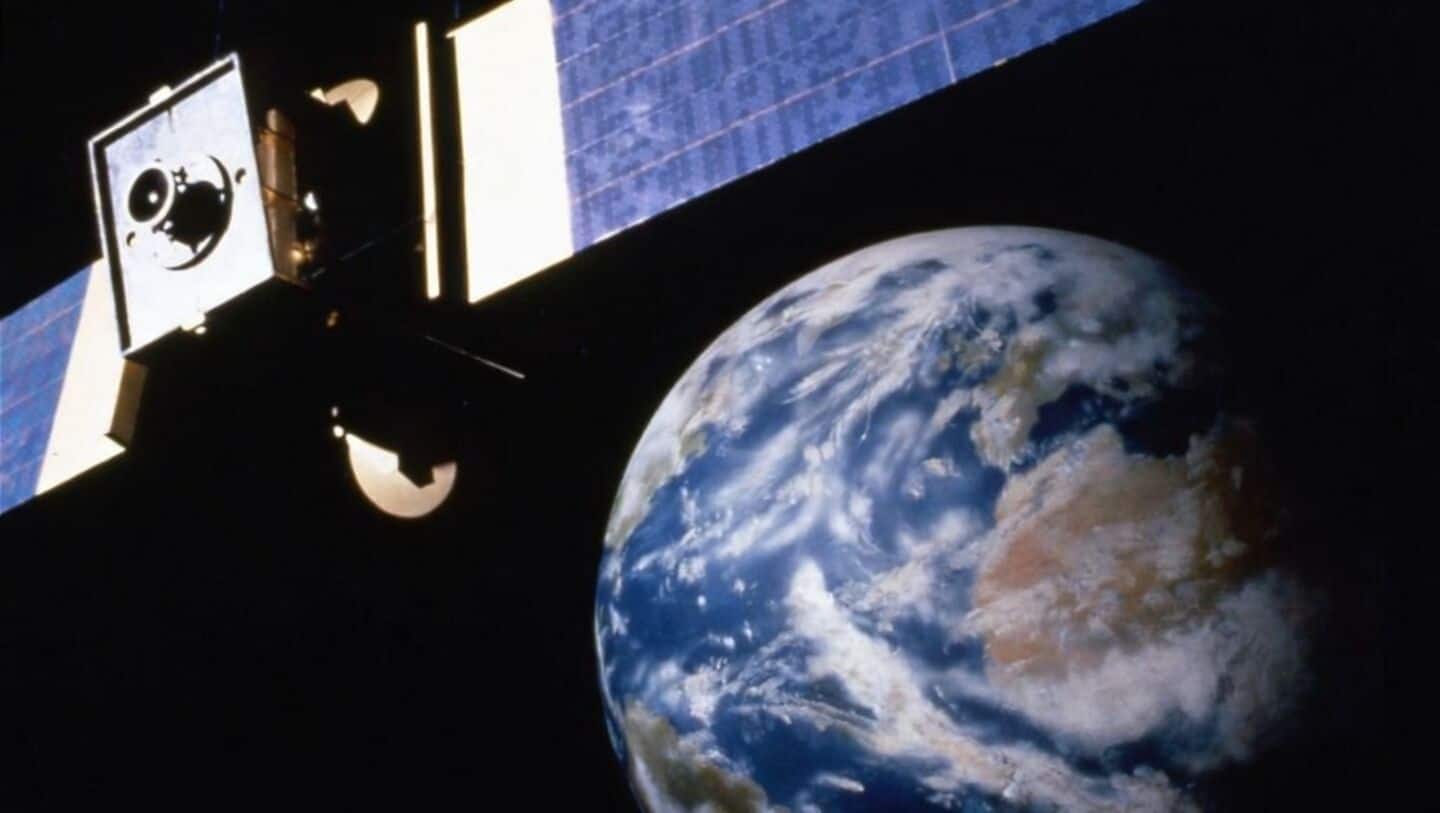
Researchers at the University of Manchester have introduced a novel system designed to mitigate the risks of satellite collisions in Earth’s increasingly congested orbits. This innovative tool connects mission performance requirements, such as capturing high-resolution images, with collision risks associated with various satellite sizes and altitudes. By enabling designers to identify potential hazards earlier in the planning stages, this development aims to enhance the safety and sustainability of future space missions.
With approximately 11,800 active satellites currently orbiting Earth and projections indicating a significant increase in this number, the new approach addresses a pressing concern in space management. Dr. Ciara McGrath from the University of Manchester emphasized that this tool is crucial for maintaining the usability of outer space for future generations.
Integrating Safety and Performance
The system functions as a modeling framework that integrates mission performance requirements with collision risks across different orbital environments. By combining these elements, the tool aids mission designers in understanding the trade-offs between data quality and orbital safety. This integration is particularly critical as Earth-observation satellites are increasingly relied upon to fulfill the United Nations 17 Sustainable Development Goals (SDGs).
The researchers’ new method links mission requirements for image resolution and coverage with satellite size and quantity in orbit, providing a clearer path to preventing collisions and debris proliferation. Notably, the size of each satellite significantly influences the likelihood of collisions, as larger satellites present greater individual risks.
Lead author John Mackintosh, a PhD researcher at the University of Manchester, noted that their research addresses a paradox in space sustainability. This paradox highlights the potential threats posed by utilizing satellites to resolve environmental and social issues on Earth while simultaneously jeopardizing long-term sustainability in space.
Future Implications for Space Missions
The implications of this research extend beyond the immediate benefits of collision prevention. As the number of satellites in orbit continues to grow, the integration of safety measures into mission planning becomes increasingly essential. The tool developed by the University of Manchester could serve as a pivotal resource for satellite designers, fostering a more sustainable approach to space exploration and utilization.
In light of the increasing reliance on satellite technology for global monitoring and communication, ensuring that space remains accessible and safe is critical. The researchers anticipate that this innovative approach will significantly contribute to the long-term sustainability of space activities, ultimately supporting both current and future generations in their endeavors to leverage satellite technology for societal benefit.

Albert Camus’ Insightful Quote on Human Identity Resurfaces

Drone Strikes and Missile Attacks Disrupt UAE Amid Rising Tensions

Japanese Yen Rises Sharply Against US Dollar Ahead of Key Decisions

Priyanka Chopra and Nick Jonas Avoid Near Miss en Route to Oscars

Gujarat Vaccinates Over 11 Lakh Infants in Major Health Drive

Alexandre Singh Wins Oscar, Celebrates Immigrant Heritage

Lok Sabha Speaker Issues Warning Over Placards in Parliament

Global Electrosurgical Devices Market Expands to $10.2 Billion by 2034

North Zone Dominates Cricket; SJAM-1 Shines in Table Tennis

SBI Announces QIP Floor Price at ₹811.05 Per Share

Cept Unveils ₹3.1 Crore Urban Mobility Plan for Sustainable Growth

New Blood Group Discovered in South Indian Woman at Rotary Centre

Konkani Cultural Organisation to Host Pearl Jubilee in Abu Dhabi

Torrential Rains Cause Flash Flooding in New York and New Jersey

Nothing Headphone 1 Review: A Bold Contender in Audio Design

Air India Crash Investigation Highlights Boeing Fuel Switch Concerns

Indian Stock Market Rebounds: Sensex and Nifty Rise After Four-Day Decline

Broad Advocates for Bowling Change Ahead of Final Test Against India
-
 World1 year ago
SBI Announces QIP Floor Price at ₹811.05 Per Share
-
 Lifestyle1 year ago
Cept Unveils ₹3.1 Crore Urban Mobility Plan for Sustainable Growth
-
 Science12 months ago
New Blood Group Discovered in South Indian Woman at Rotary Centre
-
 Top Stories1 year ago
Konkani Cultural Organisation to Host Pearl Jubilee in Abu Dhabi
-
 World1 year ago
Torrential Rains Cause Flash Flooding in New York and New Jersey
-
 Science1 year ago
Nothing Headphone 1 Review: A Bold Contender in Audio Design
-
 Top Stories1 year ago
Air India Crash Investigation Highlights Boeing Fuel Switch Concerns
-
 Business1 year ago
Indian Stock Market Rebounds: Sensex and Nifty Rise After Four-Day Decline
-
 Sports12 months ago
Broad Advocates for Bowling Change Ahead of Final Test Against India
-

 Sports12 months ago
Cristian Totti Retires at 19: Pressure of Fame Takes Toll
-

 Politics1 year ago
Abandoned Doberman Finds New Home After Journey to Prague
-
 Lifestyle1 year ago
Villagers Unite to Raise ₹45 Lakh for Water Solutions in Vadgam