
World
Iran’s Khamenei Moves Underground as Tensions with US Escalate

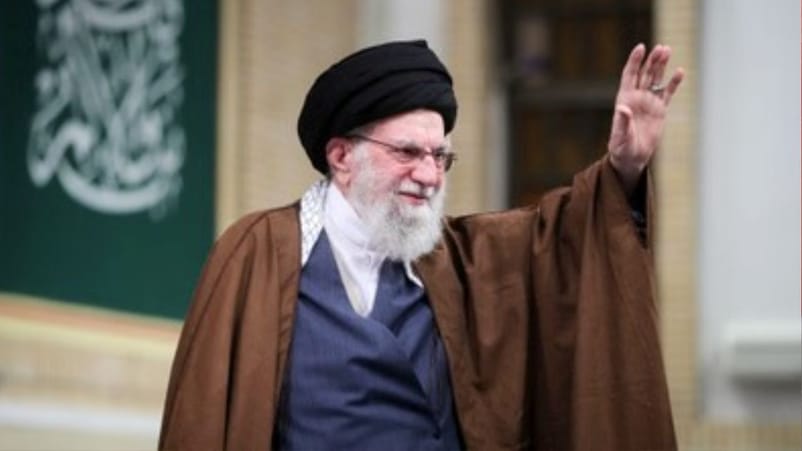
Iran’s Supreme Leader, Ayatollah Ali Khamenei, has relocated to a fortified underground shelter in Tehran as tensions escalate with the United States. This strategic move follows the deployment of additional US military assets to the region, including the aircraft carrier USS Abraham Lincoln, which is expected to arrive in the Middle East shortly.
The underground facility where Khamenei is now staying is designed for maximum security, featuring interconnected tunnels intended to provide protection during times of conflict. Reports indicate that his third son, Masoud Khamenei, has assumed control of his father’s office, acting as the sole communication channel with Iran’s executive institutions.
US Military Moves and Iranian Warnings
This development coincides with a warning issued by US President Donald Trump, who announced that a naval “armada” is heading towards Iran. Sources familiar with the situation revealed that the USS Abraham Lincoln, along with several guided-missile destroyers, is currently operating in the Indian Ocean. The Trump administration is also deploying additional air defense systems to protect US and Israeli military installations in the area.
In response to Trump’s statements, Iranian officials have issued stark warnings, asserting that any military action from the US would be regarded as an act of all-out war. An Iranian spokesperson emphasized that regardless of the nature of the attack—whether limited or extensive—Tehran would respond decisively to defend its sovereignty. This warning highlights Iran’s resolve to confront any perceived aggression.
Domestic Unrest and International Pressure
The military standoff occurs against a backdrop of significant unrest within Iran. Protests have erupted across the country, fueled by economic difficulties and a steep decline in the value of the national currency, the rial. These demonstrations, which began in late December 2019, have led to a severe crackdown by security forces and what activists describe as the longest internet shutdown in Iran’s history.
The Iranian government faces increasing pressure not only from foreign military maneuvers but also from domestic discontent. As the international community watches closely, the situation remains highly volatile, with potential implications for regional stability and international relations.
The developments signal a precarious balance, as both Iran and the US navigate a complex landscape of military posturing and internal challenges. The next steps taken by either side will be critical in determining the trajectory of this high-stakes confrontation.

Albert Camus’ Insightful Quote on Human Identity Resurfaces

Drone Strikes and Missile Attacks Disrupt UAE Amid Rising Tensions

Japanese Yen Rises Sharply Against US Dollar Ahead of Key Decisions

Priyanka Chopra and Nick Jonas Avoid Near Miss en Route to Oscars

Gujarat Vaccinates Over 11 Lakh Infants in Major Health Drive

Alexandre Singh Wins Oscar, Celebrates Immigrant Heritage

Lok Sabha Speaker Issues Warning Over Placards in Parliament

Global Electrosurgical Devices Market Expands to $10.2 Billion by 2034

North Zone Dominates Cricket; SJAM-1 Shines in Table Tennis

SBI Announces QIP Floor Price at ₹811.05 Per Share

Cept Unveils ₹3.1 Crore Urban Mobility Plan for Sustainable Growth

New Blood Group Discovered in South Indian Woman at Rotary Centre

Konkani Cultural Organisation to Host Pearl Jubilee in Abu Dhabi

Torrential Rains Cause Flash Flooding in New York and New Jersey

Nothing Headphone 1 Review: A Bold Contender in Audio Design

Indian Stock Market Rebounds: Sensex and Nifty Rise After Four-Day Decline

Air India Crash Investigation Highlights Boeing Fuel Switch Concerns

Broad Advocates for Bowling Change Ahead of Final Test Against India
-
 World12 months ago
SBI Announces QIP Floor Price at ₹811.05 Per Share
-
 Lifestyle12 months ago
Cept Unveils ₹3.1 Crore Urban Mobility Plan for Sustainable Growth
-
 Science12 months ago
New Blood Group Discovered in South Indian Woman at Rotary Centre
-
 Top Stories12 months ago
Konkani Cultural Organisation to Host Pearl Jubilee in Abu Dhabi
-
 World12 months ago
Torrential Rains Cause Flash Flooding in New York and New Jersey
-
 Science12 months ago
Nothing Headphone 1 Review: A Bold Contender in Audio Design
-
 Business12 months ago
Indian Stock Market Rebounds: Sensex and Nifty Rise After Four-Day Decline
-
 Top Stories12 months ago
Air India Crash Investigation Highlights Boeing Fuel Switch Concerns
-
 Sports12 months ago
Broad Advocates for Bowling Change Ahead of Final Test Against India
-

 Sports12 months ago
Cristian Totti Retires at 19: Pressure of Fame Takes Toll
-

 Politics12 months ago
Abandoned Doberman Finds New Home After Journey to Prague
-
 Lifestyle12 months ago
Villagers Unite to Raise ₹45 Lakh for Water Solutions in Vadgam