
Health
7 Proven Ways to Enhance Gut Health for Better Well-Being

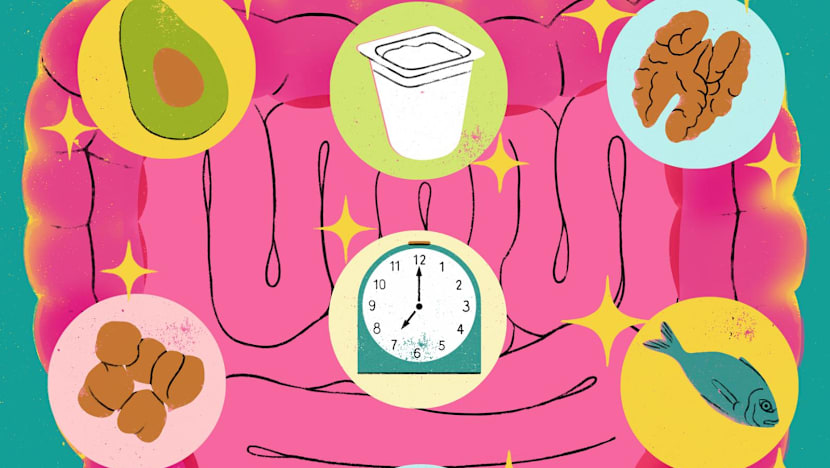
Interest in gut health has surged, with social media overflowing with advice on alleviating bloating, gas, and other digestive issues. According to Dr. Kyle Staller, a gastroenterologist at Massachusetts General Hospital, this renewed focus is beneficial. Good gut health can prevent problems such as reflux and constipation while reducing the risk of serious conditions like Type 2 diabetes and certain cancers. While many tips circulating online lack solid evidence, there are several well-supported methods to enhance gut health.
Prioritize Fiber Intake
Most people, particularly in the United States, do not consume enough fiber. This is concerning, as fiber is crucial for regular bowel movements and a healthy gut microbiome. Dr. Anissa Armet, a nutrition researcher at the University of Alberta, suggests incorporating small changes to increase fiber intake. Adding chickpeas to salads, substituting meat with lentils in chili, or blending white beans into soups can make a significant difference. For a fiber boost, Dr. Armet recommends a mixture of chia seeds, flax seeds, and other fiber-rich ingredients sprinkled over yogurt or cereal. Fruits and vegetables like raspberries, apples, and avocados are excellent sources of fiber as well. She advises starting slowly to avoid potential bloating.
Include Fermented Foods
Incorporating fermented foods into your diet can introduce beneficial bacteria to your gut. Foods such as yogurt, kefir, and sauerkraut are rich in healthful compounds that help reduce inflammation and support a healthy gut lining, according to Dalia Perelman, a dietitian at Stanford University. Adding a spoonful of fermented vegetables to meals or enjoying plain yogurt sweetened with honey or fruit can enhance gut health.
Research indicates that adhering to a Mediterranean-style diet can also benefit gut health. This diet, rich in fruits, vegetables, whole grains, legumes, and healthy fats, has been linked to improvements in digestive symptoms. In studies from 2025, participants with irritable bowel syndrome reported symptom relief after following this diet.
Establish a Consistent Routine
Maintaining a regular sleep schedule can positively impact gut function. Dr. Staller notes that the gut operates on a circadian rhythm, similar to the brain. Disruptions to sleep patterns can exacerbate gut issues like constipation and bloating. Megan Riehl, a clinical psychologist at the University of Michigan, emphasizes the importance of breakfast soon after waking up, as eating stimulates gut contractions. Additionally, drinking coffee can aid in maintaining regularity.
Exercise Regularly
Physical activity is essential for digestive health. Dr. John Nathanson, a gastroenterologist at the Columbia University Irving Medical Center, explains that movement helps gravity move food through the digestive tract. Walking, jogging, and other forms of exercise create vibrations and contractions that assist digestion.
Limit Alcohol Consumption
Reducing alcohol intake is crucial for maintaining gut health. Dr. Jasmohan Bajaj, a professor at Virginia Commonwealth University, states that excessive alcohol can lead to various digestive issues, including acid reflux and constipation. Binge drinking can particularly harm the gut lining, allowing toxins to spread throughout the body.
Get Screened for Colorectal Cancer
Screening for colorectal cancer is vital for protecting gut health. Dr. Nathanson highlights that this cancer is the second most common cause of cancer-related deaths in the United States. Individuals should begin screening at age 45, with those having a family history advised to start earlier. Colonoscopies can detect and remove precancerous growths, which can help prevent cancer development.
Regular check-ups and being vigilant about symptoms such as blood in stool or unexplained weight loss are essential. These signs may indicate underlying health issues that require immediate attention.
Through these evidence-based strategies, individuals can take proactive steps to enhance their gut health, ultimately leading to improved overall well-being.

Albert Camus’ Insightful Quote on Human Identity Resurfaces

Drone Strikes and Missile Attacks Disrupt UAE Amid Rising Tensions

Japanese Yen Rises Sharply Against US Dollar Ahead of Key Decisions

Priyanka Chopra and Nick Jonas Avoid Near Miss en Route to Oscars

Gujarat Vaccinates Over 11 Lakh Infants in Major Health Drive

Alexandre Singh Wins Oscar, Celebrates Immigrant Heritage

Lok Sabha Speaker Issues Warning Over Placards in Parliament

Global Electrosurgical Devices Market Expands to $10.2 Billion by 2034

North Zone Dominates Cricket; SJAM-1 Shines in Table Tennis

SBI Announces QIP Floor Price at ₹811.05 Per Share

Cept Unveils ₹3.1 Crore Urban Mobility Plan for Sustainable Growth

New Blood Group Discovered in South Indian Woman at Rotary Centre

Konkani Cultural Organisation to Host Pearl Jubilee in Abu Dhabi

Torrential Rains Cause Flash Flooding in New York and New Jersey

Nothing Headphone 1 Review: A Bold Contender in Audio Design

Indian Stock Market Rebounds: Sensex and Nifty Rise After Four-Day Decline

Air India Crash Investigation Highlights Boeing Fuel Switch Concerns

Broad Advocates for Bowling Change Ahead of Final Test Against India
-
 World12 months ago
SBI Announces QIP Floor Price at ₹811.05 Per Share
-
 Lifestyle12 months ago
Cept Unveils ₹3.1 Crore Urban Mobility Plan for Sustainable Growth
-
 Science12 months ago
New Blood Group Discovered in South Indian Woman at Rotary Centre
-
 Top Stories12 months ago
Konkani Cultural Organisation to Host Pearl Jubilee in Abu Dhabi
-
 World12 months ago
Torrential Rains Cause Flash Flooding in New York and New Jersey
-
 Science12 months ago
Nothing Headphone 1 Review: A Bold Contender in Audio Design
-
 Business12 months ago
Indian Stock Market Rebounds: Sensex and Nifty Rise After Four-Day Decline
-
 Top Stories12 months ago
Air India Crash Investigation Highlights Boeing Fuel Switch Concerns
-
 Sports12 months ago
Broad Advocates for Bowling Change Ahead of Final Test Against India
-

 Sports12 months ago
Cristian Totti Retires at 19: Pressure of Fame Takes Toll
-

 Politics12 months ago
Abandoned Doberman Finds New Home After Journey to Prague
-

 Lifestyle12 months ago
Villagers Unite to Raise ₹45 Lakh for Water Solutions in Vadgam