
Lifestyle
Kite Makers in India Struggle as ‘Patang Baazi’ Culture Fades

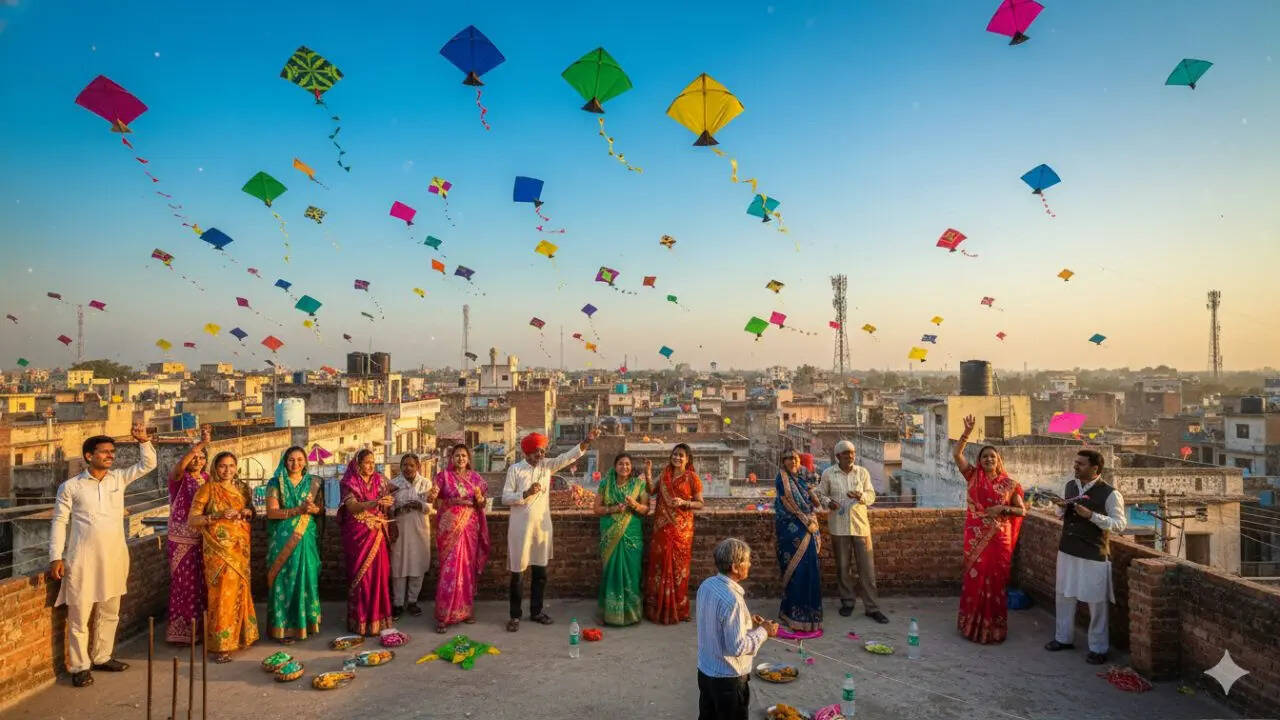
Kite makers across India are facing an existential crisis as the tradition of kite flying, known as patang baazi, dwindles. Once a vibrant cultural practice, this art form now finds artisans earning as little as Rs 120 a day. The decline reflects a broader shift in leisure activities, leaving many to question the fate of this cherished tradition.
In cities like Lucknow, Jaipur, and Delhi, kite flying was more than a pastime. It fostered friendships and rivalries, and even facilitated romantic gestures. “Before the era of smartphones, kites carried messages of love,” recalls Shabbir, a kite maker from Lucknow, who has dedicated over forty years to this craft. Today, that world feels increasingly fictional.
The statistics surrounding this decline tell a stark story. Kite makers report earning nothing on most days, with festive periods like Makar Sankranti only temporarily lifting their financial burdens. On good days, earnings might reach Rs 300, but these instances are fleeting. The skills honed over decades are now valued lower than those of daily wage laborers.
Creating a kite is a meticulous process that requires years of practice. The bamboo frames are carefully split and shaped, while the paper must be thin enough to soar yet strong enough to endure. A veteran maker from Delhi emphasizes, “This is the work of the hands, not machines.” Yet, the market is flooded with mass-produced, low-cost kites, which threaten the existence of handmade ones.
The decline of patang baazi has also impacted celebrations. Once a staple at weddings and festivals, kites have been replaced by modern decorations as preferences shift. One artisan remarks, “People now want modern themes,” indicating the loss of a cultural cornerstone.
The stories from these craftsmen often reveal a troubling reality. A kite maker in Lucknow shared that he had to withdraw his son from school due to financial constraints, stating, “The stomach comes first.” Many are forced to seek alternative labor to survive, abandoning the craft they love. “I have to do manual labor instead of making kites,” he lamented.
Technological advancements and changing leisure patterns have further diminished interest in kite flying. Children, once captivated by the art of flight, are now more engaged with screens. Furthermore, regulatory frameworks, such as the Aircraft Act of 1934, impose restrictions on kite flying, including permit requirements and bans on certain string types. While these rules aim to enhance safety, they contribute to a culture of fear that discourages participation.
Despite the challenges, the arrival of Makar Sankranti still brings a glimmer of hope for kite makers. During this festival, they prepare for a brief surge in demand, but they know it will not last. “A year’s wait, and earnings of just two days,” reflects a craftsman from Jaipur, underscoring the fragility of their situation.
The heart of the matter lies not just in lost income but in the loss of dignity and recognition. These artisans do not seek charity; they desire respect for their craft. Standing on a terrace in Lucknow, the wind whispers of a time when the sky was filled with vibrant colors. The spirit of patang baazi was never solely about kites; it was about community, rivalry, and the joy of connection.
As the last kite maker puts down his tools, the loss will be felt far beyond financial hardship. It will signify the erasure of a rich cultural narrative that once taught us to look up and embrace the skies. The hope remains that someone, somewhere, will remember and revive this tradition before it fades completely.

Albert Camus’ Insightful Quote on Human Identity Resurfaces

Drone Strikes and Missile Attacks Disrupt UAE Amid Rising Tensions

Japanese Yen Rises Sharply Against US Dollar Ahead of Key Decisions

Priyanka Chopra and Nick Jonas Avoid Near Miss en Route to Oscars

Gujarat Vaccinates Over 11 Lakh Infants in Major Health Drive

Alexandre Singh Wins Oscar, Celebrates Immigrant Heritage

Lok Sabha Speaker Issues Warning Over Placards in Parliament

Global Electrosurgical Devices Market Expands to $10.2 Billion by 2034

North Zone Dominates Cricket; SJAM-1 Shines in Table Tennis

SBI Announces QIP Floor Price at ₹811.05 Per Share

Cept Unveils ₹3.1 Crore Urban Mobility Plan for Sustainable Growth

New Blood Group Discovered in South Indian Woman at Rotary Centre

Konkani Cultural Organisation to Host Pearl Jubilee in Abu Dhabi

Torrential Rains Cause Flash Flooding in New York and New Jersey

Nothing Headphone 1 Review: A Bold Contender in Audio Design

Indian Stock Market Rebounds: Sensex and Nifty Rise After Four-Day Decline

Air India Crash Investigation Highlights Boeing Fuel Switch Concerns

Broad Advocates for Bowling Change Ahead of Final Test Against India
-
 World12 months ago
SBI Announces QIP Floor Price at ₹811.05 Per Share
-
 Lifestyle12 months ago
Cept Unveils ₹3.1 Crore Urban Mobility Plan for Sustainable Growth
-
 Science12 months ago
New Blood Group Discovered in South Indian Woman at Rotary Centre
-
 Top Stories12 months ago
Konkani Cultural Organisation to Host Pearl Jubilee in Abu Dhabi
-
 World12 months ago
Torrential Rains Cause Flash Flooding in New York and New Jersey
-
 Science12 months ago
Nothing Headphone 1 Review: A Bold Contender in Audio Design
-
 Business12 months ago
Indian Stock Market Rebounds: Sensex and Nifty Rise After Four-Day Decline
-
 Top Stories12 months ago
Air India Crash Investigation Highlights Boeing Fuel Switch Concerns
-
 Sports12 months ago
Broad Advocates for Bowling Change Ahead of Final Test Against India
-

 Sports12 months ago
Cristian Totti Retires at 19: Pressure of Fame Takes Toll
-

 Politics12 months ago
Abandoned Doberman Finds New Home After Journey to Prague
-

 Lifestyle12 months ago
Villagers Unite to Raise ₹45 Lakh for Water Solutions in Vadgam