
Business
Over 300 Tonnes of Manure Left Unclaimed in Salem Corporation

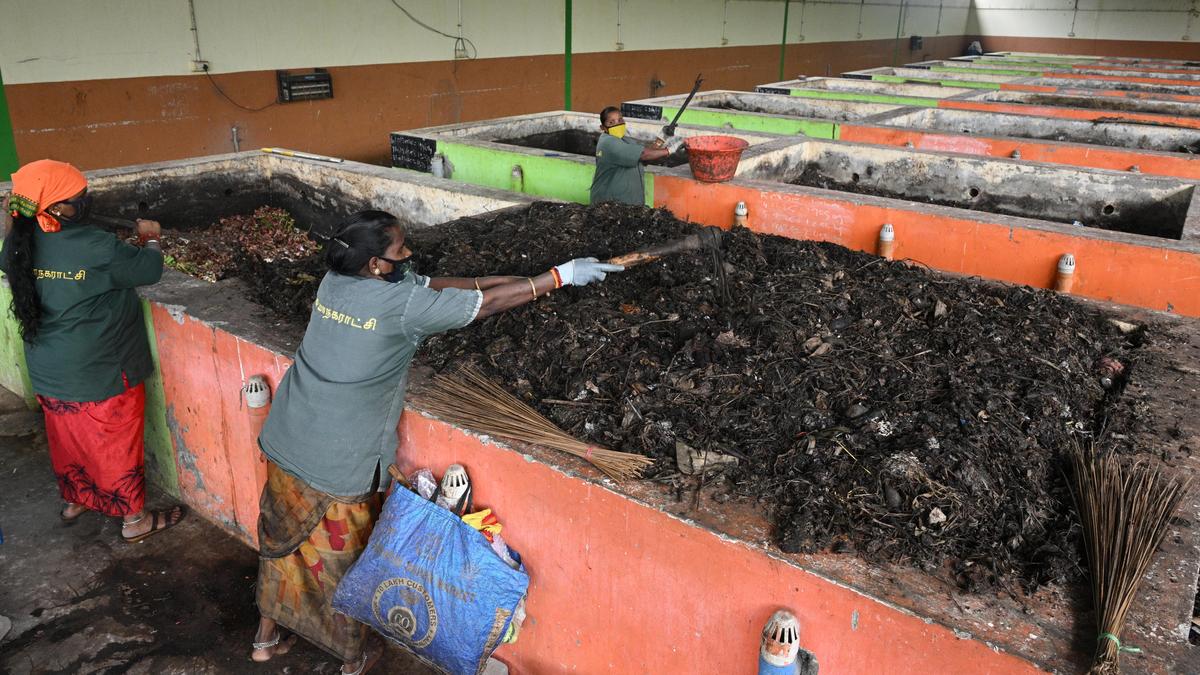
In a concerning development, over 300 tonnes of manure produced at the Micro Composting Centres (MCCs) in Salem Corporation remain unclaimed. Each day, approximately 550 tonnes of garbage are generated across the corporation’s 60 Wards, with segregated organic waste processed into manure at these facilities.
The MCCs, of which there are 36 in the corporation, are designed to convert household waste into valuable compost, with each centre capable of producing up to two tonnes of manure daily. While this manure is available free-of-charge to local farmers and residents with terrace gardens, demand has dwindled significantly in recent months. Over the past five months, more than 300 tonnes of manure has accumulated at these centres without any takers.
Challenges in Distribution and Adoption
Officials from Salem Corporation indicate that approximately 60 tonnes of waste are processed monthly, resulting in the production of 300 tonnes of manure. While some residents with home gardens have accepted the compost, farmers are showing a lack of interest. The primary obstacles appear to be the transport costs associated with retrieving the manure and a preference for conventional fertilizers over organic alternatives.
In response to this issue, the corporation, in collaboration with the District Collector, is actively promoting the benefits of natural manure through monthly farmers’ grievance redress meetings. These initiatives aim to encourage local farmers to consider the advantages of using organic compost in their agricultural practices.
As the city continues to generate substantial waste, the challenge of managing and distributing compost effectively remains a pressing concern. The ongoing efforts by Salem Corporation illustrate a commitment to sustainability, yet the reluctance from the agricultural community highlights the need for further engagement and education on the benefits of natural fertilizers.
Without increased interest and participation from farmers, the excess manure at the MCCs may continue to be a wasted resource, contradicting the very goals of waste management and environmental sustainability that the program seeks to achieve.

Albert Camus’ Insightful Quote on Human Identity Resurfaces

Drone Strikes and Missile Attacks Disrupt UAE Amid Rising Tensions

Japanese Yen Rises Sharply Against US Dollar Ahead of Key Decisions

Priyanka Chopra and Nick Jonas Avoid Near Miss en Route to Oscars

Gujarat Vaccinates Over 11 Lakh Infants in Major Health Drive

Alexandre Singh Wins Oscar, Celebrates Immigrant Heritage

Lok Sabha Speaker Issues Warning Over Placards in Parliament

Global Electrosurgical Devices Market Expands to $10.2 Billion by 2034

North Zone Dominates Cricket; SJAM-1 Shines in Table Tennis

SBI Announces QIP Floor Price at ₹811.05 Per Share

Cept Unveils ₹3.1 Crore Urban Mobility Plan for Sustainable Growth

New Blood Group Discovered in South Indian Woman at Rotary Centre

Konkani Cultural Organisation to Host Pearl Jubilee in Abu Dhabi

Torrential Rains Cause Flash Flooding in New York and New Jersey

Nothing Headphone 1 Review: A Bold Contender in Audio Design

Indian Stock Market Rebounds: Sensex and Nifty Rise After Four-Day Decline

Air India Crash Investigation Highlights Boeing Fuel Switch Concerns

Broad Advocates for Bowling Change Ahead of Final Test Against India
-
 World12 months ago
SBI Announces QIP Floor Price at ₹811.05 Per Share
-
 Lifestyle12 months ago
Cept Unveils ₹3.1 Crore Urban Mobility Plan for Sustainable Growth
-
 Science12 months ago
New Blood Group Discovered in South Indian Woman at Rotary Centre
-
 Top Stories12 months ago
Konkani Cultural Organisation to Host Pearl Jubilee in Abu Dhabi
-
 World12 months ago
Torrential Rains Cause Flash Flooding in New York and New Jersey
-
 Science12 months ago
Nothing Headphone 1 Review: A Bold Contender in Audio Design
-
 Business12 months ago
Indian Stock Market Rebounds: Sensex and Nifty Rise After Four-Day Decline
-
 Top Stories12 months ago
Air India Crash Investigation Highlights Boeing Fuel Switch Concerns
-
 Sports12 months ago
Broad Advocates for Bowling Change Ahead of Final Test Against India
-

 Sports12 months ago
Cristian Totti Retires at 19: Pressure of Fame Takes Toll
-

 Politics12 months ago
Abandoned Doberman Finds New Home After Journey to Prague
-
 Lifestyle12 months ago
Villagers Unite to Raise ₹45 Lakh for Water Solutions in Vadgam