
World
India-EU Free Trade Agreement Streamlined for Swift Approval

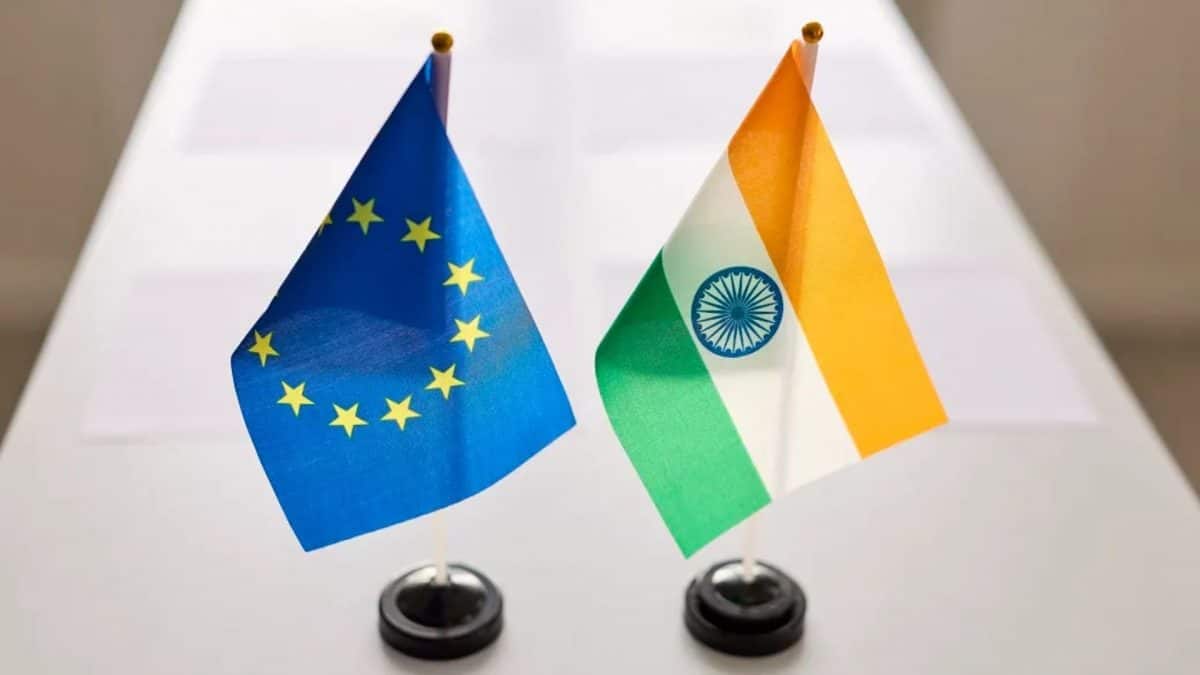
India and the European Union are advancing towards finalising their long-anticipated Free Trade Agreement (FTA), with a significant legal strategy poised to expedite the deal’s implementation. By structuring the agreement to avoid the classification of “mixed competence,” negotiators have created a pathway that may eliminate the need for ratification by the individual parliaments of all 27 EU member states.
Mixed competence refers to agreements that encompass both areas under the exclusive jurisdiction of the EU and those that fall within the shared jurisdiction of its member states. Typically, trade deals that include this classification face extensive bureaucratic challenges, often taking a decade to navigate the ratification process. A notable example includes the 2016 blockage of the EU-Canada deal by the regional assembly of Wallonia, which demonstrated how a single “no” vote can stall negotiations.
To circumvent these complications, the India-EU FTA is being designed as an “EU-only” agreement. This approach focuses exclusively on areas where the EU holds sole authority, such as tariff reductions, trade barriers, and digital trade. By doing so, the deal avoids the “mixed” label, allowing it to move forward more efficiently.
Strategic Benefits for India and the EU
The streamlined legal framework means that once the European Parliament and the Council of the European Union grant their approval, the agreement can be formally concluded and implemented without requiring endorsement from each of the 27 national capitals. This development is particularly advantageous for India, which has historically faced challenges in negotiating swift trade liberalisation with the EU due to the “mixed competence” issues.
The decision to strip away provisions that might overlap with national laws, such as certain investment protection clauses, reflects a mutual prioritisation of speed and reliability in negotiations. Both New Delhi and Brussels are motivated by the desire to diversify supply chains and reduce economic dependence on China. The FTA is seen as a cornerstone of this new strategic approach, offering Indian exporters enhanced access to the EU, the world’s largest single market, while providing European companies with a foothold in India’s rapidly growing middle class.
Despite some criticism regarding the potential limitations of avoiding “mixed competence,” particularly in areas like investment arbitration, the consensus appears to favour a functional agreement now over a theoretically comprehensive deal that could be delayed by domestic political processes in Europe. The priority is clear: achieving a ratified agreement today holds greater value than waiting for an ideal situation that could take years to materialise.
In conclusion, the India-EU Free Trade Agreement is positioning itself as a significant milestone in international trade relations, harnessing strategic legal structures to facilitate a more efficient path to implementation. This development is expected to enhance economic ties between the two regions, paving the way for future growth and collaboration.

Israel Moves to Expand Control Over West Bank Settlements

Zaima Rahman Campaigns in Dhaka’s Streets Ahead of Elections

India Confident in $500 Billion US Goods Purchase Over Five Years

New Gameplay Trailer Unveiled for Atre: Dominance Wars

SDH Banihal Maintains Low Referral Rate Despite Staff Shortages

Guinness Declares Japan’s Kinmemai Premium As Most Expensive Rice

Election Spending Surges in Karimnagar and Warangal Municipal Polls

Indian Satellite AFR Captures Images of International Space Station

India U19 Cricket Team Celebrated After World Cup Victory

SBI Announces QIP Floor Price at ₹811.05 Per Share

Cept Unveils ₹3.1 Crore Urban Mobility Plan for Sustainable Growth

New Blood Group Discovered in South Indian Woman at Rotary Centre

Torrential Rains Cause Flash Flooding in New York and New Jersey

Konkani Cultural Organisation to Host Pearl Jubilee in Abu Dhabi

Nothing Headphone 1 Review: A Bold Contender in Audio Design

Broad Advocates for Bowling Change Ahead of Final Test Against India

Air India Crash Investigation Highlights Boeing Fuel Switch Concerns

Indian Stock Market Rebounds: Sensex and Nifty Rise After Four-Day Decline
-
 World7 months ago
SBI Announces QIP Floor Price at ₹811.05 Per Share
-
 Lifestyle7 months ago
Cept Unveils ₹3.1 Crore Urban Mobility Plan for Sustainable Growth
-
 Science6 months ago
New Blood Group Discovered in South Indian Woman at Rotary Centre
-
 World7 months ago
Torrential Rains Cause Flash Flooding in New York and New Jersey
-
 Top Stories7 months ago
Konkani Cultural Organisation to Host Pearl Jubilee in Abu Dhabi
-
 Science7 months ago
Nothing Headphone 1 Review: A Bold Contender in Audio Design
-
 Sports6 months ago
Broad Advocates for Bowling Change Ahead of Final Test Against India
-
 Top Stories7 months ago
Air India Crash Investigation Highlights Boeing Fuel Switch Concerns
-
 Business7 months ago
Indian Stock Market Rebounds: Sensex and Nifty Rise After Four-Day Decline
-

 Sports6 months ago
Cristian Totti Retires at 19: Pressure of Fame Takes Toll
-

 Politics7 months ago
Abandoned Doberman Finds New Home After Journey to Prague
-

 Top Stories7 months ago
Patna Bank Manager Abhishek Varun Found Dead in Well