
Politics
Supreme Court to Review UGC Regulations on Caste Discrimination

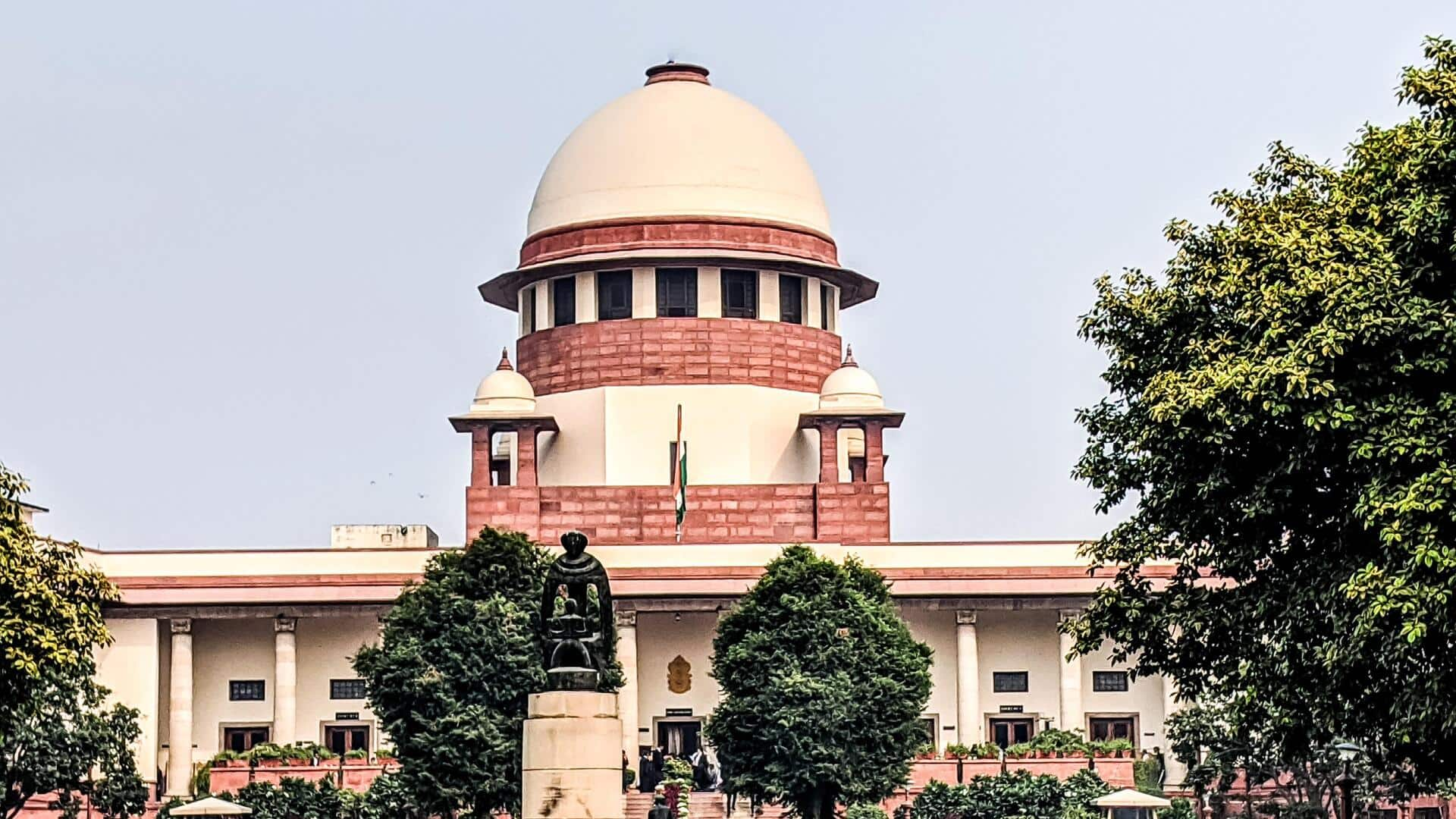
The Supreme Court of India has agreed to hear a petition challenging the new regulations introduced by the University Grants Commission (UGC) aimed at addressing caste discrimination in educational institutions. The petition was presented by Rahul Dewan and others and was discussed with Chief Justice Surya Kant for urgent consideration. The UGC guidelines have come under scrutiny for excluding students from the ‘general category’ from utilizing the grievance redressal mechanism.
Notified on January 13, 2026, the UGC’s regulations focus on promoting equity in higher education across India. They aim to eliminate discrimination based on religion, race, gender, place of birth, caste, or disability, particularly for those belonging to Scheduled Castes, Scheduled Tribes, and economically disadvantaged groups. The regulations mandate that educational institutions establish Equal Opportunity Centers and Equity Committees to facilitate the implementation of these policies and to address complaints of discrimination.
The petitioners argue that the current framework is exclusionary, as it limits rights to grievance redressal and institutional protections to individuals not categorized under Scheduled Castes, Scheduled Tribes, or Other Backward Classes. They contend that this selective approach may foster discrimination against students from non-reserved categories, transforming the regulations into a divisive tool rather than one promoting equity. The petition seeks to halt the implementation of these regulations in their existing form and requests a declaration that denying grievance redressal based on caste identity constitutes unacceptable state discrimination.
Protests have erupted nationwide, with members of dominant castes claiming the regulations are biased and will be weaponized against them in academic settings. Various student organizations have called for an immediate rollback of the guidelines. In response to these concerns, the government has asserted that the new regulations are designed to combat caste bias and will not result in discrimination against any group.
The Supreme Court’s decision to hear the plea marks a significant moment in the ongoing debate over caste discrimination in India’s educational system. As the case progresses, it may have profound implications for how educational policies are structured and enforced across the country.

Israel Moves to Expand Control Over West Bank Settlements

Zaima Rahman Campaigns in Dhaka’s Streets Ahead of Elections

India Confident in $500 Billion US Goods Purchase Over Five Years

New Gameplay Trailer Unveiled for Atre: Dominance Wars

SDH Banihal Maintains Low Referral Rate Despite Staff Shortages

Guinness Declares Japan’s Kinmemai Premium As Most Expensive Rice

Election Spending Surges in Karimnagar and Warangal Municipal Polls

Indian Satellite AFR Captures Images of International Space Station

India U19 Cricket Team Celebrated After World Cup Victory

SBI Announces QIP Floor Price at ₹811.05 Per Share

Cept Unveils ₹3.1 Crore Urban Mobility Plan for Sustainable Growth

New Blood Group Discovered in South Indian Woman at Rotary Centre

Torrential Rains Cause Flash Flooding in New York and New Jersey

Konkani Cultural Organisation to Host Pearl Jubilee in Abu Dhabi

Nothing Headphone 1 Review: A Bold Contender in Audio Design

Broad Advocates for Bowling Change Ahead of Final Test Against India

Air India Crash Investigation Highlights Boeing Fuel Switch Concerns

Indian Stock Market Rebounds: Sensex and Nifty Rise After Four-Day Decline
-
 World7 months ago
SBI Announces QIP Floor Price at ₹811.05 Per Share
-
 Lifestyle7 months ago
Cept Unveils ₹3.1 Crore Urban Mobility Plan for Sustainable Growth
-
 Science6 months ago
New Blood Group Discovered in South Indian Woman at Rotary Centre
-
 World7 months ago
Torrential Rains Cause Flash Flooding in New York and New Jersey
-
 Top Stories7 months ago
Konkani Cultural Organisation to Host Pearl Jubilee in Abu Dhabi
-
 Science7 months ago
Nothing Headphone 1 Review: A Bold Contender in Audio Design
-
 Sports6 months ago
Broad Advocates for Bowling Change Ahead of Final Test Against India
-
 Top Stories7 months ago
Air India Crash Investigation Highlights Boeing Fuel Switch Concerns
-
 Business7 months ago
Indian Stock Market Rebounds: Sensex and Nifty Rise After Four-Day Decline
-

 Sports6 months ago
Cristian Totti Retires at 19: Pressure of Fame Takes Toll
-

 Politics7 months ago
Abandoned Doberman Finds New Home After Journey to Prague
-
 Top Stories7 months ago
Patna Bank Manager Abhishek Varun Found Dead in Well