
Lifestyle
Don Ritchie: The Australian Who Saved Lives at The Gap

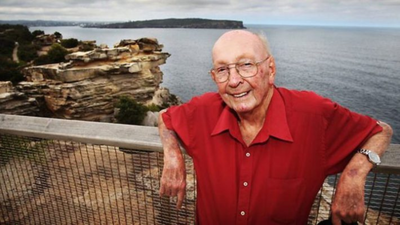
Don Ritchie, an Australian known for his compassionate interventions, dedicated nearly five decades to saving lives at The Gap, a notorious suicide hotspot in Sydney. Ritchie, who lived in a modest home overlooking the sheer cliffs, approached individuals in distress and engaged them in conversation, ultimately credited with preventing over 160 suicides during his lifetime.
Throughout his years at The Gap, Ritchie observed a troubling pattern. People frequently lingered near the cliff’s edge, often appearing lost or distressed. Rather than turning away, he consistently crossed the road to speak with them. His approach was simple yet effective; Ritchie would ask gentle questions, listen intently, and often invite individuals back to his home for a cup of tea. This act of kindness created a safe space for conversations that could save lives.
Building Connections Through Conversation
Ritchie’s method was not about offering solutions or advice. Instead, he focused on listening without judgment. He engaged individuals with straightforward questions, allowing them to express their thoughts and feelings at their own pace. Many found solace in his presence and the warmth of his home. He often waited with them until professional help could arrive if needed.
His neighbors, local police, and community groups recognized Ritchie’s remarkable contributions, attributing him with the moniker “Angel of The Gap.” Mental health professionals later explained that such calm conversations could significantly impact those in crisis. They noted that simply slowing down, moving indoors, and sharing a warm drink could help ease the immediate tension of distress, often providing enough time for individuals to reconsider their actions.
A Legacy of Compassion and Recognition
While many of Ritchie’s interventions went unrecorded, local accounts suggest he may have helped even more than the documented 160 rescues. His approach remained consistent: an individual would be seen near the cliffs, Ritchie would reach out, and a meaningful conversation would follow, resulting in the person leaving the area safely.
His wife, Moya Ritchie, played a crucial role in supporting this work throughout the years. She welcomed strangers into their home, helping to create an environment conducive to the calm conversations that became Ritchie’s hallmark. Together, they fostered an atmosphere of understanding and safety.
In recognition of his selfless service to the community, Ritchie received the Medal of the Order of Australia in 2006. Despite such honors, he remained humble, preferring to continue his routine quietly and without fanfare. As he aged and his health declined, Ritchie still kept a watchful eye from his window, alerting authorities when he noticed someone in distress.
Ritchie passed away on May 13, 2012, at the age of 85. While memorials near The Gap commemorate his contributions, much of his work remains known primarily through the stories of those he helped and the community that witnessed his compassionate acts. His legacy is one of everyday heroism, characterized by simple gestures—a walk across the road, a few gentle questions, and the offer of tea—repeated consistently over many years.

VHP Demands Title Change for Manoj Bajpayee’s Film Amid Controversy

Delhi-NCR Faces Influenza A (H3N2) Surge: Health Alert Issued

India Dominates BOXAM Elite 2026 with Nine Gold Medals

Assam SIT Investigates Gaurav Gogoi’s Alleged Pakistan Links

NASA Unveils Dramatic Changes in Interstellar Comet 3I/ATLAS

New Zealand Triumphs Over Afghanistan in T20 World Cup Opener

Search Intensifies for Nancy Guthrie as Law Enforcement Visits Tucson Home

Andhra Police Enhance Crackdown on Drugs with Surprise Inspection

Understanding ‘Rife’: A Look at Its Meaning and Usage

SBI Announces QIP Floor Price at ₹811.05 Per Share

Cept Unveils ₹3.1 Crore Urban Mobility Plan for Sustainable Growth

New Blood Group Discovered in South Indian Woman at Rotary Centre

Torrential Rains Cause Flash Flooding in New York and New Jersey

Konkani Cultural Organisation to Host Pearl Jubilee in Abu Dhabi

Nothing Headphone 1 Review: A Bold Contender in Audio Design

Broad Advocates for Bowling Change Ahead of Final Test Against India

Air India Crash Investigation Highlights Boeing Fuel Switch Concerns

Indian Stock Market Rebounds: Sensex and Nifty Rise After Four-Day Decline
-
 World7 months ago
SBI Announces QIP Floor Price at ₹811.05 Per Share
-
 Lifestyle7 months ago
Cept Unveils ₹3.1 Crore Urban Mobility Plan for Sustainable Growth
-
 Science6 months ago
New Blood Group Discovered in South Indian Woman at Rotary Centre
-
 World7 months ago
Torrential Rains Cause Flash Flooding in New York and New Jersey
-
 Top Stories7 months ago
Konkani Cultural Organisation to Host Pearl Jubilee in Abu Dhabi
-
 Science7 months ago
Nothing Headphone 1 Review: A Bold Contender in Audio Design
-
 Sports6 months ago
Broad Advocates for Bowling Change Ahead of Final Test Against India
-
 Top Stories7 months ago
Air India Crash Investigation Highlights Boeing Fuel Switch Concerns
-
 Business7 months ago
Indian Stock Market Rebounds: Sensex and Nifty Rise After Four-Day Decline
-

 Sports6 months ago
Cristian Totti Retires at 19: Pressure of Fame Takes Toll
-

 Politics7 months ago
Abandoned Doberman Finds New Home After Journey to Prague
-

 Top Stories7 months ago
Patna Bank Manager Abhishek Varun Found Dead in Well