
Health
Bombay High Court Grants Disability Pension to Ailing Soldiers

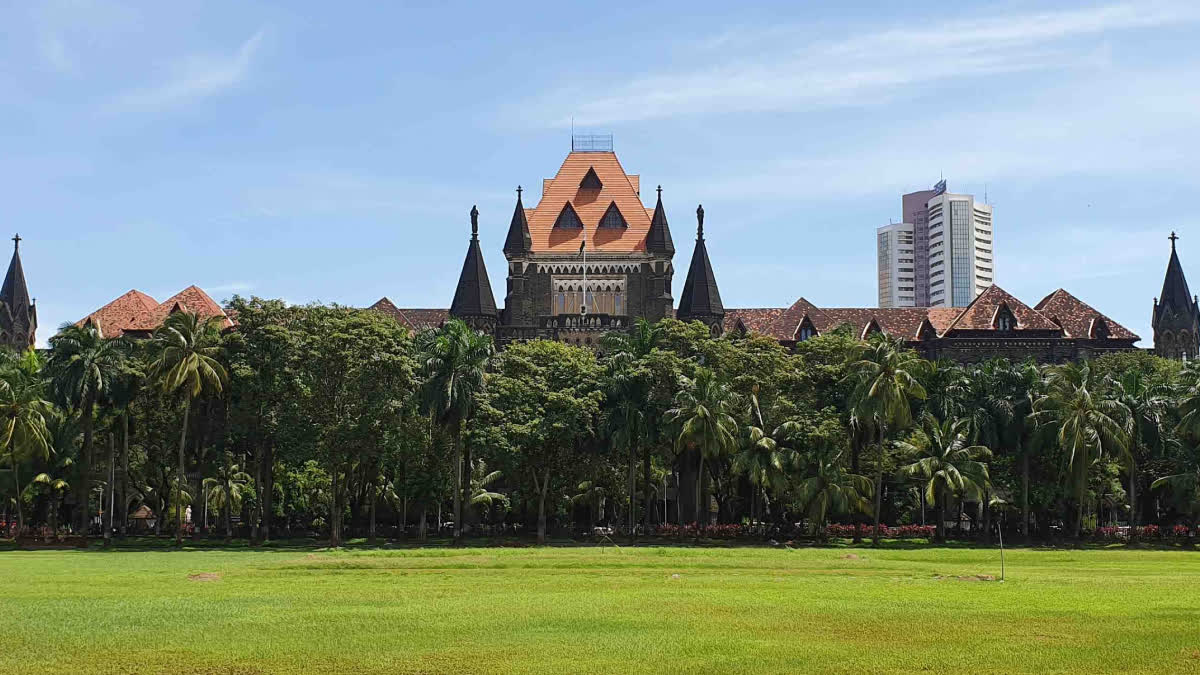
The Bombay High Court has issued a landmark ruling that enables soldiers suffering from conditions such as diabetes, hypertension, obesity, and spinal disorders to qualify for disability pension benefits. The court determined that these medical issues should not be classified as ‘lifestyle diseases’ if they are aggravated by or directly related to military service.
Lieutenant Colonel S K Rathod, who served in the armed forces for 23 years, faced a personal battle when he was discharged on medical grounds in 2003. His service included postings in sensitive areas like Ladakh and Manipur during significant operations, including Operation Rakshak and Operation Parakram. Unfortunately, he was declared unfit for service and denied a pension. The central government and the medical board contended that conditions such as diabetes are common and thus do not warrant disability pension benefits. This argument was rejected by the Armed Forces Tribunal, prompting an appeal to the Bombay High Court.
High Court Upholds Soldiers’ Rights
The petition was reviewed by a bench consisting of Chief Justice Alok Aradhe and Justice Gautam Ankhad. Following the hearings, the High Court upheld the tribunal’s decision, affirming that soldiers affected by common illnesses, including diabetes and hypertension, are entitled to disability pension benefits. The court emphasized that even prevalent health issues can significantly interrupt military service, warranting compensation for the affected personnel.
The ruling clarifies that a pension is not merely a reward from the government, but rather a form of compensation for the dedicated service provided by soldiers to the nation. It plays a crucial role in ensuring financial stability for veterans after their retirement. The court further observed that requiring soldiers to prove that their conditions developed during service is unreasonable, given the unique stresses and challenges they face in the line of duty.
This ruling marks a significant step forward in recognizing the rights of military personnel with medical conditions, reinforcing the principle that their sacrifices during service should be acknowledged and compensated appropriately. The decision is expected to have broad implications for the treatment of soldiers suffering from various health issues, setting a precedent for future cases in both military and civilian contexts.

Jack Lang Resigns from Cultural Role Amid Epstein Tax Probe

Piyush Goyal Confident in India-US Trade Deal Amid Opposition Criticism

Piyush Goyal Defends India’s Agricultural Stance in Trade Talks

VHP Demands Title Change for Manoj Bajpayee’s Film Amid Controversy

Delhi-NCR Faces Influenza A (H3N2) Surge: Health Alert Issued

India Dominates BOXAM Elite 2026 with Nine Gold Medals

Assam SIT Investigates Gaurav Gogoi’s Alleged Pakistan Links

NASA Unveils Dramatic Changes in Interstellar Comet 3I/ATLAS

New Zealand Triumphs Over Afghanistan in T20 World Cup Opener

SBI Announces QIP Floor Price at ₹811.05 Per Share

Cept Unveils ₹3.1 Crore Urban Mobility Plan for Sustainable Growth

New Blood Group Discovered in South Indian Woman at Rotary Centre

Torrential Rains Cause Flash Flooding in New York and New Jersey

Konkani Cultural Organisation to Host Pearl Jubilee in Abu Dhabi

Nothing Headphone 1 Review: A Bold Contender in Audio Design

Broad Advocates for Bowling Change Ahead of Final Test Against India

Air India Crash Investigation Highlights Boeing Fuel Switch Concerns

Indian Stock Market Rebounds: Sensex and Nifty Rise After Four-Day Decline
-
 World7 months ago
SBI Announces QIP Floor Price at ₹811.05 Per Share
-
 Lifestyle7 months ago
Cept Unveils ₹3.1 Crore Urban Mobility Plan for Sustainable Growth
-
 Science6 months ago
New Blood Group Discovered in South Indian Woman at Rotary Centre
-
 World7 months ago
Torrential Rains Cause Flash Flooding in New York and New Jersey
-
 Top Stories7 months ago
Konkani Cultural Organisation to Host Pearl Jubilee in Abu Dhabi
-
 Science7 months ago
Nothing Headphone 1 Review: A Bold Contender in Audio Design
-
 Sports6 months ago
Broad Advocates for Bowling Change Ahead of Final Test Against India
-
 Top Stories7 months ago
Air India Crash Investigation Highlights Boeing Fuel Switch Concerns
-
 Business7 months ago
Indian Stock Market Rebounds: Sensex and Nifty Rise After Four-Day Decline
-

 Sports6 months ago
Cristian Totti Retires at 19: Pressure of Fame Takes Toll
-

 Politics7 months ago
Abandoned Doberman Finds New Home After Journey to Prague
-
 Top Stories7 months ago
Patna Bank Manager Abhishek Varun Found Dead in Well