
Top Stories
Maha Shivratri 2026: Fasting Guidelines and Key Dates Revealed

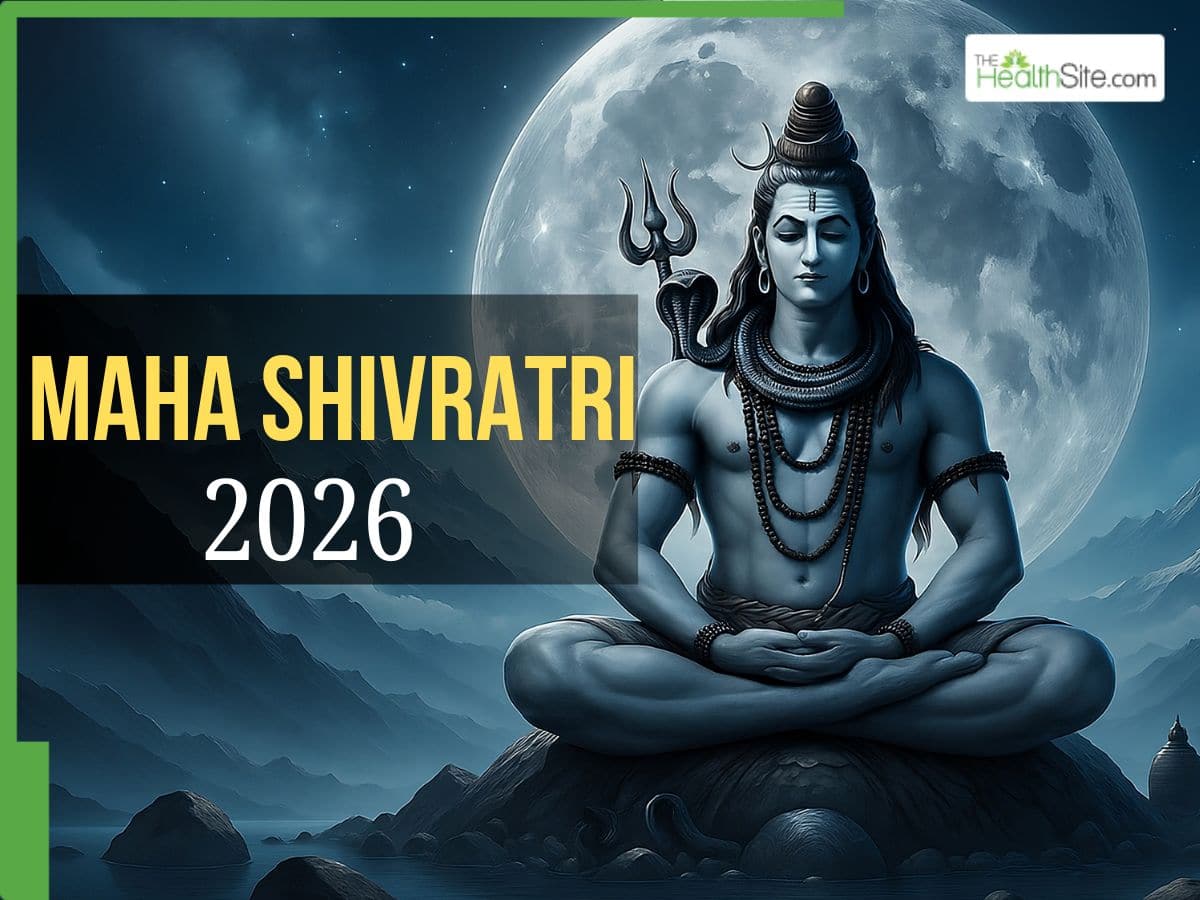
Maha Shivratri, a significant festival dedicated to Lord Shiva, will be celebrated on February 15, 2026, with rituals extending into the early hours of February 16, 2026. Devotees observe this occasion through various practices, including fasting, which holds spiritual importance in Hindu tradition. This article outlines the essential dates, fasting guidelines, and health tips for those participating in the celebrations.
Key Dates and Rituals for Maha Shivratri 2026
The festival of Maha Shivratri is marked by the Chaturdashi Tithi, which commences on February 15 at 17:04 and concludes on February 16 at 17:34. A special moment during the festivities is the Nishita Kaal Puja, scheduled for the early hours of February 16 from 00:09 to 01:01. Devotees often chant “Om Namah Shivaya,” offer bilva leaves, and perform various pujas throughout the night.
The fasting period ends after 06:59 AM on February 16. Participants engage in spiritual activities and rituals to honor Lord Shiva and seek his blessings.
Fasting Do’s and Don’ts for Devotees
Fasting during Maha Shivratri goes beyond mere abstinence from food; it is a practice aimed at purifying the body and mind. Adhering to specific guidelines can enhance the spiritual experience while ensuring health is not compromised.
What to Eat?
During the fast, individuals typically consume only sattvic foods that are considered pure and beneficial. Approved items include:
– Fruits such as bananas, apples, papayas, and pomegranates.
– Dairy products like milk, curd, and buttermilk.
– Dry fruits and nuts.
– Sabudana (sago), Kuttu (buckwheat) flour, and Singhara (water chestnut) flour.
– Rock salt, known as sendha namak.
What to Avoid?
Certain foods are to be strictly avoided during fasting:
– Rice, wheat, and regular flours.
– Onion and garlic.
– Pulses and lentils.
– Table salt, alcohol, and non-vegetarian dishes.
Eating light and clean foods helps maintain energy and facilitates detoxification.
In addition to dietary choices, staying hydrated is crucial. Devotees are encouraged to drink plenty of water and limit caffeine intake to prevent dehydration. It is advisable to choose non-citrus fruits and consume them in moderation. For those with health concerns, such as diabetes or heart conditions, consulting a healthcare provider before fasting is recommended.
The aim of fasting is not merely to abstain from food but to cultivate a deeper connection with Lord Shiva through devotion. Engaging in this spiritual discipline should not compromise one’s health, as Lord Shiva values genuine devotion over physical hardship.
As Maha Shivratri approaches, devotees are reminded to prepare thoughtfully and observe their fasting rituals with care and reverence.

Assam SIT Investigates Gaurav Gogoi’s Alleged Pakistan Links

NASA Unveils Dramatic Changes in Interstellar Comet 3I/ATLAS

New Zealand Triumphs Over Afghanistan in T20 World Cup Opener

Search Intensifies for Nancy Guthrie as Law Enforcement Visits Tucson Home

Andhra Police Enhance Crackdown on Drugs with Surprise Inspection

Understanding ‘Rife’: A Look at Its Meaning and Usage

Aneet Padda’s ‘Shakti Shalini’ Starts Filming in March 2024

Lancet Editor Warns of Imminent Pandemic Threats

PM Modi Honored with Ceremony in Malaysia Amid Strategic Talks

SBI Announces QIP Floor Price at ₹811.05 Per Share

Cept Unveils ₹3.1 Crore Urban Mobility Plan for Sustainable Growth

New Blood Group Discovered in South Indian Woman at Rotary Centre

Torrential Rains Cause Flash Flooding in New York and New Jersey

Konkani Cultural Organisation to Host Pearl Jubilee in Abu Dhabi

Nothing Headphone 1 Review: A Bold Contender in Audio Design

Broad Advocates for Bowling Change Ahead of Final Test Against India

Air India Crash Investigation Highlights Boeing Fuel Switch Concerns

Indian Stock Market Rebounds: Sensex and Nifty Rise After Four-Day Decline
-
 World7 months ago
SBI Announces QIP Floor Price at ₹811.05 Per Share
-
 Lifestyle7 months ago
Cept Unveils ₹3.1 Crore Urban Mobility Plan for Sustainable Growth
-
 Science6 months ago
New Blood Group Discovered in South Indian Woman at Rotary Centre
-
 World7 months ago
Torrential Rains Cause Flash Flooding in New York and New Jersey
-
 Top Stories7 months ago
Konkani Cultural Organisation to Host Pearl Jubilee in Abu Dhabi
-
 Science7 months ago
Nothing Headphone 1 Review: A Bold Contender in Audio Design
-
 Sports6 months ago
Broad Advocates for Bowling Change Ahead of Final Test Against India
-
 Top Stories7 months ago
Air India Crash Investigation Highlights Boeing Fuel Switch Concerns
-
 Business7 months ago
Indian Stock Market Rebounds: Sensex and Nifty Rise After Four-Day Decline
-

 Sports6 months ago
Cristian Totti Retires at 19: Pressure of Fame Takes Toll
-

 Politics7 months ago
Abandoned Doberman Finds New Home After Journey to Prague
-
 Top Stories7 months ago
Patna Bank Manager Abhishek Varun Found Dead in Well