
Politics
Norway Raises Alarm Over Growing Russian and Chinese Arctic Presence

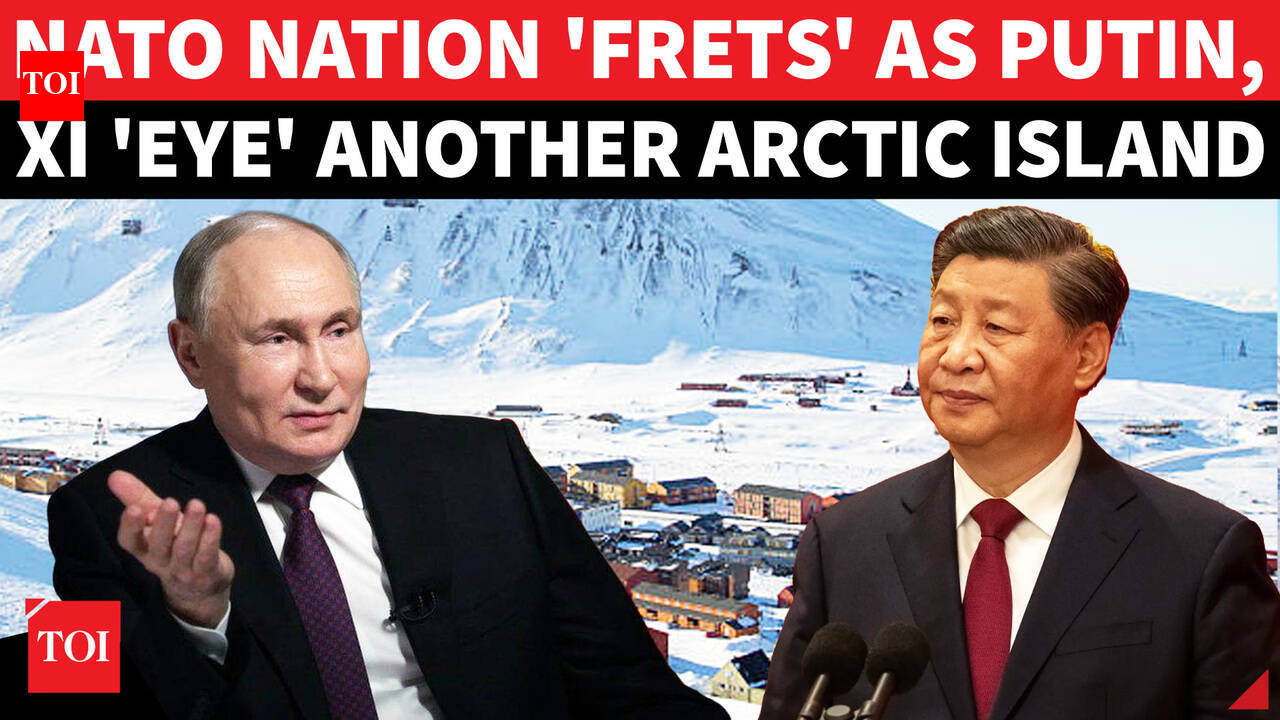
Norway’s military intelligence has issued a warning regarding increasing Russian and Chinese efforts to expand their influence in the Arctic archipelago of Svalbard. In a recent threat assessment, the Norwegian government emphasized that Russia considers Svalbard’s strategic location essential and is actively working to enhance its presence, particularly in the Russian-populated settlement of Barentsburg. This includes reducing dependence on Norwegian infrastructure through more frequent ship visits to the area.
The report highlights that Russia’s activities in Svalbard are not isolated but part of a broader strategy to solidify its foothold in the Arctic region. The Norwegian intelligence community has expressed concerns that Moscow sees the archipelago as a vital gateway to the Arctic, thereby increasing military and economic interests in the area.
At the same time, China is ramping up its polar research and shipping activities, seeking to assert a more significant role in Arctic affairs. The Chinese government has been investing in various projects aimed at expanding its influence, which aligns with its broader ambitions in the region. Norwegian officials are particularly apprehensive about the implications of these developments, especially as rising tensions between the U.S. and Europe over strategic interests in the Arctic, including Greenland, create an environment that could benefit both Russia and China.
Geopolitical Implications and Regional Stability
The growing presence of these two nations in the Arctic raises significant questions about regional security and international cooperation. Norway’s military intelligence report indicates a potential shift in the balance of power in the Arctic, which could have far-reaching consequences for NATO members and their collective security strategies.
Norwegian officials note that the current geopolitical climate is marked by increasing strain within Western alliances, which could embolden Moscow and Beijing to pursue their Arctic ambitions more aggressively. As both countries enhance their presence, Norway is likely to face mounting pressure to respond effectively to these changes while maintaining its commitments to international law and collaboration with fellow NATO members.
The Arctic region has long been seen as an area of immense potential for natural resources, shipping routes, and strategic military positioning. As nations like Russia and China seek to capitalize on these opportunities, the need for clear policies and cooperative frameworks becomes increasingly urgent. Norway’s proactive stance in addressing these threats underscores the importance of vigilance in safeguarding national interests while fostering regional stability.
In conclusion, the situation in Svalbard serves as a critical reminder of the evolving dynamics in the Arctic. As Norway raises the alarm over the actions of Russia and China, it highlights the broader implications for international relations and the need for a united response to secure the region’s future.

Owaisi Challenges Government After Supreme Court Stays UGC Regulations

Canada’s Stephen Gogolev Shines with Olympic Debut in Milan

Punjab Governor Hosts First Samaadhaan Shivir for Residents

Delhi Police Arrest 82 for Brandishing Weapons Online

Rajiv Swagruha Corporation Secures ₹56 Crore from Plot Auction

Hania Aamir and Asim Azhar Spark Wedding Rumours for 2026

Saquon Barkley Offers Nerve-Handling Tips Ahead of Super Bowl 2026

Awareness Programme Tackles PCOD Among Young Women in Hyderabad

India Boosts Defence Budget to ₹7.85 Lakh Crore Amid Military Shift

SBI Announces QIP Floor Price at ₹811.05 Per Share

Cept Unveils ₹3.1 Crore Urban Mobility Plan for Sustainable Growth

New Blood Group Discovered in South Indian Woman at Rotary Centre

Torrential Rains Cause Flash Flooding in New York and New Jersey

Konkani Cultural Organisation to Host Pearl Jubilee in Abu Dhabi

Nothing Headphone 1 Review: A Bold Contender in Audio Design

Broad Advocates for Bowling Change Ahead of Final Test Against India

Air India Crash Investigation Highlights Boeing Fuel Switch Concerns

Indian Stock Market Rebounds: Sensex and Nifty Rise After Four-Day Decline
-
 World7 months ago
SBI Announces QIP Floor Price at ₹811.05 Per Share
-
 Lifestyle7 months ago
Cept Unveils ₹3.1 Crore Urban Mobility Plan for Sustainable Growth
-
 Science6 months ago
New Blood Group Discovered in South Indian Woman at Rotary Centre
-
 World7 months ago
Torrential Rains Cause Flash Flooding in New York and New Jersey
-
 Top Stories7 months ago
Konkani Cultural Organisation to Host Pearl Jubilee in Abu Dhabi
-
 Science7 months ago
Nothing Headphone 1 Review: A Bold Contender in Audio Design
-
 Sports6 months ago
Broad Advocates for Bowling Change Ahead of Final Test Against India
-
 Top Stories7 months ago
Air India Crash Investigation Highlights Boeing Fuel Switch Concerns
-
 Business7 months ago
Indian Stock Market Rebounds: Sensex and Nifty Rise After Four-Day Decline
-

 Sports6 months ago
Cristian Totti Retires at 19: Pressure of Fame Takes Toll
-

 Politics7 months ago
Abandoned Doberman Finds New Home After Journey to Prague
-

 Top Stories7 months ago
Patna Bank Manager Abhishek Varun Found Dead in Well