
Health
Surge in Antacid Use in India Raises Health Concerns

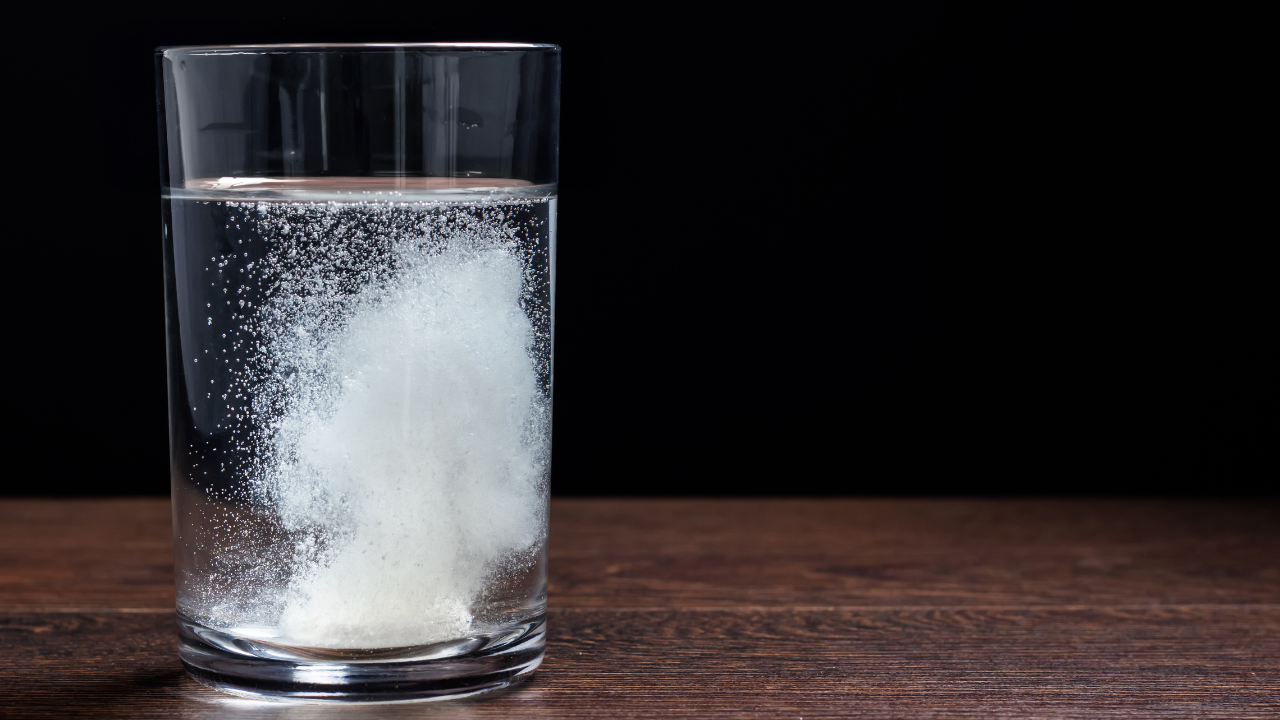
The casual use of antacids among many Indians is raising significant health concerns. A growing number of individuals are taking antacids, such as chewable tablets, after heavy meals or during work breaks. While this practice may provide immediate relief from discomfort, it can lead to serious health issues, including electrolyte imbalances, kidney stress, and increased cardiovascular risk. Recent medical reviews underscore the potential dangers associated with the long-term, unsupervised use of these medications.
Antacids, which encompass a range of products including calcium carbonate, magnesium hydroxide, and sodium bicarbonate, are often used to neutralize stomach acid. While short-term use for occasional heartburn is typically safe, chronic consumption without medical guidance can lead to complications. For instance, aluminium- or calcium-based antacids can cause constipation and bone issues, while individuals with compromised kidney function may face aluminium toxicity. Additionally, magnesium-based antacids can result in diarrhea and elevated magnesium levels, particularly in those with kidney problems. Sodium bicarbonate may lead to metabolic alkalosis and sodium overload, exacerbating conditions such as heart failure or high blood pressure.
The risks associated with prescription medications such as proton-pump inhibitors (PPIs) add another layer of concern. These drugs, commonly prescribed for acid reflux, are often taken indefinitely without reevaluation. Large observational studies have linked long-term PPI use to increased risks of chronic kidney disease and acute interstitial nephritis. Moreover, there are potential interactions with medications like clopidogrel, which could elevate the risk of cardiovascular events. While these studies do not establish direct causation, healthcare professionals advise regular assessments for those on PPIs.
The surge in antacid usage in India can be attributed to several factors. Many antacids are inexpensive and available over-the-counter, making them easily accessible. Additionally, cultural habits often associate spicy meals with the need for quick relief from heartburn, encouraging repeated use of these medications. Reports in the media have highlighted the risks associated with masking serious underlying health issues, as symptoms are merely dulled by frequent antacid consumption.
Healthcare experts recommend against self-medicating with antacids on a daily basis. Individuals experiencing frequent heartburn should seek medical advice to explore underlying issues such as gastroesophageal reflux disease (GERD), H. pylori infections, and even cardiac conditions. Effective management may include lifestyle modifications, supervised short-term use of PPIs, and monitoring of kidney function for those who rely on antacids long-term.
In conclusion, while antacids can provide relief for digestive discomfort, they should not be treated as casual remedies. It is essential for individuals to use these medications sparingly, investigate persistent symptoms, and consult healthcare professionals to prevent short-term solutions from leading to long-term harm.

Meghan Markle’s Potential UK Return Tied to Prince Harry’s Security

Indian Women Display Strength and Tradition at WHO Summit

Devotees Gather for Morning Aarti at Siddhivinayak Temple

U.S. Launches Major Airstrikes Against ISIS in Syria

ISRO Set to Launch PSLV-C62 with Strategic EOS-N1 Satellite

FIFA World Cup Trophy Shines in New Delhi During Tour

Pro-Monarchy Rally in Kathmandu Calls for Restoration Ahead of Elections

Chiranjeevi’s Film ‘Mana Shankara Varaprasad Garu’ Ratings Blocked

Market Volatility Calls for Caution Amid Global Tensions

SBI Announces QIP Floor Price at ₹811.05 Per Share

Cept Unveils ₹3.1 Crore Urban Mobility Plan for Sustainable Growth

New Blood Group Discovered in South Indian Woman at Rotary Centre

Torrential Rains Cause Flash Flooding in New York and New Jersey

Konkani Cultural Organisation to Host Pearl Jubilee in Abu Dhabi

Nothing Headphone 1 Review: A Bold Contender in Audio Design

Broad Advocates for Bowling Change Ahead of Final Test Against India

Air India Crash Investigation Highlights Boeing Fuel Switch Concerns

Indian Stock Market Rebounds: Sensex and Nifty Rise After Four-Day Decline
-
 World6 months ago
SBI Announces QIP Floor Price at ₹811.05 Per Share
-
 Lifestyle6 months ago
Cept Unveils ₹3.1 Crore Urban Mobility Plan for Sustainable Growth
-
 Science6 months ago
New Blood Group Discovered in South Indian Woman at Rotary Centre
-
 World6 months ago
Torrential Rains Cause Flash Flooding in New York and New Jersey
-
 Top Stories6 months ago
Konkani Cultural Organisation to Host Pearl Jubilee in Abu Dhabi
-
 Science6 months ago
Nothing Headphone 1 Review: A Bold Contender in Audio Design
-
 Sports6 months ago
Broad Advocates for Bowling Change Ahead of Final Test Against India
-
 Top Stories6 months ago
Air India Crash Investigation Highlights Boeing Fuel Switch Concerns
-
 Business6 months ago
Indian Stock Market Rebounds: Sensex and Nifty Rise After Four-Day Decline
-

 Sports6 months ago
Cristian Totti Retires at 19: Pressure of Fame Takes Toll
-

 Politics6 months ago
Abandoned Doberman Finds New Home After Journey to Prague
-

 Top Stories6 months ago
Patna Bank Manager Abhishek Varun Found Dead in Well