
Health
Expert Tips to Master Houseplant Repotting Without Mistakes

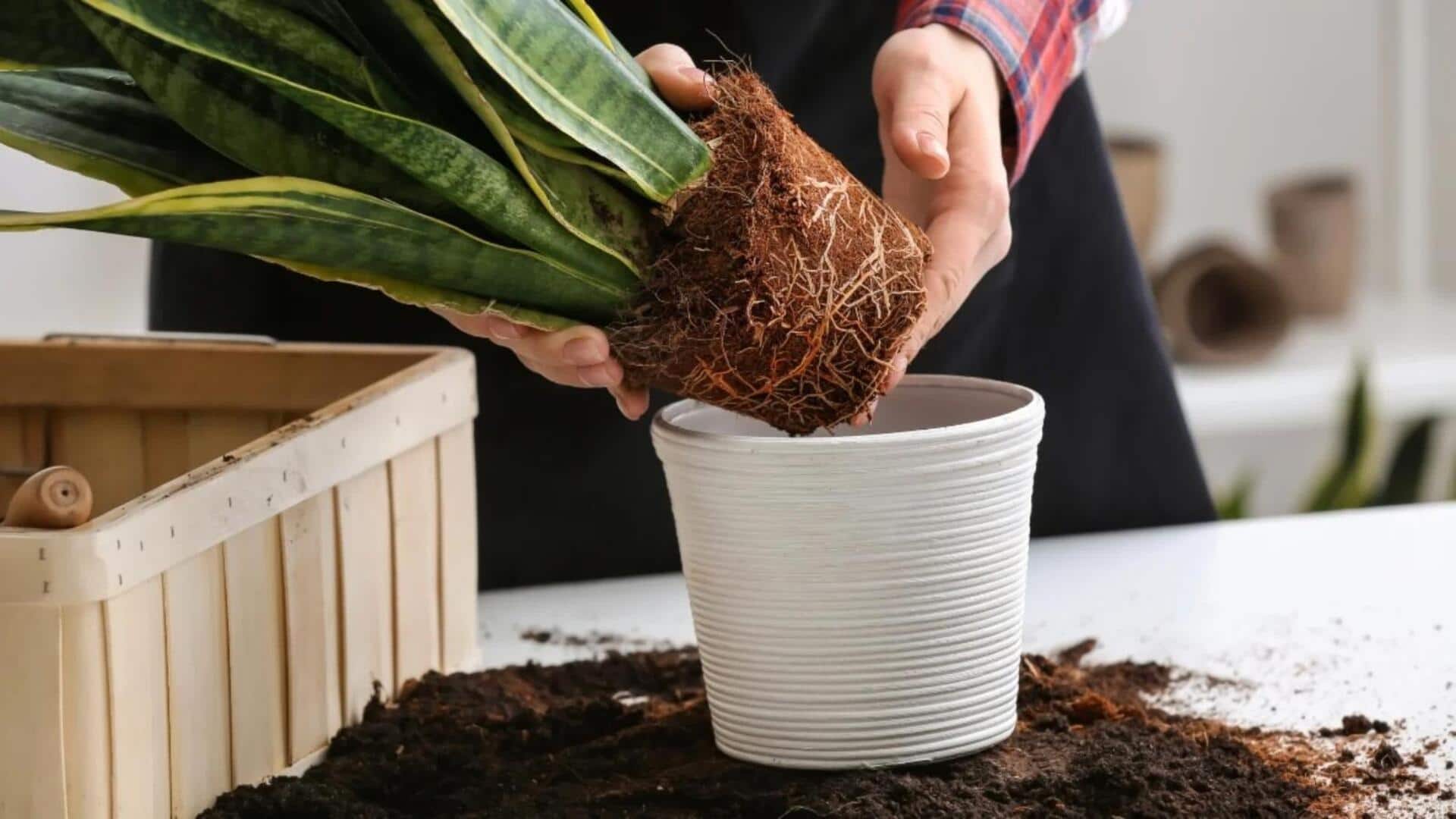
Repotting houseplants is essential for their growth, but many plant owners make common mistakes that can harm their greenery. Recognizing these errors can lead to healthier plants and more successful repotting experiences. Here are several expert tips to help ensure your houseplants thrive after a repotting session.
Choosing the Right Pot Size
Selecting an appropriate pot size is crucial when repotting. A pot that is too large can lead to excess moisture retention, which often results in root rot. Conversely, a container that is too small can restrict the growth of the plant. The ideal approach is to choose a pot that is one size larger than the current one, allowing sufficient room for roots to expand while avoiding overwhelming the plant.
Another key aspect to consider is drainage. Pots without drainage holes trap water at the bottom, causing roots to suffocate and rot. It is vital to ensure that your chosen pot has adequate drainage holes. Additionally, using a well-draining soil mix can help maintain balanced moisture levels, promoting healthy plant growth.
Using the Right Soil Mix
The selection of an appropriate soil mix is fundamental when repotting houseplants. Using garden soil or neglecting to amend the mix with materials such as perlite or peat moss can lead to soil compaction and poor drainage. This negatively impacts root health and overall plant vitality. Always opt for a potting mix that is suitable for your plant’s specific needs and consider adding perlite or peat moss to enhance aeration and drainage.
Overwatering is another frequent mistake made during the repotting process. Many people mistakenly believe that newly potted plants require more water, leading to excessive moisture. This can stress the roots, which are already adjusting to their new environment. A more effective strategy is to water sparingly until new growth indicates that the plant has successfully adapted.
Careful handling of roots during repotting is also critical. Aggressively cutting circling roots can cause damage, leading to poor health and increased vulnerability to infection or shock. Instead, gently tease apart any circling roots. This careful approach helps to maintain the integrity of the plant’s root system, promoting better growth and resilience in its new potting environment.
By following these practical tips, houseplant enthusiasts can avoid common pitfalls and ensure their plants not only survive but thrive in their new containers. With the right pot size, soil mix, and handling techniques, repotting can be a straightforward and rewarding process.

US Conducts Retaliatory Strikes Against ISIS in Syria

Marathon Promotes Drug Awareness During LIFEATHON 2026 Event

Manush Shah and Ryu Hanna Triumph at WTT Feeder Series in Vadodara

Protests Erupt in Minneapolis Following Deadly ICE Shooting

Bekem Infra Secures ₹2,342 Crore Contract for New Elevated Corridor

Bekem Infra Secures ₹2,342 Crore Contract for Elevated Corridor

Jammu and Kashmir Teachers Forum Highlights Urgent Educational Issues

X Acknowledges Mistake, Commits to Compliance with Indian Laws

Kohli Leads India to Victory in Series Opener Against New Zealand

SBI Announces QIP Floor Price at ₹811.05 Per Share

Cept Unveils ₹3.1 Crore Urban Mobility Plan for Sustainable Growth

New Blood Group Discovered in South Indian Woman at Rotary Centre

Torrential Rains Cause Flash Flooding in New York and New Jersey

Konkani Cultural Organisation to Host Pearl Jubilee in Abu Dhabi

Nothing Headphone 1 Review: A Bold Contender in Audio Design

Broad Advocates for Bowling Change Ahead of Final Test Against India

Air India Crash Investigation Highlights Boeing Fuel Switch Concerns

Indian Stock Market Rebounds: Sensex and Nifty Rise After Four-Day Decline
-
 World6 months ago
SBI Announces QIP Floor Price at ₹811.05 Per Share
-
 Lifestyle6 months ago
Cept Unveils ₹3.1 Crore Urban Mobility Plan for Sustainable Growth
-
 Science6 months ago
New Blood Group Discovered in South Indian Woman at Rotary Centre
-
 World6 months ago
Torrential Rains Cause Flash Flooding in New York and New Jersey
-
 Top Stories6 months ago
Konkani Cultural Organisation to Host Pearl Jubilee in Abu Dhabi
-
 Science6 months ago
Nothing Headphone 1 Review: A Bold Contender in Audio Design
-
 Sports6 months ago
Broad Advocates for Bowling Change Ahead of Final Test Against India
-
 Top Stories6 months ago
Air India Crash Investigation Highlights Boeing Fuel Switch Concerns
-
 Business6 months ago
Indian Stock Market Rebounds: Sensex and Nifty Rise After Four-Day Decline
-

 Sports6 months ago
Cristian Totti Retires at 19: Pressure of Fame Takes Toll
-

 Politics6 months ago
Abandoned Doberman Finds New Home After Journey to Prague
-

 Top Stories6 months ago
Patna Bank Manager Abhishek Varun Found Dead in Well