
Health
Lancet Editor Warns of Imminent Pandemic Threats

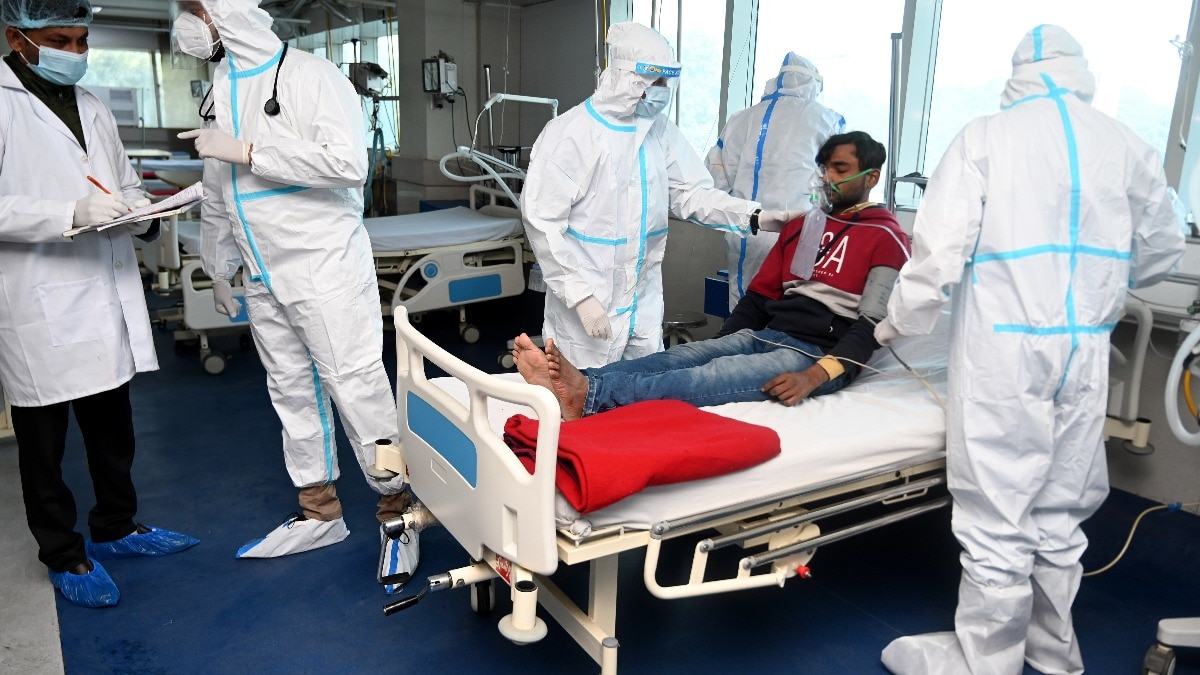
A stark warning from Dr Richard Horton, the editor-in-chief of The Lancet, has raised alarms regarding global preparedness for future pandemics. Horton stated that another pandemic is “almost inevitable” due to ongoing human-driven environmental destruction, which is increasingly bringing humans and animals into closer contact. This perspective follows a report from The Lancet last year that estimated a 48 percent chance of a catastrophic pandemic resulting in over 25 million deaths in the coming years.
Horton addressed these concerns in an interview with India Today, highlighting that humanity’s actions are creating conditions ripe for another pandemic within the next two decades. He pointed to significant factors such as deforestation, urban expansion, and climate change, which are pushing humans closer to pathogens that previously circulated safely among animals. As ecosystems deteriorate, animal habitats shrink, leading to increased interactions between wildlife and human populations.
The emergence of zoonotic viruses—pathogens that originate in animals—is a rising concern. Scientists globally are noting a trend where these viruses are increasingly transferring to humans and other mammals. Many of these pathogens are evolving at an accelerated pace, adapting to new hosts in the face of ecological stress. Issues such as climate change and biodiversity loss are no longer abstract concerns; they are direct threats that could lead to future pandemics.
Horton specifically pointed to unsafe meat markets and abattoirs as major contributors to viral transmission. He described conditions in many slaughterhouses as unsanitary, often located near open retail markets. Animals are killed in crowded environments, meat is exposed to contamination, and flies are prevalent. Horton warned that such environments are conducive to the mutation of viruses from animals to humans. “These are exactly the conditions where a mutated virus can move from animal to human,” he stated.
The potential consequences of a respiratory virus capable of spreading easily could be catastrophic. Horton remarked that if such a pathogen were to emerge, it could lead to “species-ending trouble.” The origins of the COVID-19 virus, SARS-CoV-2, remain contentious, with some unproven claims suggesting it may have originated in a market similar to those described by Horton in Wuhan, China. While the exact origins of COVID-19 are still debated, the pandemic has starkly illustrated how quickly a novel virus can spread globally. Since December 2019, the World Health Organisation (WHO) has documented nearly 780 million COVID-19 cases and over 7.1 million deaths, although many believe the actual figures are significantly higher.
Horton also expressed skepticism regarding India’s official COVID-19 death toll. Initially, the Indian government reported approximately five lakh deaths to the WHO. However, independent analyses suggest a drastically different scenario. In 2022, the WHO estimated India’s excess COVID-19-related deaths at around 47 lakh. A study by Washington University estimated around 41 lakh excess deaths during 2020 and 2021, while a report from The Lancet placed the figure near 40 lakh. Data released from India’s Civil Registration System (CRS) indicated 21 lakh excess deaths in 2021 alone, a year marked by the severe Delta variant wave.
Horton characterized the official figure of five lakh deaths as “fantastical” and “primarily not true.” He emphasized that acknowledging past mistakes is not about assigning blame, but rather about learning from them. “Every single country failed during the pandemic,” he noted, citing the UK’s own missteps, such as delayed lockdowns and inadequate protection for frontline workers.
He underscored the need for countries, including India, to conduct thorough investigations into their pandemic responses. Without a transparent inquiry into the failures and an accurate accounting of mortality, essential lessons cannot be learned. Horton warned, “If you can’t even admit the level of mortality and failure, you can’t begin to prepare.”
The urgency of the situation cannot be overstated. SARS-CoV-2 has not vanished; it continues to mutate and circulate. Horton cautioned that the next pandemic could arise from a different viral family altogether. “It could be SARS, or it could be something else,” he said. The critical factors that fuel these threats—ecological destruction, unsafe food systems, and denial of past failures—remain unchanged. Without addressing these issues, the world risks being unprepared when the next health crisis strikes.

Albert Camus’ Insightful Quote on Human Identity Resurfaces

Drone Strikes and Missile Attacks Disrupt UAE Amid Rising Tensions

Japanese Yen Rises Sharply Against US Dollar Ahead of Key Decisions

Priyanka Chopra and Nick Jonas Avoid Near Miss en Route to Oscars

Gujarat Vaccinates Over 11 Lakh Infants in Major Health Drive

Alexandre Singh Wins Oscar, Celebrates Immigrant Heritage

Lok Sabha Speaker Issues Warning Over Placards in Parliament

Global Electrosurgical Devices Market Expands to $10.2 Billion by 2034

North Zone Dominates Cricket; SJAM-1 Shines in Table Tennis

SBI Announces QIP Floor Price at ₹811.05 Per Share

Cept Unveils ₹3.1 Crore Urban Mobility Plan for Sustainable Growth

New Blood Group Discovered in South Indian Woman at Rotary Centre

Konkani Cultural Organisation to Host Pearl Jubilee in Abu Dhabi

Torrential Rains Cause Flash Flooding in New York and New Jersey

Nothing Headphone 1 Review: A Bold Contender in Audio Design

Indian Stock Market Rebounds: Sensex and Nifty Rise After Four-Day Decline

Air India Crash Investigation Highlights Boeing Fuel Switch Concerns

Broad Advocates for Bowling Change Ahead of Final Test Against India
-
 World12 months ago
SBI Announces QIP Floor Price at ₹811.05 Per Share
-
 Lifestyle12 months ago
Cept Unveils ₹3.1 Crore Urban Mobility Plan for Sustainable Growth
-
 Science12 months ago
New Blood Group Discovered in South Indian Woman at Rotary Centre
-
 Top Stories12 months ago
Konkani Cultural Organisation to Host Pearl Jubilee in Abu Dhabi
-
 World12 months ago
Torrential Rains Cause Flash Flooding in New York and New Jersey
-
 Science12 months ago
Nothing Headphone 1 Review: A Bold Contender in Audio Design
-
 Business12 months ago
Indian Stock Market Rebounds: Sensex and Nifty Rise After Four-Day Decline
-
 Top Stories12 months ago
Air India Crash Investigation Highlights Boeing Fuel Switch Concerns
-
 Sports12 months ago
Broad Advocates for Bowling Change Ahead of Final Test Against India
-

 Sports12 months ago
Cristian Totti Retires at 19: Pressure of Fame Takes Toll
-

 Politics12 months ago
Abandoned Doberman Finds New Home After Journey to Prague
-

 Lifestyle12 months ago
Villagers Unite to Raise ₹45 Lakh for Water Solutions in Vadgam